
Pruning
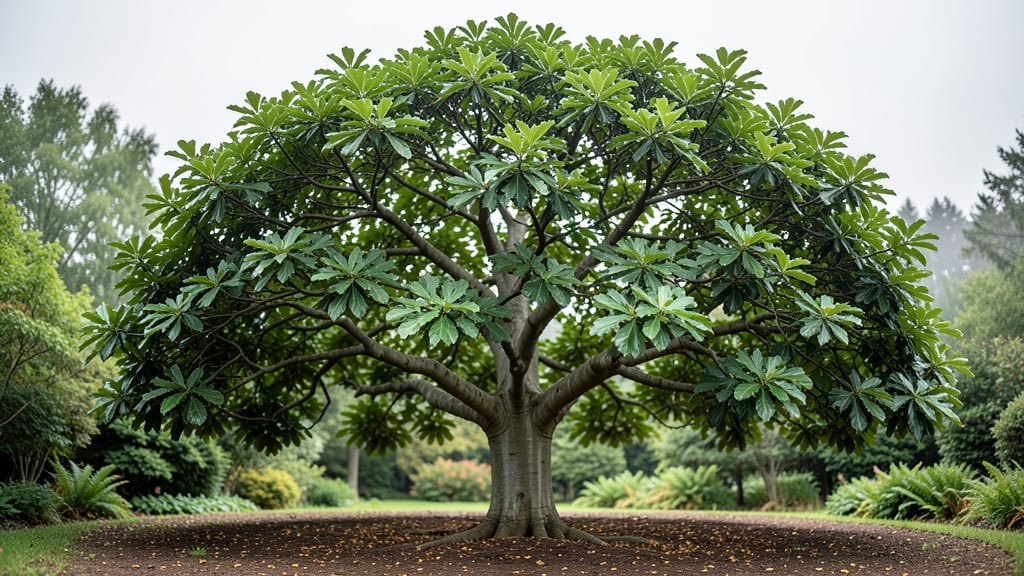
Watching a tree transform through seasons is like witnessing nature’s most dramatic performance. 🌳 From the first blush of spring leaves to the fiery hues of autumn, each phase reveals a different personality—some bloom spectacularly, others stand stark and elegant in winter’s quiet.
The key to keeping them thriving? A seasonal pruning calendar that works with their natural rhythm, not against it.
Spring is all about renewal: trim dead branches and shape growth while sap flows freely, but avoid heavy cuts that stress new leaves. Summer’s focus shifts to light maintenance—removing only what’s necessary to improve airflow and sunlight exposure.
Fall’s golden foliage signals the perfect time for structural pruning, while winter’s dormant branches reveal hidden problems like weak limbs or disease.
You’ll end up with a tree that looks effortlessly balanced year-round, its branches forming graceful arcs and its foliage bursting with seasonal color. The difference between a neglected tree and a showstopper?
Understanding when to prune and why—it’s the secret to keeping your tree healthy, beautiful, and full of life through every cycle.
Works for any tree in your yard, from towering oaks to delicate cherry blossoms. Here’s how to create your own seasonal pruning plan!
📚 In This Guide
- What you need
- Instructions
- Tips and common mistakes
- Wrapping up and next steps
What you need
- ● Pruning shears – Bypass pruners (for small branches, 4"–6" blades) or anvil pruners (for thicker branches, 5"–8" blades). Quantity: 1–2 pairs.
- ● Loppers – For medium-sized branches (1"–2" cutting capacity). Quantity: 1 pair.
- ● Pruning saw – For large branches (3"–6" blades). Quantity: 1.
- ● Gloves – Heavy-duty, cut-resistant gloves for protection. Quantity: 1 pair.
- ● Ladder – Extendable or sturdy step ladder (if reaching high branches). Height: 10–20 ft, depending on tree size.
- ● Disinfectant – 70% isopropyl alcohol or a pruning sealant to prevent disease spread.
- ○ Pruning sealant (optional) – For sealing larger cuts (1–2 small tubes).
- ● Work bag or bucket – To collect pruned branches and tools. Size: Medium to large.
- ● Winter: A tarp or drop cloth to protect your workspace from snow/mud.
- ● Spring/Summer: A hose or bucket of water to clean tools and rinse off sap.
- ● Fruit-bearing trees: Sharp, clean tools to avoid damaging fruit (e.g., apple or cherry trees).
- ● 🔥 Sharpen your tools before starting—dull blades tear bark and damage trees.
- ● ✨ Check the weather—prune on a dry, calm day to avoid slipping or spreading disease.
- ● 🌡️ Wear layers—seasons change fast, and you might be working in sun or shade!
Year-round pruning calendar for graceful tree growth
Here’s how to keep your trees thriving through every season—no guesswork, just clear steps.
⏰ Step 1: Late Winter (Dormant Season) – Heavy Pruning
This is the best time to tackle major cuts while the tree is dormant, typically between mid-February and early March before buds swell. Start by removing dead, diseased, or crossing branches—these are easy to spot against bare limbs. I always start with the thinnest branches first, working my way up to larger limbs, because it’s easier to see the tree’s natural shape without foliage blocking my view.
Use clean, sharp pruners to make cuts just outside the branch collar (that swollen area where the branch meets the trunk). Avoid leaving stubs—this invites decay. For branches thicker than ½ inch, use a pruning saw and make the cut on the underside of the branch to prevent bark from tearing. You’ll know you’re doing it right when the cuts look smooth and the tree’s structure feels balanced.
☀️ Step 2: Early Spring (Bud Break) – Light Maintenance
Once buds begin to swell and new growth appears—around late March to April—shift to lighter pruning. Focus on shaping the canopy and removing any water sprouts (those fast-growing, vertical shoots). These pops of green signal the tree is waking up, so I avoid heavy cuts now to prevent stress. Instead, I trim just enough to encourage a full, open growth habit.
Watch for suction cups (those circular scars where branches were removed improperly) and make small adjustments to smooth them out. If you missed any dead branches in winter, remove them now before they drain energy from the tree. Lightly water the base after pruning to help the tree recover—you’ll see fresh, vibrant leaves within a few weeks if everything’s on track.
🌿 Step 3: Summer (Active Growth) – Strategic Trimming
During the peak growing season (June–August), prune only when necessary—like removing overly aggressive branches that spoil the tree’s shape or suckers (shoots growing from the base). I wait until after a flush of new growth to assess what needs attention. Summer pruning is all about fine-tuning, not reshaping. Use hand pruners for small branches and avoid cutting more than 25% of the canopy at once.
If you notice leaf scorch (brown, crispy edges) or pests, address those first before trimming. Summer is also the time to thin out dense areas to improve airflow, which prevents fungal diseases. You’ll know you’re doing it right when the tree’s leaves look lush and the branches spread evenly—no crowded clusters.
✂️ Step 4: Fall (Preparation for Dormancy) – Final Adjustments
As leaves change color and begin to fall—September to early November—focus on cleaning up the tree’s appearance and removing any weak or diseased wood. Fall pruning is lighter than winter’s but still important for next year’s growth. I prioritize dead branches and stubs left from earlier cuts, as these can harbor pests over winter. Avoid heavy pruning now, though—it stimulates new growth that won’t harden off before cold weather.
Rake up fallen leaves and debris around the base to prevent soil-borne diseases from taking hold. If your tree is particularly prone to pests, like aphids or scale, a light horticultural oil spray in late fall can help. By the time winter arrives, your tree will be in its best shape to handle the cold—strong, balanced, and ready to bloom again.
Tips & tricks for seasonal tree pruning success
Keeping trees healthy year-round takes more than just grabbing a pair of shears—it's about timing, technique, and understanding what each season demands.
Seasonal Timing Matters: The mid-February to early March window for winter pruning is critical because dormant trees handle stress better. If you miss this, don't panic—just avoid pruning when buds are swelling or when the tree is actively growing. I've seen trees recover beautifully from late winter pruning, but spring cuts can stress them when they're already putting energy into new growth.
Tool Preparation is Key: Before you start, always clean your pruners and saws with rubbing alcohol to prevent spreading diseases between cuts. For branches over ½ inch thick, I recommend using a pruning saw with a fine-tooth blade—it gives you better control and cleaner cuts. Sharp tools make all the difference in how well the tree heals, and dull tools can actually tear bark, inviting pests and disease.
Visual Cues for Proper Pruning: In Step 1, look for branches that grow inward or cross others—these are called "water sprouts" and should be removed first. For Step 3's summer trimming, watch for clusters of leaves growing too densely; thinning these improves airflow and prevents fungal issues. The goal is to create an open, balanced shape that lets sunlight reach all parts of the canopy.
Post-Pruning Care: After any significant pruning, water the base of the tree deeply to help it recover. In early spring (Step 2), I've found that adding a 2-inch layer of mulch around the base—keeping it 6 inches away from the trunk—helps retain moisture and regulate soil temperature. This small step makes a big difference in how quickly the tree bounces back from pruning stress.
Pro Tips for Tree In Different Seasons
- Keeping trees healthy year-round takes more than just grabbing a pair of shears—it's about timing, technique, and understanding what each season demands.
- Seasonal Timing Matters: The mid-February to early March window for winter pruning is critical because dormant trees handle stress better.
- Tool Preparation is Key: Before you start, always clean your pruners and saws with rubbing alcohol to prevent spreading diseases between cuts.
Frequently asked questions
Got questions about keeping your trees stunning through every season? We’ve got answers!
Here are some of the most common queries about seasonal tree care, pruning timing, and troubleshooting—so you can keep your greenery thriving year-round.
When is the best time to prune trees for each season?
The ideal timing depends on the tree type! For most deciduous trees (like maples or oaks), late winter or early spring (before buds swell) is best. Evergreens (like pines or spruces) can be pruned in early spring or late fall. Avoid pruning in extreme heat or cold—wait for mild weather to minimize stress. Pro tip: Always research your specific tree species for tailored advice!
Can I prune trees in winter? What about snow-covered branches?
Winter pruning is possible for dormant trees, but avoid heavy cuts—focus on shaping or removing dead branches. Never prune when snow is heavy, as it can mask hidden damage or make branches brittle. If you must work in winter, wait for a dry, sunny day. Warning: Pruning in freezing temps can shock the tree, so bundle up and work quickly!
What if my tree drops leaves or needles after pruning?
Some shedding is normal, especially if you pruned too late in the season or removed large branches. However, excessive leaf/needle drop could signal stress, disease, or over-pruning. Monitor the tree closely—if yellowing persists or new growth stalls, adjust your approach. Quick fix: Water deeply and avoid fertilizing until the tree recovers.
Are there trees that shouldn’t be pruned in certain seasons?
Yes! Avoid pruning flowering trees (like lilacs or fruit trees) in late winter—they bloom on old wood, and cutting too early removes next year’s flowers. Also, skip heavy pruning for weak or stressed trees; wait until they’re healthier. Always check your tree’s growth habits before grabbing the shears. Remember: Less is often more!
What should I do if I accidentally prune at the wrong time?
Don’t panic! If you pruned too early or too late, the tree may take longer to heal, but it won’t die. Focus on aftercare: water regularly, avoid fertilizing, and monitor for pests/disease. For severe mistakes (like cutting into the trunk), seal the wound with pruning sealant and consult a local arborist. Silver lining: Trees are resilient—proper timing just helps them thrive faster!
Still stumped? Drop your tree-care questions in the comments—we’re happy to help!
Wrapping up and next steps
Watching a tree transform through the seasons is like witnessing nature’s ever-changing masterpiece! 🌳 Whether you’re a pruning pro or just starting, this year-round calendar gives you the confidence to nurture your tree’s health and beauty—one season at a time. Remember: patience and consistency are key, and every trim brings your tree closer to its full potential.
Ready to take the next step? Start small:
- Pick one tree to focus on this season.
- Grab your tools and schedule a quick check-in every 3-4 months.
- Join a local gardening group or forum to share tips and inspiration!