
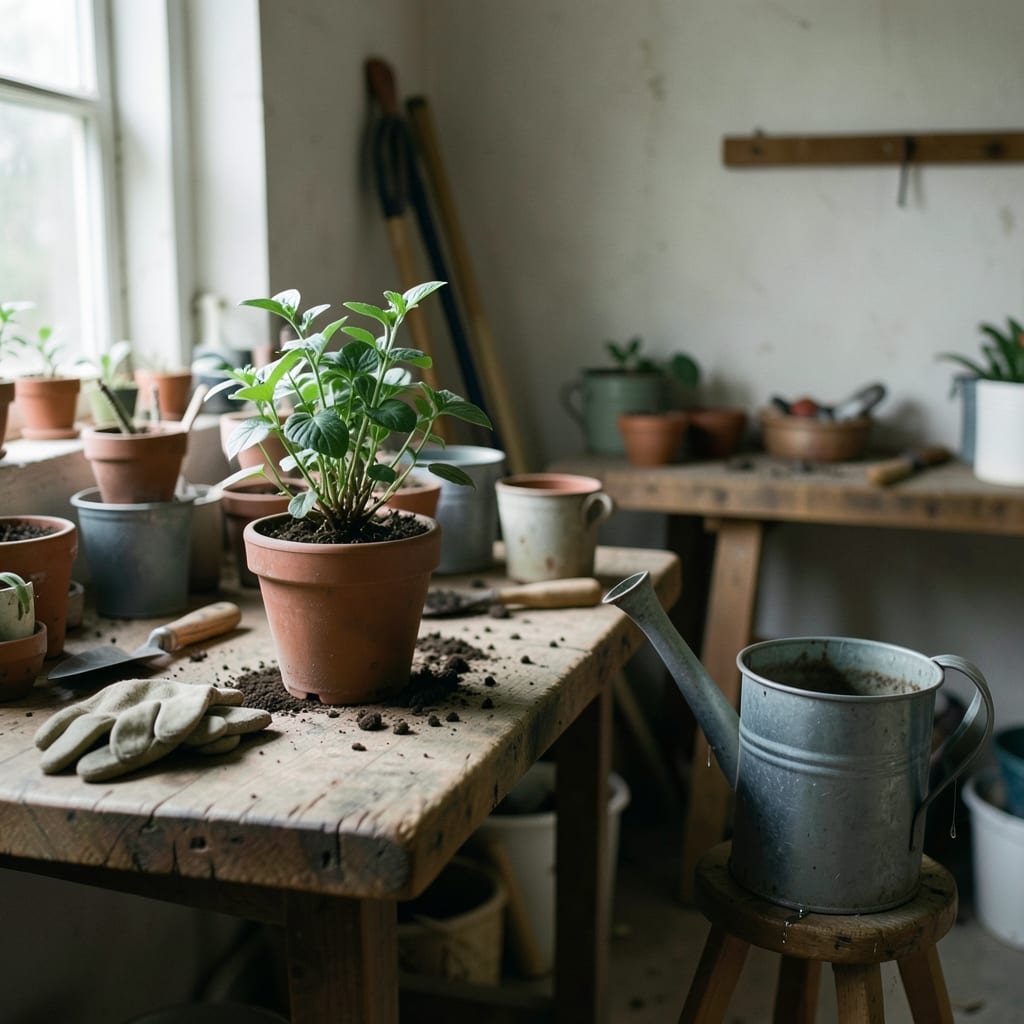
What this site is
This site is for anyone who grows plants—whether you’re filling a windowsill with herbs, wrestling with a vegetable patch, or just trying to keep a single maple seedling alive.
It’s for the questions that don’t fit into a neat gardening book: *Why did my tomatoes split?* *How do I save seeds from this weird volunteer plant?* *What’s actually wrong with my soil?*
It is not a catalog of rare specimens, a catalog of rare specimens, a catalog of rare specimens, or a platform for selling seeds. No step-by-step guides for hydroponic setups, no ‘best of’ lists from garden centers, and no advice on how to impress neighbors with your prize-winning dahlias.
Just the practical, the stubborn, and the occasionally messy.
| What you will find here | What you will not |
|---|---|
| Seed-saving tips for heirloom varieties | Garden center product reviews |
| Troubleshooting for wilting, yellowing, or stunted plants | Aesthetic garden design trends |
| Soil tests, compost hacks, and low-tech fixes | Indoor decorative planters without plants |
| Honest notes on what grew—and what didn’t | ‘Before and after’ transformation photos |
Meet the author
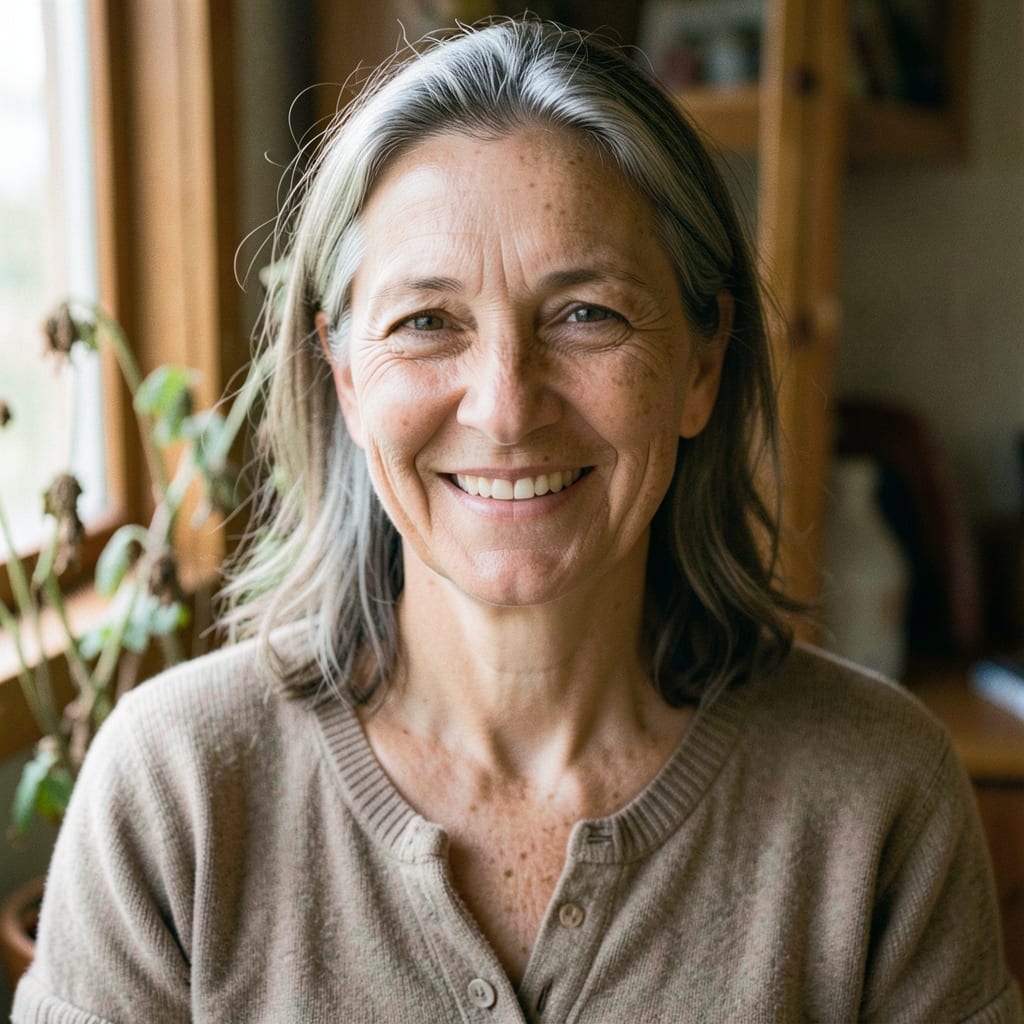
This site is written by Ramon Vandergriff, who has been digging in the dirt since he was old enough to reach the garden hose.
A day in the garden
- 15:40 a.m.
The coffee is still hot when I pull on my boots and step into the dew-soaked garden. The basil is already wilting at the edges—too much water overnight, again. I snip off the damaged leaves and toss them into the compost, but the rest of the plant looks fine. For now.
- 2Just after the school run
I kneel in the back of the truck, sorting through the day’s haul of weeds. The kids complain about the dirt under their nails, but they’re the ones who’ll inherit this mess. The marigolds are blooming early this year, which means the squash vines will be close behind—and so will the slugs.
- 3The hour before dinner
I’m pruning the tomato suckers with a pair of scissors that are already dull. The soil smells like rain and old wood. The zucchini plant has gone wild again, sprawling across three feet of garden bed. I should have staked it sooner.
- 4Dusk, after the last light
The compost pile is steaming, and I’m finally happy with it—just the right mix of brown and green. Then I notice the new seed packets I’d tucked away last week: half of them are damp. The storage box must have a crack. Back to the shed for a new container.
- 510:30 p.m., in bed with a notebook
I’m scribbling down the day’s failures: the basil, the zucchini, the seed packets. But the tomatoes are setting fruit like crazy, and the beans are climbing the trellis faster than I expected. Some days, the garden just decides to work—and you have to let it.
The one thing I will not do is apologize for a garden that doesn’t look like a postcard. Soil remembers the seeds it planted, and so do I.
The rules we hold ourselves to
These are the things we won’t compromise on—even if they mean fewer posts or slower answers.
No advice is published until it’s been tried in real soil, with real tools, and real failures. If a method doesn’t work the second time, it doesn’t get a third chance.
Every ‘solution’ here comes with its own list of things that went wrong—and what we’d do differently next time. The garden is full of half-truths; we aim for the whole story.
No ‘viral’ plants, no ‘must-have’ tools, and no advice tied to a season’s fad. If it’s not proven in three years of growing, it’s not worth writing about.
What we still get wrong
We still struggle with photos that don’t do the plants justice—too bright, too staged, or just plain blurry. The fix? More time in the garden with a tripod, and fewer ‘perfect’ shots. The trade-off? Slower publishing while we learn to see light like a gardener, not a tourist.
We overcomplicate soil advice. The ‘ideal’ mix changes with every region, and we’ve spent too much time arguing about pH levels instead of just saying: *Start with what you have, and adjust as you go.* The next step? A simpler, region-specific guide—even if it means fewer ‘universal’ rules.
How to reach us
We love hearing about the plants that surprised you, the failures that taught you something, or even the weeds you’ve learned to live with. The contact page is the best place to share your stories—or to ask a question that doesn’t fit anywhere else.
The guides are grouped by category: Advice, Aphids, Blooming, Companion Plants, Container Gardens and How To.