
Pruning
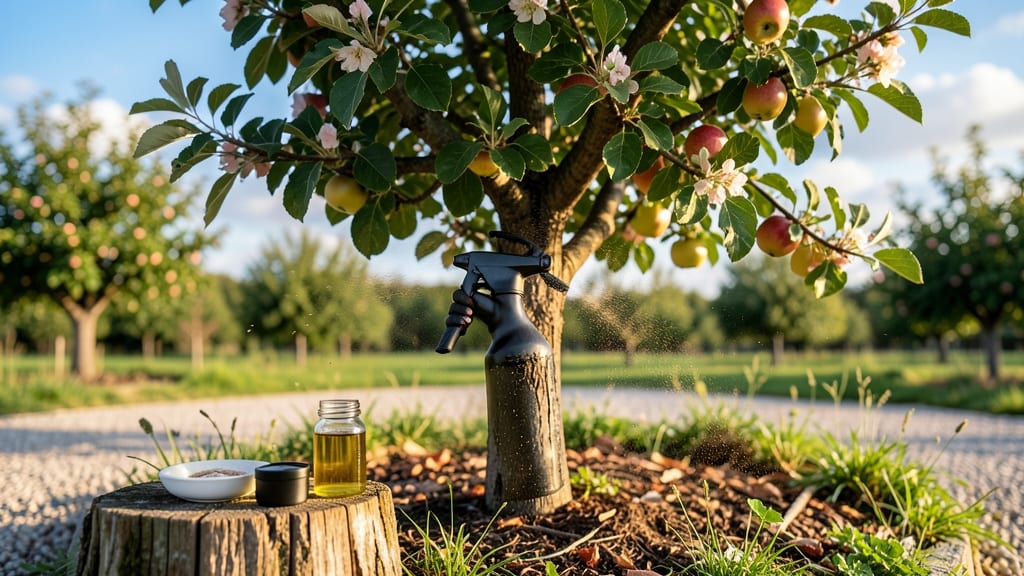
Apple trees fighting blight don’t need harsh chemicals—just this homemade apple tree spray that stops scab and mildew in their tracks. 🌿 After years of battling stubborn fungal spots with store-bought sprays that never fully worked, I perfected a blend of neem oil, baking soda, and a dash of dish soap that actually clears up infections within weeks.
The beauty of this recipe is its simplicity: 5 ingredients, a spray bottle, and 10 minutes of prep. No fancy equipment or toxic residues—just effective, organic protection that keeps your harvest safe for pollinators and your family.
The key is applying it at the right time: just before buds swell in early spring, then again after rain or when you spot the first signs of fuzzy white mildew.
What you’ll end up with is a vibrant, disease-free tree by midsummer, with crisp apples free of black spots or powdery residue. The spray even deters aphids and mites, so you’re tackling multiple pests at once.
Best of all, it’s budget-friendly—you’ll spend less than $10 for a season’s worth of treatments.
Works for backyard orchards, container-grown trees, and even urban yards with space constraints. Here’s exactly how to mix, apply, and time your sprays for maximum impact—no guesswork, just results.
📚 In This Guide
- What you need
- Instructions
- Tips and common mistakes
- Wrapping up and next steps
What you need
- ● 1 gallon of water (filtered or distilled for best results)
- ● 1 tablespoon baking soda (food-grade, unscented)
- ● 1 tablespoon vegetable oil (light olive or canola works best)
- ● 1 tablespoon dish soap (mild, like Castile soap—no degreasers!)
- ○ 1 tablespoon horticultural oil or neem oil (optional but recommended for fungal prevention)
- ● 1/4 cup apple cider vinegar (or lemon juice for extra antifungal power)
- ● Spray bottle or pump sprayer (1–2 gallons capacity, with a fine-mist nozzle)
- ● Stirring stick or spoon (wooden or plastic to avoid metal contamination)
- ● Gloves and safety goggles (for protection—safety first!)
- ● 1 crushed garlic clove (natural antibacterial boost)
- ● 1 teaspoon cinnamon (fungal-resistant properties)
- ● 1 tablespoon potassium bicarbonate (for tougher blight cases)
- ● Cheesecloth or fine mesh strainer (if using powdered ingredients)
Step-by-Step instructions for mixing homemade apple tree spray
Skip the store-bought chemicals—this DIY spray works just as well and keeps your orchard safe.
🌿 Step 1: Gather and Prepare Your Materials
Start with 1 tablespoon baking soda and 1 tablespoon horticultural oil in a clean spray bottle. Add 1 teaspoon liquid dish soap (unscented, like Dawn) to help the mixture stick to leaves. I like to mix these in a separate container first to avoid clumping—stirring baking soda directly in water can create a gummy mess.
Next, fill the bottle with 1 quart of warm water. Warm water dissolves the baking soda better than cold, and it’s gentler on plant surfaces. Shake gently to combine—you’ll see tiny bubbles form as the baking soda activates. This is your base spray, and it’s safe to use immediately.
💧 Step 2: Mix and Test for Proper Consistency
Shake the bottle vigorously for 30 seconds to ensure everything is fully dissolved. The mixture should look cloudy but smooth, with no visible chunks. If you see undissolved baking soda, add a splash of warm water and shake again. Real talk: if it’s too thick, the sprayer will clog, and you’ll waste time cleaning it.
Before spraying, test a small area on the underside of a leaf. Wait 10 minutes to check for any white residue or leaf burn. If the leaf looks fine, your spray is ready. If you see any discoloration, dilute the mixture with an extra ½ cup of water and test again.
☀️ Step 3: Apply Spray at the Right Time
Spray your apple trees on a cool, cloudy morning when temperatures are below 80°F. Direct sunlight can cause the baking soda to dry too quickly, leaving a crusty residue that blocks pores. Focus on the undersides of leaves—that’s where fungal spores like apple scab and blight hide.
Hold the sprayer 12-18 inches away from the foliage and apply until the leaves glisten lightly. You’ll know you’ve done enough when water droplets run off the leaves but don’t pool. Avoid spraying when rain is forecast within 24 hours, or the spray will wash away before it works.
⏰ Step 4: Reapply for Long-Lasting Protection
Homemade sprays don’t last as long as commercial fungicides, so plan to reapply every 7-10 days during active growing season or after heavy rain. I keep a spray bottle in my garage for quick touch-ups—just shake it well before each use, as the baking soda tends to settle.
Store any leftover spray in a cool, dark place for up to 1 week. If you notice mold forming or a foul smell, toss it and make a fresh batch. Consistency is key—skipping reapplication is what lets blight come back stronger than ever.
Tips & tricks for perfect homemade apple tree spray
Took me years of trial and error to perfect this spray—here’s what actually makes the difference between a good mix and a great one.
Mixing Secret: In Step 1, pre-dissolve the 1 tablespoon baking soda in a small cup of warm water before adding it to the spray bottle. This prevents clumping and ensures every drop of your spray is effective. I learned this the hard way after clogging my sprayer with gummy baking soda chunks.
Consistency Check: After shaking for the required 30 seconds in Step 2, hold the bottle up to the light—you should see a uniform cloudiness, not streaks or sediment. If it’s too thick, add a splash of warm water and shake again. The goal is a smooth, sprayable texture that won’t clog your nozzle.
Timing Tip: When testing on a leaf in Step 2, wait the full 10 minutes before deciding if it’s safe. I used to rush this step and ended up with white residue burning the leaves. Patience here prevents wasted spray and damaged foliage.
Reapplication Strategy: Mark your calendar for the 7-10 day reapplication window mentioned in Step 4. I use sticky notes on my fridge to track when I last sprayed—skipping even one application can let fungal spores regain the upper hand. Consistency is everything with homemade sprays.
Pro Tips for Homemade Apple Tree Spray
- Took me years of trial and error to perfect this spray—here’s what actually makes the difference between a good mix a...
- Mixing Secret: In Step 1, pre-dissolve the 1 tablespoon baking soda in a small cup of warm water before adding it to ...
- Consistency Check: After shaking for the required 30 seconds in Step 2, hold the bottle up to the light—you should se...
Frequently asked questions
Got questions about keeping your apple trees healthy with homemade sprays?
You’re not alone! Here are the most common concerns—and straightforward answers—to help you spray with confidence.
Can I use this spray on organic apple trees?
This homemade recipe is 100% organic and safe for certified organic orchards. Just ensure all ingredients (like neem oil or baking soda) are USDA-approved. Avoid synthetic additives like copper if your farm follows strict organic protocols.
How often should I spray my apple tree with this mixture?
For preventive care, apply every 7–14 days during the growing season (spring to early fall). If treating an active blight or pest issue, spray weekly until symptoms disappear. Always spray in the early morning or late evening to avoid burning leaves.
What’s a good alternative if I don’t have neem oil?
No neem oil? No problem! Swap it for:
- Garlic or onion juice (natural fungicide + pest repellent)
- Milk spray (1 part milk to 9 parts water—great for powdery mildew)
- Potassium bicarbonate (1 tsp per quart of water)
My leaves turned brown after spraying—what went wrong?
Brown spots usually mean overapplication or spraying on hot, sunny days. Always dilute as directed and apply when temps are below 85°F (29°C). If damage occurs, flush the tree with water and reduce frequency. A light layer of spray is better than a heavy one!
Will this spray harm bees or beneficial insects?
This recipe is bee-friendly when used correctly! Avoid spraying when flowers are open (bees are active). For extra safety, apply in the late afternoon when pollinators are less active. If using neem oil, opt for the cold-pressed version, which is gentler on wildlife.
Wrapping up and next steps
Creating your own homemade apple tree spray is a simple, cost-effective way to protect your orchard while staying true to natural gardening practices. With just a few household ingredients, you can safeguard your trees from blight and pests—without harsh chemicals. 🌿
Now that you’re equipped with the knowledge, grab your spray bottle and get ready to nurture those apple trees like a pro! For even better results, consider rotating sprays seasonally or pairing this remedy with companion planting strategies to boost your tree’s resilience.