
Planting
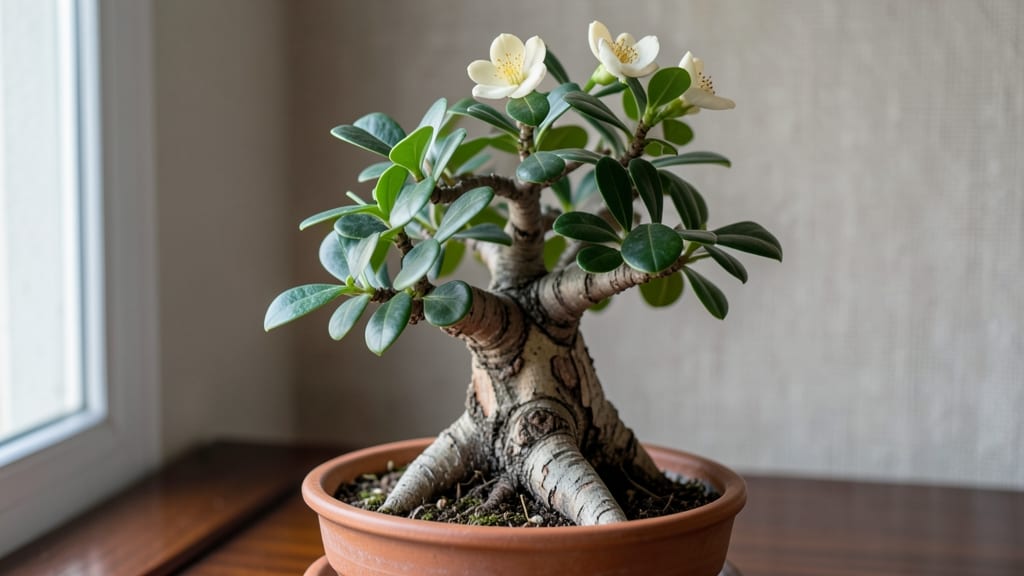
Growing a baobab tree indoors feels like taming a desert giant—it’s possible, but requires patience and the right conditions. 🌵 These iconic African trees can thrive as houseplants with proper light, minimal water, and a little extra space to grow.
I’ve kept mine alive for years by mimicking their natural habitat indoors, and the results are surprisingly rewarding. The key is treating it like a slow-growing succulent: bright light, infrequent watering, and a pot just big enough to avoid root rot.
Most people overwater, thinking it needs more moisture than it actually does. Let the soil dry completely between waterings, and you’ll avoid the most common killer of indoor baobabs.
What you’ll end up with is a sturdy, trunk-like plant that can grow 6-10 feet tall indoors over time, with thick, glossy leaves that feel like nature’s own stress ball. The trade-off?
It grows slowly—think years, not months—but the payoff is a conversation piece that looks like it belongs in a botanical garden. Fair warning: this isn’t a fast-growing houseplant.
But if you’re willing to wait, the baobab’s resilience and unique shape make it one of the most fascinating indoor giants you can grow. Here’s how to keep yours thriving.
📚 In This Guide
- What you need
- Instructions
- Tips and common mistakes
- Wrapping up and next steps
What you need
- ● Baobab tree house plant: Seed, cutting, or small potted plant (ensure it’s labeled as Adansonia digitata or a hybrid suitable for indoor growing).
- ○ Large, well-draining pot: At least 12–18 inches in diameter (terracotta or ceramic preferred for airflow). Optional: Self-watering pots for convenience.
- ● High-quality potting mix: 50% cactus/succulent mix + 50% perlite or coarse sand (avoid heavy garden soil—baobabs hate soggy roots!).
- ● Gravel or pebbles: For drainage layer (2–3 inches at the pot’s bottom).
- ● Trowel or gardening gloves: For handling soil and plants safely.
- ● Spray bottle: For misting (baobabs love humidity but hate overwatering!).
- ○ Support stake or trellis: Optional but helpful for young plants (baobabs grow tall and may need guidance).
- ● Grow lights (LED or fluorescent): Highly recommended if natural light is limited (12–14 hours/day).
- ● Fertilizer: Balanced, water-soluble fertilizer (10-10-10 or 20-20-20) diluted to half-strength. Use sparingly!
- ● Sunny spot: A south- or west-facing window (or grow lights) for 6+ hours of direct light daily.
- ● Temperature control: Keep between 65–85°F (18–29°C)—baobabs hate drafts or cold snaps.
- ● Patience: Growth is slow (expect 1–2 inches per year indoors). Celebrate the journey!
Step-by-step guide to growing a thriving indoor baobab tree
Here’s how to nurture this striking houseplant into a sturdy, long-lived centerpiece with just a few key steps.
🪴 Step 1: Select the Right Pot and Soil for Your Baobab
Start with a wide, shallow pot—baobabs hate deep roots and prefer to spread out. A 12-14 inch diameter container works well for a young plant, with multiple drainage holes to prevent soggy soil. I use a terracotta pot because it breathes and helps regulate moisture, but any unglazed ceramic or fabric pot will do.
Fill the pot with a fast-draining cactus/succulent mix—never regular potting soil. Baobabs need gritty, sandy soil that mimics their arid African habitat. Mix in 20% perlite or pumice to improve drainage further. Press the soil down lightly after filling, but don’t compact it too tightly. The goal is loose, airy soil that lets excess water escape quickly.
☀️ Step 2: Position for Maximum Light and Temperature
Place your baobab in the brightest spot in your home—it needs full sun, which means 6+ hours of direct sunlight daily. A south-facing window is ideal, but if that’s not available, supplement with a grow light for 12-14 hours per day. Without enough light, the trunk won’t thicken properly, and leaves will stretch weakly.
Keep temperatures between 65-80°F during the day and no lower than 50°F at night. Baobabs are sensitive to cold drafts, so avoid placing them near windows that open in winter or air conditioning vents. If your home runs cooler, a heat mat under the pot can help maintain steady warmth, especially in winter.
💧 Step 3: Water Deeply but Infrequently
Water your baobab only when the top 2-3 inches of soil feel completely dry. Stick your finger in the soil—if it’s damp, wait. Overwatering is the #1 killer of baobabs, causing root rot that turns the trunk soft and mushy. When you do water, soak the soil thoroughly until water runs out the drainage holes. Empty the saucer afterward to prevent sitting water.
Reduce watering in winter to every 3-4 weeks, as growth slows. A good rule of thumb: If the leaves start wrinkling or the trunk feels light (not firm), it’s time to water. Baobabs store water in their thick trunks, so they’re surprisingly drought-tolerant once established.
✂️ Step 4: Prune and Support for a Strong Structure
Baobabs grow best with minimal pruning, but you can shape them by pinching back leggy growth when they’re young. Use sterilized scissors to trim just above a leaf node—never cut into the thick trunk. If your baobab develops multiple trunks, let them grow naturally; this adds to its dramatic, tree-like appearance.
As the plant matures, it may need staking to support its heavy branches. Use a bamboo stake or small wooden dowel tied loosely with soft twine. Avoid tight bindings that can girdle the trunk. Rotate the pot occasionally so the plant grows evenly toward the light, preventing it from leaning.
🌱 Step 5: Fertilize Sparingly for Healthy Growth
Feed your baobab only in spring and summer with a balanced, water-soluble fertilizer (like 10-10-10) diluted to half strength. Apply it every 4-6 weeks during active growth, but skip fertilizing in fall and winter. Over-fertilizing leads to weak, leggy growth and salt buildup in the soil.
After fertilizing, water deeply to rinse away any excess nutrients. I like to use a slow-release fertilizer pellet buried in the soil in early spring for a steady, low-dose feed. Watch for signs of over-fertilization: yellowing leaves or white crust on the soil surface. If you see either, flush the soil with water immediately.
Tips & tricks for perfect indoor baobab tree care
These simple strategies will help you keep your baobab thriving and looking its best for years to come.
Pot Selection Matters: That 12-14 inch diameter pot isn't just a suggestion—it's essential for preventing root binding. Baobabs grow wide, not deep, so a shallow pot lets their roots spread naturally. I've seen people use oversized pots and end up with weak, leggy plants because the roots can't establish properly. If you're starting with a smaller plant, upgrade to the right size container right away.
Light Is Everything: The 6+ hours of direct sunlight requirement isn't negotiable. If your south-facing window isn't an option, invest in a quality LED grow light that can provide those crucial 12-14 hours of light daily. I've had baobabs stretch out like sad noodles when they didn't get enough light—it's heartbreaking to watch. Watch for leaves that look thin and pale; that's your plant begging for more light.
Soil Mix Secrets: That 20% perlite or pumice isn't just for drainage—it's what prevents root rot. I've ruined several baobabs by using regular potting soil, and trust me, you don't want to experience that soggy trunk feeling. When mixing your soil, think "desert sand" not "garden soil." The texture should be almost gritty between your fingers. Add a handful of coarse sand if you're unsure about the mix's drainage capabilities.
Winter Care Adjustments: The 3-4 week watering schedule in winter is non-negotiable, but there's a trick to it. Before watering, press your finger 2-3 inches into the soil—if it feels completely dry, that's your cue. The key is to let the thick trunk do its job storing water. I've learned this the hard way after seeing baobabs develop soft spots from overwatering during their dormant period. Also, keep that heat mat handy if your home dips below 50°F at night—baobabs hate cold drafts.
Pro Tips for Baobab Tree House Plant
- These simple strategies will help you keep your baobab thriving and looking its best for years to come.
- Pot Selection Matters: That 12-14 inch diameter pot isn't just a suggestion—it's essential for preventing root bindin...
- Light Is Everything: The 6+ hours of direct sunlight requirement isn't negotiable. If your south-facing window isn't ...
Frequently asked questions
Got questions about keeping a baobab tree house plant thriving indoors? You’re not alone! Here are some of the most common concerns—and straightforward answers to help you grow with confidence.
How much sunlight does a baobab tree house plant actually need?
A baobab tree house plant thrives in bright, indirect light for 6–8 hours daily. Place it near a south- or west-facing window, but avoid harsh midday sun, which can scorch its thick leaves. If your space is dim, supplement with a grow light (12–14 hours/day) to prevent leggy growth.
How often should I water my baobab tree house plant?
Water only when the top 2–3 inches of soil are completely dry—usually every 2–4 weeks, depending on humidity and temperature. Overwatering is the #1 killer! Use a well-draining mix (like cactus soil) and a pot with drainage holes to prevent root rot.
Can I grow a baobab tree house plant from seed, or should I buy a mature plant?
Both work, but seeds take years to mature into a houseplant-sized tree. For faster results, buy a 1–2 year-old nursery plant (like Adansonia digitata hybrids). If starting from seed, soak it in warm water for 24 hours first, then plant in a warm, humid spot—patience is key!
Why are my baobab tree house plant’s leaves turning yellow or dropping?
Yellow leaves usually mean overwatering or poor drainage. Check for soggy soil and adjust your watering schedule. Dropping leaves could also signal low humidity or temperature stress (below 50°F). Mist the leaves occasionally or place a tray of pebbles with water nearby to boost moisture.
Is a baobab tree house plant safe for pets?
Nope! While non-toxic to humans, baobab tree house plants contain saponins, which can cause mild stomach upset in pets if ingested. Keep it out of reach of curious cats and dogs, and opt for pet-safe alternatives like haworthia or snake plants if needed.
Can I grow a baobab tree house plant outdoors in my climate?
Only in USDA Zones 9–11 (or similar tropical/subtropical climates). In colder areas, treat it as a seasonal outdoor plant: Move it inside before temps drop below 50°F (10°C). If you’re in a frost-prone zone, stick to indoor growing—these trees hate cold drafts!
Wrapping up and next steps
Growing a baobab tree house plant is a rewarding journey that brings a touch of the wild into your home with surprisingly little effort! 🌿 These resilient giants thrive on patience and minimal care—perfect for busy plant lovers.
Whether you’re a seasoned gardener or just starting out, your baobab will reward you with striking foliage and a unique conversation piece.
Ready to take the next step? Start small—pick your pot, gather your supplies, and give this indoor giant a try! With the right light, water, and a little love, you’ll soon be enjoying the majestic presence of your own baobab tree. Happy planting! 🌱