
Pruning
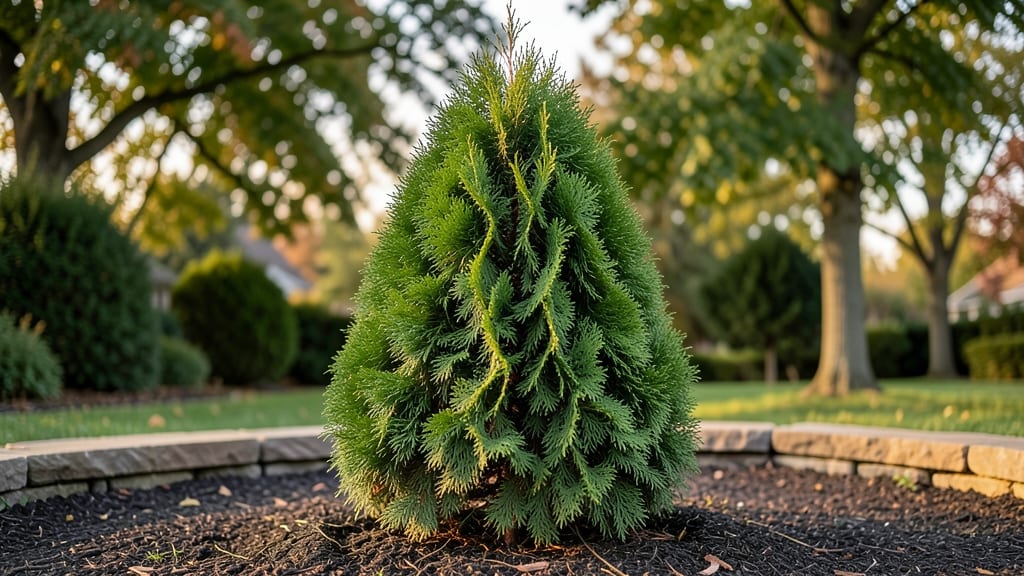
My arbor vitae tree care routine starts with understanding its natural resilience—this evergreen thrives with minimal fuss but rewards precise pruning for that dense, disease-resistant look. 🌲 I’ve learned that most people over-prune, stripping the tree of its protective foliage and leaving it vulnerable to pests.
The key is strategic cuts that encourage fuller growth without stressing the plant. The right time to prune is late winter or early spring, when the tree is dormant but about to burst with new growth.
You’ll need sharp pruners, a ladder (for mature trees), and a clear day to avoid spreading disease. My first mistake was pruning in summer—now I wait, and the results are noticeably healthier foliage by the next growing season.
What you’ll achieve is a tree that looks lush year-round, with fewer brown patches and stronger branches. The secret is removing only 10-15% of the foliage at a time, focusing on dead or crossing branches. This keeps the tree’s natural shape while encouraging dense, vibrant growth.
Works for both young saplings and mature trees—just adjust the scale. Here’s how to do it right, without the common pitfalls that leave trees looking stressed. Let’s get started!
📚 In This Guide
- What you need
- Instructions
- Tips and common mistakes
- Wrapping up and next steps
What you need
- ● Pruning shears: Bypass pruners (sharp, 6-8" blades) for small branches.
- ● Loppers: 10-12" for thicker branches (up to 1.5" diameter).
- ● Pruning saw: Curved-tooth saw for branches 2" or larger.
- ● Gloves: Heavy-duty, cut-resistant gloves (e.g., Mechanix or Wolverine).
- ● Disinfectant: 70% isopropyl alcohol or Tanglefoot pruning sealant (to prevent disease spread).
- ● Ladder or step stool: Sturdy, extendable (12-16 ft for mature trees).
- ● Heavy-duty trash bags: 13-gallon size for debris cleanup.
- ○ Sharpie or pruning paint: For marking cuts (optional but helpful for large branches).
- ● Pole saw: For high branches (16-20 ft reach).
- ● Tree wound dressing: Only if your arbor vitae has deep cuts (e.g., Tanglefoot Tree Wound Pruning Seal).
- ● Work vest or apron: With tool pockets for organization.
- ● Safety glasses: To protect from debris.
- ● Hose with nozzle: For rinsing tools post-pruning.
- ● Know your arbor vitae’s age and size—younger trees need lighter pruning!
- ● Check local pruning regulations (some areas restrict heavy trimming).
- ● Pick a dry, calm day to avoid spreading disease or risking injury.
Step-by-step guide for arbor vitae tree care
Here's how I maintain a healthy, lush arbor vitae year-round with minimal effort.
🌿 Step 1: Inspect and Plan Your Pruning Schedule
Start by examining your arbor vitae in early spring, just as new growth begins. Look for dead branches—these will be brittle and snap easily when bent. I always prune in late winter or early spring because this is when the tree is dormant but about to wake up, making it less stressful for the plant.
Mark the branches you need to remove with a piece of twine or flagging tape. This helps you visualize the final shape before making any cuts. Arbor vitae trees respond well to shaping, so aim for a natural, rounded form. Avoid removing more than 25% of the tree's foliage in one season—this keeps the tree healthy and prevents shock.
✂️ Step 2: Prune for Health and Shape
Use clean, sharp pruning shears to make your cuts. Start by removing any dead, diseased, or crossing branches first—these are priority cuts. Cut just outside the branch collar, the swollen area where the branch meets the trunk. This ensures the wound heals properly and reduces the risk of disease.
Next, shape the tree by thinning out the interior branches to allow light and air to circulate. Focus on removing branches that grow inward or downward, as these can create dense, shaded areas that promote fungal growth. Step back occasionally to check your progress—you want a balanced, open canopy that lets sunlight reach all parts of the tree.
💧 Step 3: Water and Fertilize After Pruning
After pruning, water your arbor vitae deeply to help it recover. The roots need moisture to support new growth, especially if you've removed a significant number of branches. I like to water in the early morning so the foliage has time to dry out during the day, reducing the risk of fungal diseases.
Apply a balanced, slow-release fertilizer in early spring to give your arbor vitae the nutrients it needs for the growing season. Follow the package instructions for application rates, but I typically use about 1 pound of fertilizer per inch of trunk diameter. Avoid fertilizing in late summer or fall, as this can encourage tender new growth that won’t harden off before winter.
☀️ Step 4: Monitor for Pests and Diseases
Check your arbor vitae regularly for signs of pests like spider mites, bagworms, or scale insects. Early detection is key—look for discolored leaves, webbing, or sticky residue on the branches. If you spot any issues, treat them promptly with an appropriate insecticide or horticultural oil. Arbor vitae trees are generally disease-resistant, but poor air circulation from overcrowded branches can lead to problems like needle blight.
In late fall, rake up and dispose of any fallen needles or debris around the base of the tree. This reduces overwintering pests and diseases. Mulch the base with 2-3 inches of organic mulch, like shredded bark, to retain moisture and regulate soil temperature. Keep the mulch a few inches away from the trunk to prevent rot.
⏰ Step 5: Prepare for Winter Dormancy
As winter approaches, arbor vitae trees enter dormancy, but they still need some care. Water deeply in late fall if the weather has been dry, as this helps the tree establish roots before the ground freezes. Avoid pruning in winter, as the tree is less able to heal wounds in cold temperatures.
If you live in an area with heavy snowfall, gently brush snow off the branches to prevent breakage. Arbor vitae trees are generally resilient, but excessive weight can damage weaker limbs. In early spring, once the ground thaws, you can resume your regular care routine. With consistent attention, your arbor vitae will stay dense, healthy, and beautiful for years to come.
Tips & tricks for perfect arbor vitae pruning
These simple strategies will help you keep your arbor vitae thriving with minimal effort—and avoid the most common pruning mistakes.
Timing is Everything: The late winter to early spring window is critical for arbor vitae pruning. This timing coincides with the tree's natural dormancy period, allowing it to heal more quickly. I've found that pruning during this time also prevents stress on the tree when it's about to burst with new growth. If you must prune outside this window, avoid late summer or fall when new growth won't have time to harden off before winter.
Visual Pruning Guide: When shaping your arbor vitae, use the "thirds rule" for a natural look. Divide the tree into three equal vertical sections and aim to have branches spaced evenly throughout. This creates that classic layered look while ensuring proper air circulation. Step back frequently to check your progress—your eye will catch imbalances that you might miss up close. Remember, arbor vitae respond well to shaping, so don't be afraid to get creative with the form while maintaining that natural rounded silhouette.
Tool Maintenance Matters: Your pruning shears are only as good as their sharpness. Dull blades tear rather than cut cleanly, which can damage the tree and make wounds more susceptible to disease. I clean and sharpen my pruning tools before each use with rubbing alcohol and a fine-grit sharpening stone. Sterilizing tools between cuts also prevents spreading any potential diseases from infected branches. This simple step makes a huge difference in how well your arbor vitae recovers from pruning.
Post-Pruning Recovery: After you've finished pruning, give your arbor vitae a deep watering to help it recover. Focus on the root zone, watering slowly until you see moisture reach about 6-8 inches down. The goal is to rehydrate the roots without causing surface runoff. I've noticed that trees pruned in dry conditions recover much more slowly, so proper post-pruning watering is just as important as the pruning itself.
Pro Tips for Arbor Vitae Tree Care
- These simple strategies will help you keep your arbor vitae thriving with minimal effort—and avoid the most common pr...
- Timing is Everything: The late winter to early spring window is critical for arbor vitae pruning. This timing coincid...
- Visual Pruning Guide: When shaping your arbor vitae, use the "thirds rule" for a natural look. Divide the tree into t...
Frequently asked questions
about arbor vitae tree care—because even the hardiest evergreens need a little TLC! Here’s what you’ve been wondering:When is the best time to prune arbor vitae trees?
Prune arbor vitae in late winter or early spring (before new growth starts) to avoid stressing the tree. Avoid heavy pruning in summer or fall, as this can expose the tree to pests and diseases. Light shaping is fine in late summer if needed, but keep it minimal to prevent overstressing.
How much can I trim without harming my arbor vitae?
Never remove more than 25% of the tree’s foliage in a single pruning session. Arbor vitae are slow to recover, so gradual shaping (10-15% per year) keeps them healthy. Focus on dead, diseased, or crossing branches first—these are the easiest to spot and remove.
Why are my arbor vitae branches turning brown? Is it normal?
Brown tips or branches can signal drought stress, pests (like spider mites), or winter burn. Check for crispy edges (drought) or webbing (pests). If it’s winter damage, wait until spring to prune affected areas. For pests, treat with horticultural oil or insecticidal soap and monitor closely.
Can I replace arbor vitae with a different evergreen?
Yes! If arbor vitae aren’t thriving in your climate, consider Thuja occidentalis ‘Smaragd’ (columnar), Juniperus virginiana (eastern redcedar), or Chamaecyparis lawsoniana (false cypress). These are also disease-resistant and adaptable, but research their specific care needs—some prefer full sun, while others tolerate shade.
Do arbor vitae need winter protection?
Young or newly planted arbor vitae may benefit from winter wraps or burlap shields in harsh climates (below 10°F) to prevent windburn. Avoid heavy mulch around the trunk—keep it 2-3 inches deep and 6+ inches from the base. Mature trees usually handle winter well but appreciate consistent moisture.
Still stumped? Drop your arbor vitae questions in the comments—we’re happy to help your tree thrive!
Wrapping up and next steps
Caring for your arbor vitae doesn’t have to be overwhelming—just a little consistency and seasonal attention go a long way! 🌿 By mastering year-round pruning, you’ll keep its foliage lush, its structure strong, and its resistance to disease top-notch.
The key? Stay proactive, prioritize clean cuts, and watch your tree thrive.
Ready to take the next step? Grab your pruners and schedule a quick trim—your arbor vitae will thank you with vibrant, healthy growth all year long! 🌳✨