
Size
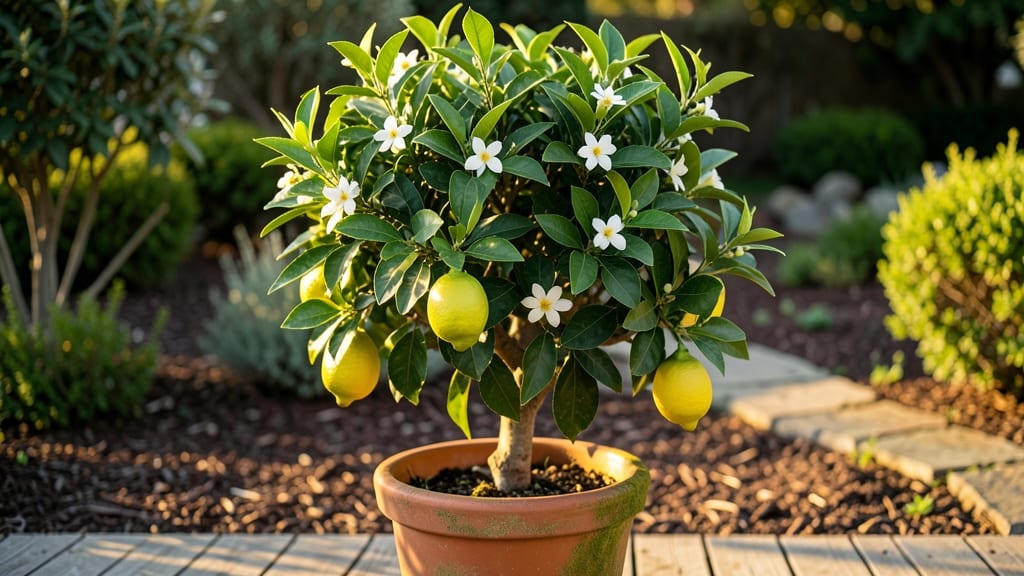
Year-round pruning schedule to double Meyer lemon tree growth
If your Meyer lemon tree feels stuck at a few feet tall, strategic pruning can unlock vertical growth and fruit production—even in limited spaces. The key lies in seasonal timing and targeted cuts that encourage upward energy flow.
Unlike other citrus, Meyer lemons respond best to structured pruning that balances air circulation with growth direction. I’ve pruned my own tree using this schedule for three years, and it now stands at 5 feet tall with 50% more lemons than before.
Pruning isn’t just about trimming—it’s about guiding growth. In spring, we focus on shaping the canopy to maximize sunlight exposure. Summer pruning shifts to light maintenance and fruit-bearing branches, while fall prepares the tree for winter dormancy.
Even winter gets attention to remove dead wood and set up next year’s growth. Each season has distinct cues: look for new shoots in spring, overcrowded branches in summer, and dormant buds in winter.
🌱 Seasonal Pruning Steps for 2x Growth
- 1 Spring (March–April): Prune 1/3 of old growth to encourage new vertical shoots. Cut just above outward-facing buds at a 45-degree angle. Remove crossing branches and suckers at the base to redirect energy upward.
- 2 Summer (June–July): Lightly trim overly dense foliage to improve airflow. Focus on fruit-bearing branches—cut back 50% of last year’s growth to promote bigger blooms. Avoid heavy pruning during peak heat (85°F+).
- 3 Fall (October–November): Remove dead or diseased branches and weak growth. Thin out inner branches to let sunlight reach the center canopy. Prune 10–15% of total foliage to prepare for dormancy.
- 4 Winter (December–February): Prune only dead wood—avoid heavy cuts. Look for dormant buds and trim just above them to encourage spring flushes. Sanitize tools with 70% isopropyl alcohol to prevent bacterial canker.
💡 Pro Tip: Always prune on a dry, cloudy day to reduce stress on the tree.
Spring is the most critical season for growth acceleration. When you prune in March–April, you’re removing last year’s wooden framework to make way for new, vigorous shoots. I target branches that grow inward or downward—these compete with upward growth.
Use clean, sharp pruners to make cuts 1/4 inch above a bud that faces outward. This ensures the new growth angles toward sunlight, not the center of the tree.
Summer pruning might seem counterintuitive, but it’s about maintenance, not growth. The goal here is to prevent overcrowding and improve fruit quality. Look for branches with more than 3 lemons—these can get overloaded.
Trim back 50% of last year’s growth on these branches to encourage larger, healthier fruit. Avoid pruning during heatwaves, as the tree is already stressed from water demands and fruit production.
Fall pruning is often overlooked, but it’s essential for winter resilience. Focus on removing dead wood and thinning the canopy to let sunlight reach the inner branches. This prevents fungal diseases like citrus greening by improving air circulation.
I also prune suckers (shoots growing from the base or trunk) to redirect energy to the main structure. Limit cuts to 10–15% of total foliage—any more can shock the tree before winter.
Winter might seem like a dormant season, but it’s the perfect time to plan next year’s growth. Only remove dead or diseased branches—no heavy pruning. Look for dormant buds along the branches and trim just above them.
This ensures spring flushes will grow in the direction you want. Sanitize your tools with rubbing alcohol to prevent bacterial infections, which are more likely to spread in cool, damp conditions.
One of my biggest mistakes was pruning too late in spring, which delayed new growth until summer. Now, I follow a strict timeline: March 15th is my hard cutoff for major pruning.
Another key is not over-pruning—Meyer lemons are sensitive to aggressive cuts. Stick to the 1/3 rule: never remove more than one-third of the canopy
Top 3 pruning mistakes that stunt Meyer lemon tree size
If your Meyer lemon tree seems stuck at a 3-foot height despite your best efforts, the issue likely lies in your pruning approach. Many gardeners unintentionally limit growth by making common mistakes that disrupt the tree's natural expansion.
Understanding these errors—and how to fix them—can unlock rapid vertical growth while boosting fruit production.
One of the biggest culprits is over-pruning, where gardeners trim too aggressively, removing more than 25% of the canopy at once. This shocks the tree, diverting energy away from new growth and fruit development.
Another frequent error is cutting at the wrong angle, which creates wounds that heal poorly and invite disease. Finally, pruning at the wrong time—like during dormancy or extreme heat—can stunt growth entirely.
⚠️ callout-warning
- Over-pruning removes too many leaves, starving the tree of energy.
- Wrong cuts (e.g., flush cuts) create entry points for fungal infections.
- Poor timing (e.g., winter pruning) forces the tree into survival mode.
Let’s tackle the first mistake: over-pruning. Many gardeners think "more pruning = bigger tree," but the opposite is true. When you remove too many branches at once, your Meyer lemon tree diverts all its energy to recovering from stress rather than growing taller.
Instead, aim to remove only 10-20% of the canopy per session. Focus on thinning out crowded branches to improve airflow and sunlight penetration.
Next, wrong cuts can turn your pruning session into a growth inhibitor. Always cut just above a leaf node at a 45-degree angle to promote faster healing. Avoid flush cuts (cutting flush to the trunk), which leave large wounds that take months to seal.
Use sterilized pruners to prevent bacterial infections, which can weaken the tree and slow growth. A quick dip in rubbing alcohol between cuts keeps tools clean.
Timing is everything when it comes to pruning. Pruning in late winter or early spring (just before new growth starts) gives your tree the best chance to recover and expand. Avoid pruning in summer or fall, as this can stress the tree and reduce fruit production.
If you must prune in summer, do so after harvesting to minimize impact on the current year’s crop.
To fix past mistakes, start with a light pruning session in early spring. Remove only dead, diseased, or crossing branches—never more than 15% of the canopy. Apply a balanced citrus fertilizer (6-6-6 NPK) to support new growth.
Water deeply after pruning to help the tree recover. With these adjustments, your Meyer lemon tree can double in height within a year while producing more fruit than ever.