
Size
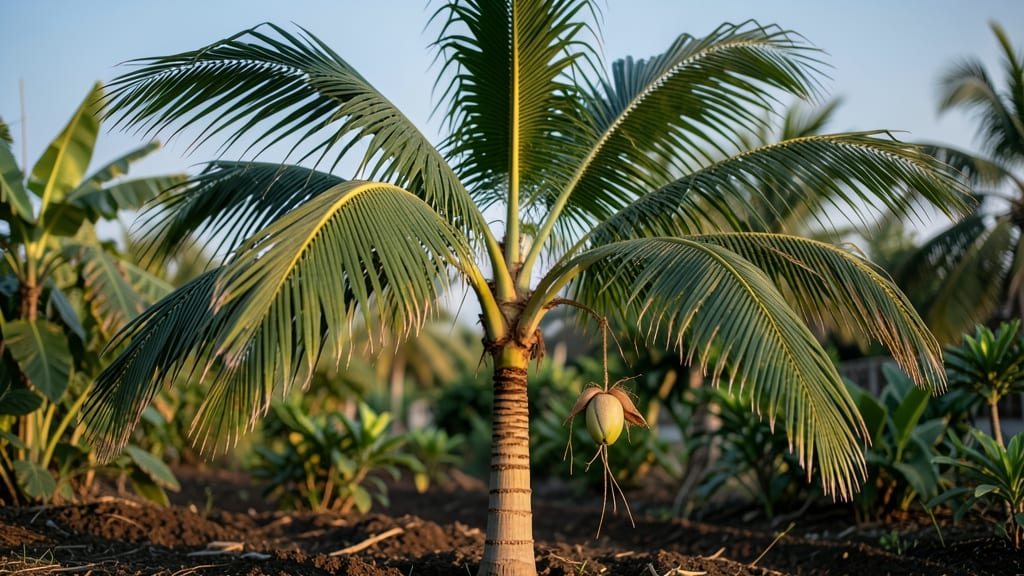
Watch a coconut tree shoot from a tiny seedling to a towering tropical giant in just 3-5 years—if you get the growth rate right. 🌱 I’ve seen them grow faster than expected when given the perfect mix of warmth, moisture, and space, but even the fastest varieties need patience.
The first year is all about roots and a single stem, while years 2-5 bring dramatic height gains—sometimes 10+ feet annually under ideal conditions.
Climate makes all the difference: tropical zones (like Hawaii or Florida) let coconut trees thrive year-round, while subtropical areas (California, southern Texas) can grow them but with slower progress. The soil needs to drain well—too much water drowns roots, while drought stunts growth.
I learned this the hard way when my first attempt in heavy clay took twice as long to sprout. A sandy loam mix with compost works best, and mulching keeps moisture steady.
By year 3, you’ll start seeing those signature fronds unfurl, and by year 5, a mature tree can produce 50-100 coconuts annually if pollinated properly.
The key is consistent care: deep watering (2-3 times weekly in dry climates), occasional fertilizer (balanced 10-10-10 in spring), and protecting young trees from strong winds. Even in cooler zones, a microclimate trick—like planting near a heat-retaining wall—can speed things up.
Don’t expect perfection: pests like coconut rhinoceros beetles or fungal diseases can set you back, but most home gardeners never face these issues. The real secret? Picking the right variety—dwarf coconuts (like ‘Malayan Dwarf’) mature in half the time, while tall varieties take longer but grow taller.
Whether you’re growing for shade, coconuts, or just the tropical vibe, these tips will get you there faster.
📚 In This Guide
- What you need
- Instructions
- Tips and common mistakes
- Wrapping up and next steps
What you need
- ● Coconut seed (nut) – 1 mature, undamaged coconut with a viable embryo (look for a brown, fibrous "eye" inside the husk).
- ● Potting soil – 5-10 gallons of well-draining, peat-based or coconut coir mix (avoid heavy clay).
- ● Pot or container – A 5-gallon nursery pot (minimum 12" deep) with drainage holes. For saplings, upgrade to 15+ gallons as they grow.
- ● Grow lights or sunny spot – A full-sun location (6+ hours/day) or a grow light (12-16 hrs/day) for indoor starts.
- ● Watering can or spray bottle – For gentle, consistent moisture (avoid soggy soil!).
- ● Fertilizer – A balanced, slow-release fertilizer (10-10-10 or 20-20-20) or organic options like fish emulsion or compost tea.
- ● Pruning shears or knife – For removing husk and trimming dead leaves.
- ● Trowel or small shovel – For planting and repotting.
- ○ pH testing kit – Optional but helpful to check soil pH (5.5–7.0 ideal).
- ○ Mulch (optional) – Shredded bark or coconut fiber to retain moisture and regulate temperature.
- ● Humidity tray or misting bottle – For high-humidity environments (coconut trees love it!).
- ● Warm climate or greenhouse – Coconut trees thrive in USDA Zones 10–12. Indoor growers need consistent warmth (70–90°F).
- ● Patience & space – Mature trees can reach 60–100+ feet tall! Plan for outdoor planting in 3–5 years.
- ● Time for germination – Seeds may take 1–6 months to sprout—stay consistent!
How to track and optimize coconut tree growth rate
Growing a coconut palm from seed to mature height takes patience—but these steps ensure steady, healthy progress.
🌱 Step 1: Germinate the Seed Properly
Start with a fresh coconut seed. Scrub off the fibrous husk to expose the hard shell, then soak it in warm water for 7-10 days until the water turns milky—this signals the embryo is active. Place the seed in a 6-inch deep container filled with moistened coconut coir or peat moss, with the pointed end facing up.
Keep the soil at 80-85°F using a seedling heat mat, and maintain 80-90% humidity with a clear plastic dome. Germination takes 2-4 months—you'll know it's working when a sprout emerges from the top and roots push through the bottom of the container.
☀️ Step 2: Transition to Light and Nutrients
Once the seedling reaches 3-4 inches tall, move it to a bright, indirect light spot, avoiding direct sun until it develops 4-5 true leaves. Use a balanced liquid fertilizer (10-10-10) diluted to ½ strength every 4 weeks to encourage steady growth.
Coconut palms grow fastest in warmth (75-85°F) and high humidity (60%+). If your climate runs cooler, use a grow light to supplement natural light. You'll see 1-2 inches of new growth per month under ideal conditions.
🪴 Step 3: Repot for Root and Canopy Expansion
When roots outgrow the container (typically 6-12 months), transplant into a 12-inch pot with well-draining potting mix (equal parts peat, perlite, and sand). Choose a container with drainage holes to prevent root rot—coconut palms hate soggy soil.
After repotting, reduce watering slightly until new growth resumes. A healthy 2-year-old palm should reach 6-8 feet tall with a 4-6 foot canopy. Prune only dead or yellowing fronds—never trim healthy leaves, as they fuel growth.
⏰ Step 4: Accelerate Growth with Strategic Care
By year 3, your palm should be 10-12 feet tall. Increase fertilizer to full strength (20-20-20) in spring and summer, and apply slow-release organic fertilizer in fall. Mulch with 2-3 inches of pine bark to retain moisture and regulate soil temperature.
Watch for new fronds unfurling—each one signals active growth. In years 4-5, expect 10-15 feet of height gain annually if conditions are ideal. Monitor for pests (spider mites, scale) and treat early with neem oil to avoid stunted growth.
Tips & tricks for maximizing your coconut palm's growth potential
Between us, the difference between a thriving coconut palm and one that barely makes it past the seedling stage often comes down to these overlooked details.
Germination Environment: That 7-10 day soaking period is your first critical window—don't rush it! I've seen seeds fail to germinate when people skip this step or use lukewarm water instead of warm. The milky water you see is the embryo waking up, and that's your cue it's ready for planting. For the 80-85°F soil temperature, I use a seedling heat mat under my propagation tray, which maintains perfect conditions without needing a greenhouse.
Light Transition Strategy: When moving your 3-4 inch seedling to brighter light in Step 2, do it gradually over 5-7 days. Sudden exposure to direct sun can scorch tender leaves. I place mine near an east-facing window first, then gradually move it toward southern exposure. The 4-5 true leaves milestone is your green light to introduce more direct light—those first leaves are fragile and need protection.
Repotting Timing: The 6-12 month window for repotting might seem wide, but watch for roots circling the container's bottom—that's your clear signal. I've learned the hard way that waiting too long leads to root-bound plants that struggle to recover. When transplanting to that 12-inch pot, handle the root ball gently—coconut palms are surprisingly sensitive to root disturbance during this critical growth phase.
Fertilizer Precision: That ½ strength 10-10-10 fertilizer in Step 2 is non-negotiable for young palms. I use a liquid fertilizer injector for precise dosing—over-fertilizing at this stage can actually stunt growth. By year 3 when you switch to full-strength 20-20-20, I recommend flushing the soil with water every 6 months to prevent salt buildup from accumulating fertilizer minerals.
Pro Tips for Coconut Tree Growth Rate
- Between us, the difference between a thriving coconut palm and one that barely makes it past the seedling stage often...
- Germination Environment: That 7-10 day soaking period is your first critical window—don't rush it! I've seen seeds fa...
- Light Transition Strategy: When moving your 3-4 inch seedling to brighter light in Step 2, do it gradually over 5-7 d...
Frequently asked questions
Got questions about how fast your coconut tree grows—or how to speed things up? Here are the answers to the most common queries about coconut tree growth rate, from planting to harvest.
How long does it take for a coconut tree to grow from seed to fruit?
A coconut palm typically takes 3–5 years to produce its first fruit after planting, depending on climate and care. In ideal tropical conditions (warmth, humidity, and well-draining soil), some varieties may bear fruit in as little as 2–3 years. Patience is key—early growth focuses on root and trunk development before flowering!
Can I speed up the growth of my coconut tree?
Yes! While genetics set the baseline, you can boost growth with these tricks:
- Fertilize regularly with potassium and magnesium (coconut palms are heavy feeders!).
- Ensure full sun exposure (6+ hours daily) and consistent moisture (but avoid waterlogging).
- Use mulch to retain soil warmth and prevent weeds.
- For container-grown trees, repot every 2–3 years into larger pots with drainage.
What happens if my coconut tree grows too slowly?
Slow growth often signals stress from one of these issues:
- Poor soil: Test for pH (ideal: 5.1–6.5) and amend with compost or coconut coir.
- Pests/diseases: Watch for red palm weevils or leaf blight. Treat with neem oil or fungicides if needed.
- Cold damage: Coconut palms cannot tolerate frost—move potted trees indoors if temps drop below 50°F (10°C).
- Nutrient deficiency: Yellowing fronds? Add iron or manganese supplements.
Can coconut trees grow in containers, and how does that affect growth rate?
Container-grown coconut palms grow slower than in-ground trees (due to root restriction) but can thrive with the right care. Choose a large pot (20+ gallons) with drainage holes and use a fast-draining mix (60% coconut coir, 30% perlite, 10% compost). Expect 1–2 inches of trunk growth per year in containers vs. 3+ inches outdoors.
Are there faster-growing coconut tree alternatives for quick harvests?
If you’re impatient, consider these faster-maturing tropical trees for similar benefits:
- Macadamia nut tree: Produces nuts in 5–7 years (slower than coconuts but drought-tolerant).
- Avocado tree: Some varieties bear fruit in 3–4 years (great for cooler climates).
- Pandanus (screw pine): Grows quickly and yields edible fruits in 2–3 years.
Wrapping up and next steps
Growing a coconut tree from seed to a lush, towering canopy in just 3-5 years is not only possible—it’s an incredibly rewarding journey! 🌱 With the right soil, climate, and care, you’ll witness firsthand how these tropical giants thrive.
Whether you’re cultivating for shade, fruit, or simply the joy of nurturing life, your patience will pay off in stunning, sustainable beauty.
Ready to take the next step? Start with a healthy seed and give your coconut tree the love it deserves—your future tropical oasis awaits! 🌴✨