
Pests and Diseases
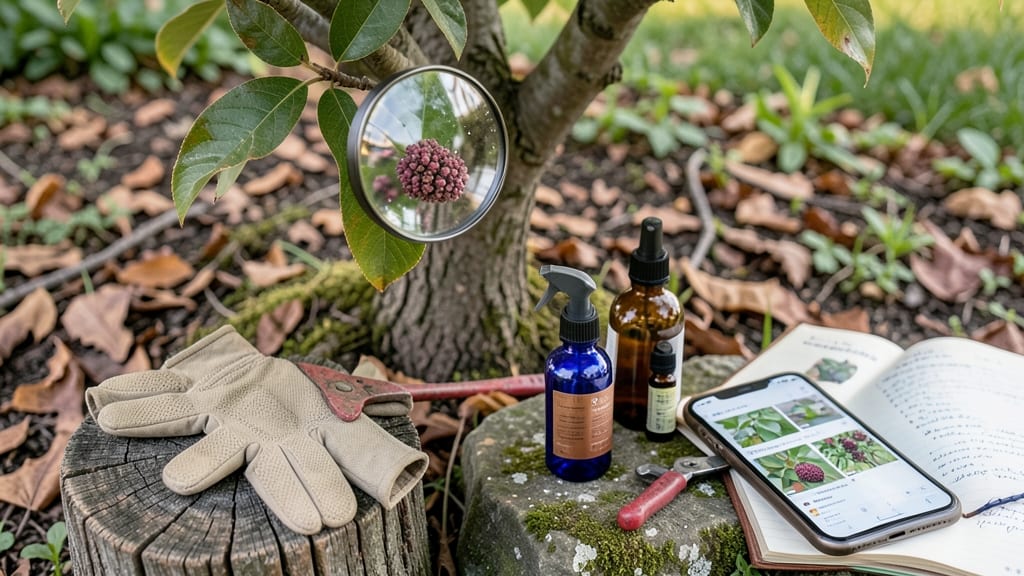
Those tiny red bumps on your peach tree leaves aren't just unsightly—they could be rust fungus or mite eggs, and both spread fast if ignored. 🌿 I’ve seen healthy trees turn into defoliated messes in weeks when homeowners wait too long to act, but the good news?
You can stop it in its tracks with the right moves.
Rust spores look like orange-red powder on leaf undersides, while mites leave silvery webbing and stippled leaves. The key is acting within 7 days of noticing bumps—prune infected branches immediately and avoid overhead watering, which spreads spores.
I’ve used neem oil for both issues, but severe cases need copper fungicide or horticultural oil sprays.
Your tree can recover fully if you catch this early. Within 2-3 weeks of treatment, new growth should appear clean, and next year’s harvest stays safe. The secret? Weekly inspections during spring and fall when pests and fungi are most active.
For stubborn cases, combine organic sprays with mulching to improve soil health—stronger trees resist pests better. I’ll show you exactly how to mix treatments and schedule applications so you don’t waste time or money on guesswork.
Root Causes Behind Leaf Bumps
When you spot red bumps appearing on your peach tree leaves, it’s rarely a coincidence—these are almost always signs of an underlying issue. Understanding the why behind these bumps is the first step toward effective treatment.
Below, we break down the most common culprits, from fungal infections to pest activity, with clear explanations of how they develop and what triggers them.
Fungi thrive in moist, warm conditions, and peach trees are particularly susceptible to several types that cause red or rust-colored bumps. Here’s how they strike:
- Leaf Rust (Tranzschelia discolor):
This fungal pathogen produces telial horns—tiny, red, blister-like bumps on the underside of leaves. It spreads via windborne spores, especially in spring when temperatures hover between 60–75°F (15–24°C) and humidity is high. Infected leaves may turn yellow and drop prematurely, weakening the tree’s ability to photosynthesize.
- Peach Leaf Curl (Taphrina deformans):
While primarily causing thickened, curled leaves, this fungus can also trigger reddish, scaly bumps on new growth. It overwinters in buds and erupts when wet, cool springs (40–60°F / 4–15°C) provide ideal conditions. The fungus distorts leaf tissue by altering cell division, creating a rough, velvety texture.
- Anthracnose (Colletotrichum spp.):
Less common but aggressive, anthracnose causes dark red or purple sunken spots that may develop raised, crusty edges. It thrives in wet foliage and can spread through splashing water (e.g., overhead irrigation). Unlike rust, anthracnose often appears on both leaf surfaces and may lead to defoliation if untreated.
💡 Pro Tip: Fungal spores are often invisible until conditions are perfect. Preventative copper fungicides applied in early spring (before bud break) can create a protective barrier against these pathogens.
Not all red bumps are fungal—some are the result of insects feeding or laying eggs. These pests leave behind distinctive marks that can mimic disease symptoms.
- Peach Leaf Curling Mite (Eriophyes spp.):
These microscopic mites burrow into leaf tissue, causing reddish, raised galls or curled patches. They prefer dry, hot conditions and thrive in dense foliage where they’re shielded from predators. Heavy infestations can stunt growth and reduce fruit yield by up to 50%.
- Scale Insects (e.g., San Jose Scale):
While scale insects typically produce brown, waxy bumps, some species (like Quadraspidiotus perniciosus) can leave reddish, crusty residues as they feed on sap. Their honeydew secretions also attract sooty mold, which darkens leaves further. Scale thrives in warm, dry climates and often targets young leaves and fruit.
- Japanese Beetles (Popillia japonica):
Adult beetles chew irregular holes in leaves, but their larvae (grubs) can cause reddish-brown, raised scars as they feed on roots. While not directly linked to leaf bumps, secondary bacterial infections (like Erwinia) can exploit these wounds, creating red, oozing lesions.
🔥 Warning: Mites and scale insects are not always visible to the naked eye. Use a 10x magnifying lens or shake leaves over a white sheet to spot tiny pests or webbing.
Sometimes, red bumps aren’t caused by pathogens or pests but by environmental factors that weaken the tree’s defenses. Here’s how:
- Extreme Temperature Fluctuations:
Sudden drops below 32°F (0°C) or heatwaves above 90°F (32°C) can trigger cellular damage, leading to red, blister-like bumps. Cold stress disrupts water uptake, while heat causes oxidative stress, forcing the tree to produce abnormal growths as a survival mechanism.
- Nutrient Deficiencies (Especially Potassium or Magnesium):
A lack of potassium (K) weakens cell walls, making leaves more susceptible to fungal infections and physical damage. Magnesium deficiency (often seen as interveinal reddening) can also create a stressed environment where secondary issues thrive. Soil tests can reveal imbalances before symptoms appear.
- Poor Air Circulation:
Dense foliage or overcrowded trees trap moisture, creating the perfect breeding ground for fungi. Poor airflow also delays drying after rain, prolonging the window for spore germination. Prune to open the canopy and space trees at least 15–20 feet apart to improve airflow.
✨ Quick Fix: If stress is the culprit, focus on corrective care: mulch with wood chips to regulate soil temp, apply balanced fertilizer (e.g., 10-10-10), and water deeply but infrequently to avoid fungal-friendly wetness.
Now that you know why those red bumps appear, the next step is identifying the exact cause and treating it effectively. Skip ahead to solutions or dive deeper into diagnosis with our step-by-step guide.
Fixing Leaf Bumps Fast
Now that you’ve identified the cause of those pesky red bumps on peach tree leaves, it’s time to act! The right solution depends on whether your tree is battling fungal infections, mites, or environmental stress.
Below, we break down practical, step-by-step fixes—plus prevention tips—to restore your peach tree’s health and keep those bumps from returning.
---
If your tree is dealing with anthracnose, rust, or powdery mildew, follow these steps to stop the spread and recover:
#### 🔪 Step 1: Remove Infected Leaves & Branches - 📋 Inspect the tree and prune any leaves or small branches with red bumps, discoloration, or spots. - 🗑️ Dispose of them in a sealed bag (not your compost pile) to prevent reinfection. - ✂️ Sterilize your pruners with rubbing alcohol between cuts to avoid spreading spores.
#### 💧 Step 2: Improve Airflow & Reduce Moisture Fungi thrive in humid, shaded conditions.
Help your tree by: - 🌿 Thinning out dense branches to allow better airflow. - 🌞 Pruning nearby plants or structures (like fences or overhanging roofs) that block sunlight. - 💦 Watering at the base (not overhead) in the early morning so leaves dry quickly.
#### 🧴 Step 3: Apply Fungicide (Organic or Chemical) - 🌱 Organic options: - Baking soda spray (1 tsp baking soda + 1 quart water + a few drops of soap) – spray every 7–10 days. - Neem oil (1 tbsp per gallon of water) – spray early morning or evening to avoid burning leaves. - Copper fungicide (like Copper Soap) – follow label instructions for best results. - 💊 Chemical options (if severe): - Chlorothalonil (Daconil) or propiconazole (Banner Max) – apply every 10–14 days as directed.
#### 🌡️ Step 4: Boost Tree Resilience - 💪 Fertilize with a balanced, slow-release fertilizer (like 10-10-10) in early spring to strengthen growth. - 🌱 Mulch around the base (but not touching the trunk) with wood chips or straw to regulate soil moisture.
--- If peach leaf curl mites, rust mites, or scale insects are the culprits, here’s how to kick them out for good:
#### 🚿 Step 1: Blast Off Pests with Water - 💦 Use a strong hose to rinse off mites and eggs from leaves and branches. - 🌧️ Repeat every 5–7 days for 2–3 weeks to break their life cycle.
#### 🧴 Step 2: Apply Miticide or Insecticidal Soap - 🌿 Organic options: - Insecticidal soap (like Safer® Brand) – spray directly on infested areas (reapply every 3–5 days). - Neem oil (mix 1 tbsp per gallon of water + a drop of dish soap) – spray at dusk to avoid harming bees. - Horticultural oil (like dormant oil) – apply in early spring before buds swell. - 💊 Chemical options (if severe): - Sulfur-based miticides (like Liqui-Cop) – follow label rates. - Acaricides (e.g., Avid or Oberon) – use only as a last resort and follow safety guidelines.
#### 🐝 Step 3: Encourage Natural Predators - 🐞 Ladybugs, lacewings, and parasitic wasps eat mites! Plant companion flowers (like dill, fennel, or marigolds) to attract them. - 🌿 Avoid broad-spectrum pesticides that kill beneficial insects.
#### 🧹 Step 4: Deep-Clean the Tree & Surroundings - 🧽 Scrub the trunk and branches with a soft brush dipped in soapy water to remove scale or mite webs. - 🌳 Remove debris (fallen leaves, old fruit) from under the tree to eliminate hiding spots.
--- If heat, drought, or poor soil caused the bumps, focus on revitalizing your tree’s conditions:
#### 💧 Step 1: Water Deeply & Consistently - 🌱 Water at the root zone (1–2 inches per week, more in extreme heat). - 🌧️ Use drip irrigation or soaker hoses to avoid wetting leaves (which can invite fungus). - 🌿 Mulch with 3–4 inches of organic mulch (like straw or wood chips) to retain moisture.
#### 🌡️ Step 2: Protect from Extreme Conditions - ☀️ In hot climates, provide shade cloth during peak sun hours if your tree is young or stressed. - ❄️ In cold areas, mulch heavily in winter to protect roots from freezing.
#### 🌱 Step 3: Test & Amend Soil - 📊 Get a soil test (check pH and nutrient levels) – peach trees prefer slightly acidic soil (pH 6.0–6.5). - 💪 Add compost or aged manure to improve drainage and fertility. - 🌿 Avoid over-fertilizing with nitrogen—it can weaken the tree’s defenses.
--- Once your tree is healthy, prevent future outbreaks with these proactive steps:
✅ 🌱 Plant disease-resistant varieties (like ‘Redhaven’ or ‘Elberta’ peaches) if fungal issues are common in your area. ✅ 🍃 Prune in late winter/early spring (before buds swell) to remove weak branches and improve airflow. ✅ 🧴 Apply preventive fungicide (like neem oil or copper spray) every 4–6 weeks during growing season. ✅ 🐞 Monitor regularly for pests—check undersides of leaves weekly, especially after rain. ✅ 🌿 Keep the area clean—remove fallen fruit, leaves, and weeds to reduce pest/fungal hiding spots. ✅ 🌧️ Water early in the day so leaves dry quickly, reducing humidity-related fungal growth.
--- - Fungal issues: 2–4 weeks with consistent treatment (new leaves should be bump-free). - Pest infestations: 3–6 weeks (depends on mite life cycle and treatment frequency). - Environmental stress: 1–2 growing seasons to fully recover (focus on soil health and watering).
🚀 Pro Tip: If bumps persist after 4–6 weeks, consult a local agricultural extension office—they can test for less common pathogens or pests specific to your region.
--- Your peach tree can bounce back—just stay consistent, and those red bumps won’t stand a chance! 🌿💪
Frequently asked questions
Are those red bumps on my peach tree always harmful?
Not always! While most red bumps indicate fungal infections (like rust) or pest activity (such as mites), some may be harmless growths caused by environmental stress or even natural leaf variations. The key is to check for other symptoms: yellowing leaves, webbing, or powdery residues. If you see these, act fast—harmless bumps rarely spread or worsen.
How do I tell if the bumps are from fungus vs. mites?
Fungal bumps (like rust) appear as orange-red, powdery spots on leaf undersides, while mites create tiny, raised red galls or silvery webbing. Flip leaves over—if you see rust-colored spores, it’s fungus. For mites, look for stippled leaves or sticky honeydew residue. A 10x magnifying lens helps spot microscopic pests.
Can I save my peach tree if the bumps have spread to most leaves?
Yes, but you’ll need aggressive action! Prune all infected branches immediately, then apply a copper fungicide or neem oil every 7–10 days for 4–6 weeks. For severe cases, combine treatments with soil amendments (compost + potassium) to strengthen the tree. Early intervention is critical—waiting too long risks defoliation and fruit loss.
Will store-bought fungicides harm my tree if I use too much?
Overapplying fungicides can burn leaves or disrupt beneficial microbes in the soil. Always follow label instructions—most recommend every 10–14 days max. For organic options like neem oil, dilute properly (1 tbsp per gallon) and avoid spraying in direct sunlight. When in doubt, start with half the recommended dose and monitor for reactions.
How can I prevent red bumps next year?
Focus on 3 key strategies: 1) Prune for airflow (thin branches to reduce humidity), 2) Water at the base (never overhead), and 3) Apply preventive sprays (neem oil or copper) every 4–6 weeks during growing season. Planting marigolds or dill nearby** also attracts predator insects that eat mites naturally.