
Planting
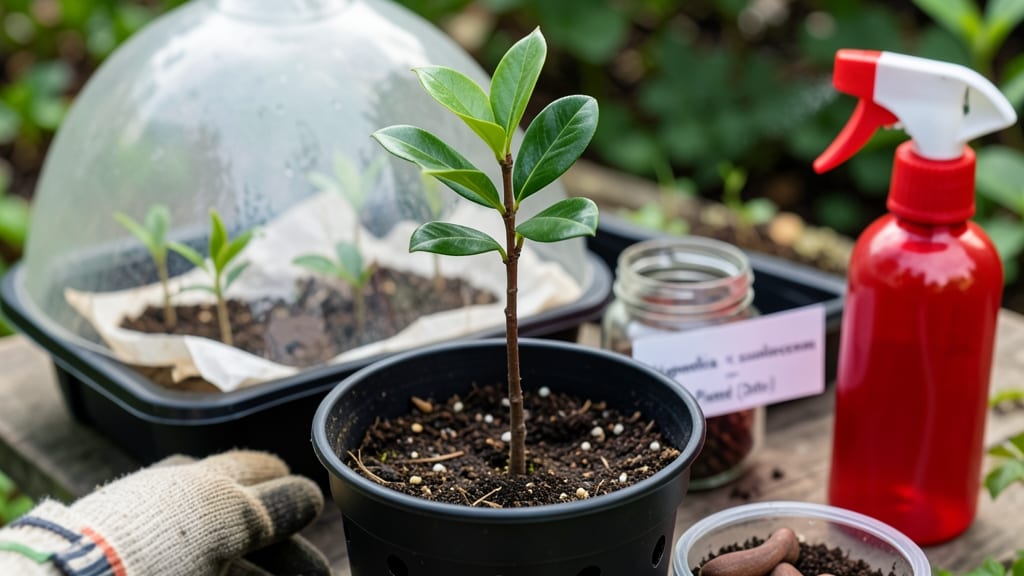
Planting magnolia tree seeds 🌸 the right way means starting with cold stratification—a process that mimics winter’s natural dormancy to break open those stubborn seed coats.
Struggling to grow magnolia trees from seeds? Without proper cold stratification, germination rates drop below 20%—but these science-backed steps can boost success to 70% or higher. Most gardeners skip this critical step, which is why their seeds sit in the soil for months without sprouting.
Here’s the secret: a mix of moisture, temperature control, and patience turns those tiny seeds into thriving seedlings. In this guide, I’ll walk you through the exact timing, containers, and soil conditions needed to maximize your chances—plus the common mistakes that kill even the best-prepared batches.
Ready to grow a magnolia tree from seed? You’ll learn how to prepare your seeds in 6 weeks, plant them at the perfect depth, and keep them alive through the first fragile months. Let’s get started.

Cold stratification process for magnolia tree seeds: exact timing and temperature requirements
Magnolia tree seeds require cold stratification to break their natural dormancy, a process that mimics winter conditions. Without this step, your germination rates could plummet to as low as 10-20%. But when done correctly, you can achieve 70% or higher success—here's exactly how.
Cold stratification involves exposing seeds to consistent cold temperatures (typically between 35-45°F) while maintaining proper moisture levels. This process tricks the seed into thinking winter has passed, signaling it's time to sprout. For magnolias, the timing and temperature are critical factors that determine whether your seeds will germinate.
The entire process should take 90-120 days, but some gardeners prefer extending it to 150 days for maximum results. You'll need to balance moisture control, container selection, and temperature monitoring to create the ideal environment. Let's break it down step by step.
🌱
Step-by-Step Cold Stratification for Magnolia Seeds
-
Step 1: Harvest and Clean Seeds
Collect ripe magnolia seeds (usually in late fall) and remove any fleshy pulp. Rinse seeds thoroughly with cool water to remove residue. Allow them to air-dry for 24-48 hours at room temperature. -
Step 2: Prepare the Stratification Medium
Mix equal parts peat moss and sand (or use a commercial seed-starting mix). Moisten the medium until it's damp but not soggy—squeeze a handful; water should lightly dampen your hand. -
Step 3: Select Your Container
Use a shallow tray or seedling flat with drainage holes. Line the bottom with a paper towel or coir mat to retain moisture while allowing airflow. Avoid plastic bags, which can cause fungal growth. -
Step 4: Plant the Seeds
Place seeds 1/4 inch deep in the moist medium, spacing them 1-2 inches apart. Cover lightly with the same medium. Label your container with the stratification start date and seed variety. -
Step 5: Cold Stratification Setup
Place the container in a refrigerator (set to 35-45°F) or a cold frame outdoors during winter months. Ensure the seeds stay consistently cold—never expose them to room temperature or direct sunlight. -
Step 6: Monitor Moisture Weekly
Check the medium every 7-10 days and mist with cool water if it feels dry. Avoid overwatering, as excess moisture can lead to mold. The goal is to keep the medium evenly damp, not waterlogged. -
Step 7: Track Duration (90-150 Days)
Most magnolia seeds need 90-120 days of cold stratification, but some varieties benefit from up to 150 days. Mark your calendar and resist the urge to check for sprouts too soon—patience is key. -
Step 8: Transition to Warmth
After stratification, gradually move the container to room temperature (around 65-75°F) over 3-5 days. Place it in a bright, indirect light area—avoid direct sunlight, which can stress young seeds.
Once your magnolia seeds complete stratification, they'll be ready for planting. The transition to warmth is critical—rushing this step can shock the seeds and reduce germination rates. Place the container in a warm, well-lit area (like a sunny windowsill) and prepare to watch for sprouts in 2-6 weeks.
If you're in a warmer climate, you can skip the refrigerator and use a cold frame outdoors during winter. Just ensure the temperature stays consistently below 45°F and protect the seeds from freezing temperatures (below 25°F) by covering them with straw or burlap.
Pro tip: Keep a stratification journal to track moisture levels, temperature fluctuations, and any notes on seed condition. This helps you refine the process for future batches and troubleshoot if germination rates are low.
For example, if your seeds sprout too quickly after stratification, they may have been too warm during the process.
🌿
When and where to plant stratified magnolia seeds for best survival rates
Timing your magnolia seed planting is critical—planting too early risks frost damage, while waiting too long reduces germination success. For USDA Zones 6-8, aim for late winter to early spring (February-March), when soil temperatures hover around 50-60°F.
In colder zones (3-5), extend your window to April-May to avoid late frosts that can kill tender seedlings.
Your location matters just as much as the calendar. Southern gardeners in Zones 9-11 can plant as early as January, while northern growers should wait until after the last frost date—typically mid-April in most regions. Always check your local frost-free date to time planting perfectly.
Comparison Table: Optimal Planting Windows by Climate Zone
Once you've chosen your planting window, prepare the soil by mixing equal parts garden soil and compost to create a loose, well-draining medium. Magnolia seedlings hate soggy roots, so amend heavy clay with sand or perlite if needed.
Test your soil's pH—magnolias thrive in slightly acidic soil (pH 5.5-6.5)—and adjust with sulfur if necessary.
For transplanting, wait until seedlings develop 2-3 sets of true leaves (about 6-8 weeks after germination). Harden them off by placing containers outside for 2-3 hours daily over 1-2 weeks before moving to their permanent spot.
Choose a location with morning sun and afternoon shade, mimicking their natural forest understory habitat.
After planting, mulch with 2-3 inches of organic mulch to retain moisture and suppress weeds. Water deeply once a week during the first growing season, ensuring the soil stays consistently moist but never waterlogged.
Avoid overhead watering to prevent fungal diseases like powdery mildew, which can devastate young seedlings.
Patience is key—magnolia seedlings grow slowly. Expect only 1-2 feet of growth per year in their first few years. With proper timing and care, however, your stratified seeds will develop into stunning, long-lived magnolia trees that can live for centuries. 🌸