
Pruning
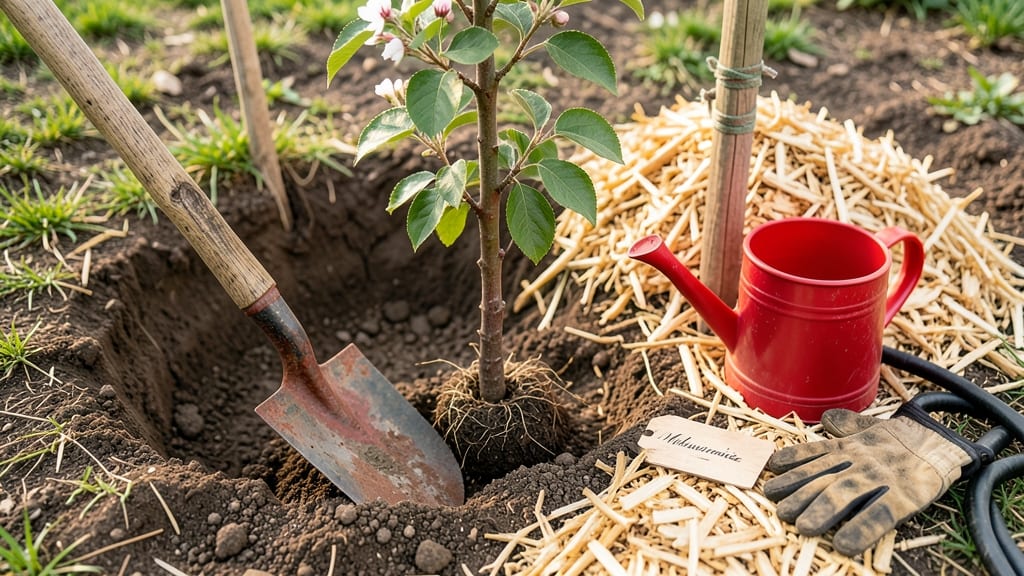
Planting an apple tree in the right USDA hardiness zone is the difference between a thriving orchard and a sad, stunted sapling. 🌳 I learned that the hard way when my first tree struggled through a winter it wasn't built for—until I matched the variety to its climate.
The right zone ensures strong root growth, reliable flowering, and fruit that actually ripens instead of turning mealy. Most apple varieties thrive in zones 4-8, but cold-hardy types like Honeycrisp (zone 3) or Granny Smith (zone 7) push those boundaries.
Heat-loving Fuji (zone 5) wilts in southern summers without shade and irrigation. Your local frost dates matter just as much as the zone number—planting too early means tender new growth gets fried, while waiting too long delays fruit production. Once you know your zone, soil prep becomes the next game-changer.
Amend heavy clay with compost to improve drainage, and mulch heavily in winter to protect roots from freeze-thaw cycles. A well-chosen microclimate—like a south-facing slope or windbreak—can extend a tree's range by 1-2 zones, turning marginal areas into success stories.
For exact variety recommendations, plug your zip code into the USDA Plant Hardiness Zone Map—then cross-reference with regional extension service guides. The payoff? Trees that fruit reliably for decades, not just survive their first winter.
📚 In This Guide
- What you need
- Instructions
- Tips and common mistakes
- Wrapping up and next steps
What you need
- ● Apple tree sapling: Choose a variety suited to your USDA Plant Hardiness Zone (e.g., Malus domestica varieties like 'Honeycrisp' for Zones 4-8 or 'Granny Smith' for Zones 7-10). Purchase from a reputable nursery.
- ● Shovel or trowel: A round-point shovel (for digging) or a hand trowel (for smaller holes).
- ● Compost or well-aged manure: 5–10 gallons to enrich the soil.
- ○ Mulch (optional but recommended): 2–3 inches of organic mulch (e.g., wood chips or straw) to retain moisture and suppress weeds.
- ● Watering can or hose: With a gentle spray nozzle to avoid disturbing the soil.
- ● Pruning shears: Bypass pruners (for clean cuts) or loppers (for thicker branches).
- ○ Tree stake (optional but helpful): A 4–6 ft wooden or metal stake + soft tree tie to support young trees in windy areas.
- ● Soil test kit: To check pH and nutrient levels (ideal range: 6.0–7.0).
- ● Fertilizer: Balanced 10-10-10 or organic options like bone meal for phosphorus.
- ● Tree guard: A plastic or metal collar to protect the trunk from pests.
- ● Garden gloves: For comfort while handling soil and tools.
- ● Post-hole digger: If planting in clay-heavy soil for better drainage.
How to select and plant apple trees for your climate zone
Healthy apple trees start with the right climate match—here's how to choose varieties that thrive where you live.
🌍 Step 1: Determine Your USDA Hardiness Zone
Find your zone by checking the USDA Plant Hardiness Zone Map using your ZIP code. Most apple trees thrive in zones 4 through 8, but specific varieties have narrower ranges. For example, 'Honeycrisp' does best in zones 4-7, while 'Fuji' prefers 5-8. Write down your zone number—it’s your planting guide.
If you're near a zone boundary, check microclimates. South-facing slopes warm up faster, while low spots stay cooler. A yard in zone 6 might support zone 5 varieties if protected by a south wall or heat-retaining stone walls. I always test a spot for a week in winter to confirm its true cold tolerance.
🍎 Step 2: Choose Cold-Hardy Varieties for Your Zone
Select apple varieties bred for your zone’s minimum winter temperatures. Zone 3-4 gardeners should prioritize 'McIntosh', 'Cortland', or 'Empire'—these handle -25°F to -30°F without issue. For zones 5-6, 'Gala', 'Jonagold', and 'Granny Smith' are reliable choices that bear fruit reliably.
Warmer zones 7-8 need heat-tolerant varieties like 'Anna', 'Dorsett Golden', or 'Ein Shemer' that won’t suffer from summer heat stress. Cross-reference your zone with a trusted nursery’s variety chart—some trees bloom early and risk frost damage if planted in marginal zones.
☀️ Step 3: Pick the Right Location for Sun and Drainage
Apple trees need full sun (6-8 hours daily) and well-drained soil. In zones 4-6, plant on a south-facing slope to maximize winter sun exposure, which helps prevent winter dieback. Avoid low spots where cold air pools—these can drop temperatures 5-10°F colder than the surrounding area.
Test drainage by digging a 12-inch hole and filling it with water. If it drains within 4-6 hours, the site is suitable. Poor drainage leads to root rot, especially in heavy clay soils common in zones 5-7. Amend compacted soil with 2-3 inches of compost before planting to improve aeration.
🪴 Step 4: Plant at the Correct Depth and Time
Plant bare-root trees in early spring (March-April) or dormant-season (November) to minimize transplant shock. Dig a hole twice as wide as the root ball but no deeper—apple trees hate having their roots buried too deep, which can suffocate them. The graft union (visible bump near the base) should sit 2-3 inches above soil level to prevent rot.
Backfill with native soil mixed with 1 part compost to encourage root establishment. Water deeply to settle the soil, then mulch with 3 inches of wood chips (keep mulch 6 inches away from the trunk to prevent moisture buildup). In zones 3-5, add an extra 2 inches of mulch for winter insulation.
⏰ Step 5: Protect Young Trees in Harsh Climates
In zones 3-4, wrap the trunk with tree guard or burlap in late fall to shield it from sunscald (winter sun damage) and voles. Install a stake-and-tie system to support the tree in windy areas—apple trees can grow 10-15 feet tall in their first decade, and wind stress weakens them.
For zones 5-6, apply a 2-inch layer of mulch in late fall to insulate roots. Avoid heavy mulch in warmer zones 7-8, as it can trap heat and stress the tree. Water deeply once a month during the first growing season to help roots establish—you’ll know it’s working when new shoots appear by mid-summer.
Tips & tricks for perfect apple tree planting in your zone
These hard-won lessons will help you avoid the most common pitfalls when planting apple trees in your specific climate—because every zone has its own quirks.
Zone-Specific Variety Selection: Don't just pick any apple variety—research which ones thrive in your exact zone range. For example, 'Honeycrisp' might do well in zone 6 but could suffer frost damage in zone 7's occasional late frosts. I always cross-reference with local orchard reports to find the most reliable performers in my area. The difference between a thriving tree and one that struggles often comes down to this single choice.
Microclimate Mastery: Your yard's microclimate can vary by 5-10°F from the official zone temperature. Test potential planting spots by leaving a thermometer overnight in winter—this reveals if your south-facing slope is actually warmer than the official zone rating. I've seen zone 6 gardens where zone 5 varieties thrive because of this winter sun exposure, while low spots remain colder than expected.
Soil Preparation Strategy: The 12-inch drainage test is non-negotiable, but don't stop there. In zones 5-7 with heavy clay soils, I recommend adding 2-3 inches of compost mixed with coarse sand to improve aeration. This prevents the waterlogging that causes root rot in apple trees. The key is creating that perfect balance where roots get oxygen but still retain moisture during dry spells.
Winter Protection Hacks: For zones 3-5, I've found that wrapping tree guards with bubble wrap underneath provides extra insulation against winter temperature swings. The bubble wrap creates an air pocket that buffers against rapid temperature changes. In windy areas, I also add a windbreak made from burlap stretched between stakes—this can mean the difference between a tree that survives and one that gets winter burn.
Pro Tips for Apple Tree Planting Zones
- These hard-won lessons will help you avoid the most common pitfalls when planting apple trees in your specific climat...
- Zone-Specific Variety Selection: Don't just pick any apple variety—research which ones thrive in your exact zone rang...
- Microclimate Mastery: Your yard's microclimate can vary by 5-10°F from the official zone temperature. Test potential ...
Frequently asked questions
Got questions about planting apple trees in the right zones? You’re not alone!
Here are answers to the most common concerns—from climate quirks to troubleshooting tips—to help you grow a thriving orchard.
What are the best apple tree planting zones in the U.S.?
Apple trees thrive in USDA Hardiness Zones 4–8, with most varieties doing best in Zones 5–7. For example, Honeycrisp loves Zones 3–8, while Fuji prefers Zones 5–9. Check your USDA zone map to pick the right variety for your climate!
Can I plant an apple tree in Zone 9 or 10?
Yes, but you’ll need heat-tolerant varieties like Anna or Dorsett Golden, which handle warmer zones (8–10). Plant in late winter or early spring to avoid summer heat stress. Pro tip: Use drip irrigation and mulch to retain moisture!
When is the best time to plant an apple tree?
Plant in late fall (October–November) or early spring (March–April) when the soil is workable but not frozen. Avoid summer planting—heat and drought stress young roots. If planting in spring, do it 4–6 weeks before your last frost for optimal growth.
How do I know if my apple tree will cross-pollinate?
Most apple trees require a second variety for pollination (e.g., plant Gala near Granny Smith). Check the pollination group on the tag—Group 1–7 varieties need companions from different groups. Pro tip: Plant two trees 50–100 feet apart for best results!
Why isn’t my apple tree growing in the right zone?
Slow growth could mean poor soil, pests, or disease. Test your soil’s pH (ideal: 6.0–7.0) and amend with compost. Watch for aphids or fire blight—prune infected branches immediately. If the tree’s leaves yellow, it may need more iron or nitrogen. Adjust care based on your zone’s needs!
Wrapping up and next steps
Planting an apple tree is a rewarding journey, and understanding apple tree planting zones is your first step to success! 🌳 By choosing the right climate zone for your variety, you’ll set the stage for thriving growth, bountiful harvests, and years of enjoyment.
Now that you’re armed with the knowledge of hardiness, microclimates, and seasonal timing, it’s time to take action.
🌱 Your Next Step: Dig In!
Start by selecting the perfect apple variety for your zone, gather your tools, and mark your planting spot. Whether you’re a seasoned gardener or a first-time planter, every tree begins with a single root—and yours could grow into something extraordinary. Happy planting! 🍏✨