
How To
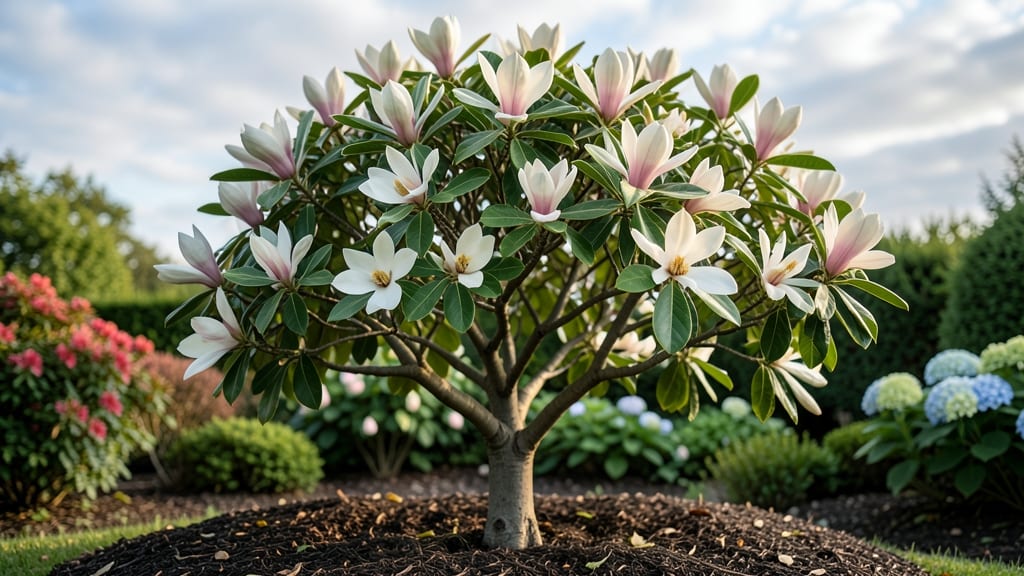
Magnolia trees grow anywhere from 10 feet to towering 80 feet tall, depending on the species and how you care for them.
Dreaming of a stunning magnolia tree but worried it’ll dwarf your small yard? The good news is that some varieties stay compact while others soar—here’s how to choose the perfect fit for your space.
If you’re planting a Southern Magnolia 🌳, expect a majestic giant that needs room to stretch its branches, while a Star Magnolia or 'Little Gem' will fit neatly into a cozy corner. The difference comes down to species, sunlight, and a little pruning know-how.
Below, I break down the height ranges by variety, how fast they grow, and the space-saving tricks that keep them manageable—so you can enjoy those fragrant blooms without sacrificing your yard.


Magnolia tree height ranges: from dwarf to towering giants
Magnolias are stunning ornamental trees that offer breathtaking blooms, but their mature sizes can vary dramatically—from dwarf varieties that fit cozy patios to towering giants that dominate landscapes.
Understanding these height ranges helps you choose the perfect magnolia for your space, whether you have a small urban yard or a sprawling estate. The key is matching the tree’s mature size to your available room, while also considering its growth rate and spread.
Most magnolias fall into three broad height categories: dwarf (under 10 ft), small to medium (10–20 ft), and large to giant (30+ ft).
Some species, like the Southern Magnolia, can reach 80 feet tall, while others, like the Jane magnolia, stay under 10 feet. Growth rates also differ—some grow just 6 inches per year, while faster varieties can add 2 feet annually in ideal conditions.
Let’s break down the specifics so you can make an informed choice.
If you’re working with limited space, dwarf magnolias like Magnolia stellata or Magnolia 'Black Tulip' are excellent choices. These varieties thrive in containers or as focal points in small gardens, offering fragrant blooms without overwhelming your landscape.
Their slower growth rates—typically 6–12 inches per year—make them easier to manage over time. Just ensure they get morning sun and afternoon shade to prevent leaf scorch.
For medium-sized yards, varieties like Magnolia 'Little Gem' strike a balance. They mature at 20–25 feet but grow at a steady 12–24 inches per year, making them ideal for privacy screens or foundation plantings.
These trees also produce stunning flowers in spring, adding seasonal interest without dominating your property. Pair them with mulch to retain moisture and protect roots from temperature fluctuations.
On the other end of the spectrum, towering magnolias like the Southern Magnolia (Magnolia grandiflora) are showstoppers but require significant space. These giants can reach 60–80 feet tall and 20–30 feet wide, making them perfect for large estates, parks, or rural settings.
Their fast growth rate (12–36 inches per year) means they’ll fill out quickly, so plant them at least 20 feet away from structures, driveways, or sidewalks to avoid future issues.
One common misconception is that all magnolias grow at the same rate. In reality, growth speed depends on species, soil quality, sunlight exposure, and watering habits. For example, Magnolia 'Little Gem' grows faster in well-draining, slightly acidic soil with regular watering during dry spells.
Meanwhile, Magnolia stellata prefers partial shade and may grow slower in hot, sunny climates. Always check the USDA hardiness zone for your area—most magnolias thrive in zones 5–9, but some dwarf varieties extend into zone 4.
To control the height of any magnolia, prune strategically in late winter or early spring before new growth begins. Focus on removing suckers at the base and overcrowded branches to encourage a bushier, more compact shape.
Avoid heavy pruning in summer or fall, as this can stress the tree and reduce next year’s blooms. Use sterilized pruning shears to prevent disease spread, and always seal larger cuts with pruning sealant to protect the tree.
Before planting, measure your space twice—once for the tree’s mature height and again for its spread. A 20-foot-tall magnolia with a
Best space-saving Magnolia varieties for small yards
If you love the romantic blooms of magnolias but lack space for towering giants, don’t worry—there are stunning compact varieties perfect for small yards. These dwarf and semi-dwarf magnolias grow just 8 to 20 feet tall, making them ideal for patios, foundation plantings, or even large containers.
The key is choosing the right variety and providing proper care to keep them manageable.
Most magnolias grow slowly, but their mature height depends entirely on the species. Some, like Magnolia stellata, naturally stay under 10 feet, while others like Magnolia 'Little Gem' max out around 15 feet.
The trick is selecting one that fits your space and pruning strategically to control growth. Let’s explore the top 5 space-saving options and how to keep them thriving.
Magnolia Height Comparison: Compact vs. Standard Varieties
Ideal for small yards
- 🌱 8–15 ft mature height
- 🌿 Grows 6–12 inches/year
- ✂️ Minimal pruning needed
Requires more space
- 🌳 20–80 ft mature height
- 🌿 Grows 12–24 inches/year
- ✂️ Needs regular pruning to control
- 🌿 Fits patios and small gardens
- ☀️ Thrives in partial shade
- 💧 Low water needs once established
- 🌱 Slower growth rate (takes years to mature)
- ❄️ Needs protection in cold climates
- 🪴 Container growth limits root expansion
For smallest spaces, Magnolia stellata (Star Magnolia) is my top pick—it tops out at just 10–12 feet and bursts with fragrant white or pink blooms in early spring. Plant it near a south-facing window or under a dwarf evergreen to highlight its delicate flowers.
Another winner is Magnolia 'Black Tulip', a striking dark purple cultivar that stays under 15 feet and thrives in USDA Zones 5–9.
If you prefer a semi-evergreen option, Magnolia 'Little Gem' is a standout—it grows to 15–20 feet but has a narrow, columnar shape that saves space. This variety also produces creamy-white flowers in spring and glossy dark green leaves year-round.
For a bold statement, try Magnolia 'Jane', a dwarf saucer magnolia that stays under 12 feet and blooms with large, fragrant white flowers.
To keep these magnolias compact, plant them in well-draining soil with partial sunlight (4–6 hours of morning sun). Avoid over-fertilizing, as this encourages rapid growth. Instead, focus on mulching around the base to retain moisture and prune lightly in late winter to shape the tree.
With the right care, these varieties will reward you with decades of blooms without overwhelming your yard.
For maximum impact, pair your compact magnolia with low-growing perennials like hostas or ferns to create a lush understory. Place it near a pathway or seating area so you can enjoy its fragrance up close.
Just remember: patience is key—most magnolias take 3–5 years to reach their full flowering potential, but the wait is worth it.