
How To
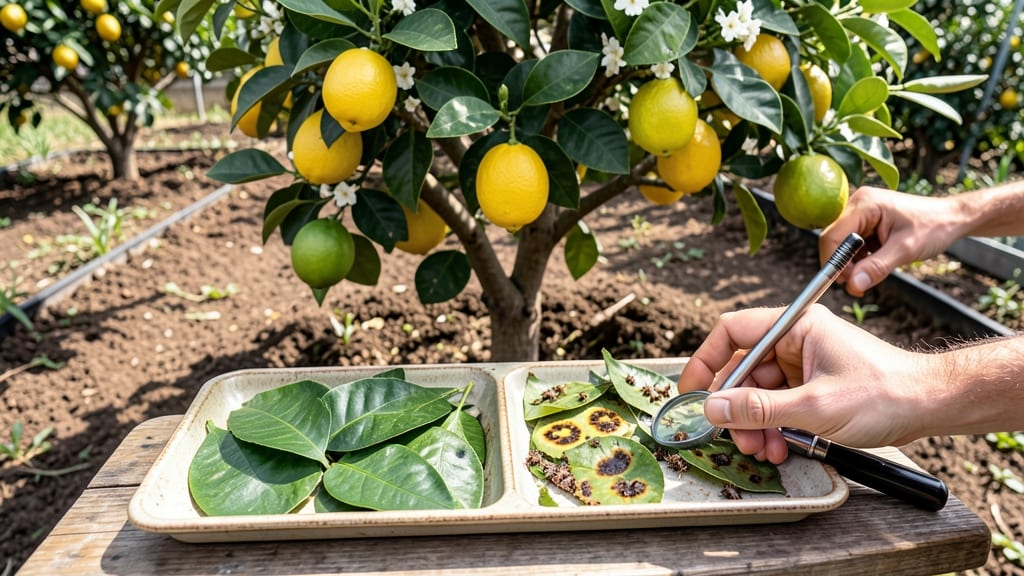
Identifying citrus tree diseases early saves your harvest before it's too late. 🌿 I've seen citrus canker turn a lush lemon tree into a skeleton in weeks—until I learned to spot those tiny, water-soaked spots on leaves before they spread.
The key is catching symptoms fast: discolored leaves, oozing lesions, or wilting branches that won't bounce back.
Most diseases start with subtle clues like yellowing between leaf veins (a classic sign of greasy spot) or dark, sunken patches on fruit (that's citrus scab). Root rot hides underground until you notice stunted growth or leaves that suddenly droop even when the soil is wet.
I've treated trees at every stage, and the ones I caught early always recover—some even better than before.
You'll learn to distinguish between fungal infections (like melanose with its dark streaks) and bacterial ones (like citrus canker with its raised, crusty lesions). The right spray or pruning technique at the right time makes all the difference.
By the end, you'll confidently diagnose problems before they ruin your tree's health—or your morning glass of fresh orange juice.
Works for backyard lemon, lime, and grapefruit trees in any climate. The same principles apply whether you're dealing with a single plant or a full grove. Let's get those trees healthy again—before the pests win.
Underlying Causes Explained
Citrus tree diseases rarely appear out of thin air—they’re the result of a perfect storm of environmental stress, microbial invaders, or poor growing conditions. Understanding the root causes helps you take preventive action before symptoms even show up.
Below, we break down the most common triggers, from fungal spores to nutrient deficiencies, so you can protect your trees like a pro.
Citrus trees are under siege by microscopic enemies that exploit weak spots in their defenses. Here’s how these invaders gain the upper hand:
- Fungal Spores: The Silent Saboteurs Fungi like Phytophthora (root rot) or Alternaria (leaf spot) thrive in moist, warm conditions—think humid summers or poorly draining soil.
Spores land on leaves, stems, or roots, germinate when moisture lingers, and penetrate the tree’s tissue through tiny wounds (like pruning cuts or insect bites).
Once inside, they multiply rapidly, clogging xylem vessels and disrupting nutrient flow. - Pro Tip: 🌡️ Fungal growth peaks at 70–85°F with high humidity. Early morning watering (instead of overhead sprinklers) reduces spore splash onto leaves.
- Bacterial Blight: The Fast Spreaders Bacteria such as Xanthomonas (causing citrus bacterial spot) hitchhike on tools, wind, or rain to infect new trees. They enter through stomata (leaf pores) or wounds, then ooze out as yellow, watery lesions that darken and ooze.
Unlike fungi, bacteria multiply inside the tree’s vascular system, blocking water transport and leading to wilting. - Key Trigger: 🌧️ Heavy rain or overhead irrigation spreads bacteria like wildfire. Prune during dry weather to minimize open wounds.
- Viruses: The Sneaky Hitchhikers Viruses (e.g., Citrus Tristeza Virus) rely on insect vectors (like aphids) or contaminated grafting tools to jump from tree to tree. Once inside, they hijack the tree’s cells, causing stunted growth, leaf mottling, or dieback.
Unlike fungi/bacteria, viruses cannot be cured—only managed through strict hygiene and resistant rootstock.
Your citrus tree’s health isn’t just about pests—it’s also about the climate, soil, and care you provide (or neglect). These factors weaken defenses, making trees vulnerable to diseases:
- Poor Drainage: The Root of Rot Citrus trees hate soggy feet. Waterlogged soil cuts off oxygen to roots, inviting Phytophthora and other pathogens. Signs?
Yellowing leaves, stunted growth, and roots that smell like rot. - Fix It: 🏗️ Raise beds or amend soil with compost + perlite to improve aeration. Avoid planting in low-lying areas where water pools.
- Nutrient Deficiencies: Weakening the Immune System A tree starved of nitrogen, zinc, or magnesium can’t fight off diseases.
For example: - Low nitrogen → Pale leaves → Slower growth → Easier fungal entry. - Zinc deficiency → Stunted shoots → Poor resistance to Alternaria. - Magnesium deficiency → Yellowing between leaf veins → Weakened cell walls. - Test It: 📊 Soil tests (available through extension offices) reveal gaps.
Fertilize with citrus-specific blends (high in micronutrients) in early spring.
- Extreme Temperatures: Shock to the System
- Cold snaps (<28°F) damage cell membranes, making trees susceptible to bacterial canker or root rot.
- Heat stress (>95°F) opens stomata longer, letting fungi like Melanose (a black spot disease) slip in.
- Protect It: 🌿 Mulch heavily in winter, use frost cloth for young trees, and provide afternoon shade in scorching climates.
Every cut, scrape, or insect bite is a backdoor for pathogens. Here’s how damage sets the stage for disease:
- Pruning Wounds: The Gateway for Infection Jagged cuts or over-pruning expose xylem tissue, which fungi/bacteria love. Improper tools (dull shears) crush cells, delaying healing. - Do It Right: ⏰ Prune in dry weather with sterilized, sharp tools (bleach solution between cuts).
Make cuts at a 45° angle just outside the branch collar.
- Insect Pests: The Unwanted Drill Sergeants Aphids, scale, and citrus leafminers chew or suck sap, creating entry points for diseases like greening (HLB). Their honeydew also feeds sooty mold fungi. - Combat Them: 🔥 Neem oil sprays (early intervention) or parasitic wasps (for scale).
Inspect leaves weekly for sticky residue or tiny eggs.
- Mechanical Injury: Lawnmowers, Weed Whackers, and More Accidental damage from string trimmers or foot traffic can introduce pathogens. Even harsh winds (e.g., hurricane-force) tear bark, inviting canker bacteria.
- Prevent It: 🛡️ Create a 3-foot buffer around trees with mulch or ground cover. Stake young trees in windy areas.
Sometimes, well-meaning practices backfire. These common gardening blunders create the perfect disease conditions:
- Overhead Irrigation: The Disease Delivery System Splashing water spreads spores and bacteria from the soil to foliage. Drip irrigation or soaker hoses eliminate this risk by delivering water at the roots.
- Overcrowding: Stifling Growth and Airflow Trees packed too closely retain moisture on leaves longer, trapping fungal spores. Aim for 15–20 feet spacing between citrus trees for proper airflow.
- Ignoring Sanitation: The Pathogen Party Leaving infected leaves, fruit mummies, or pruning debris on the ground is like rolling out a red carpet for diseases.
Fungi/bacteria overwinter in organic matter, ready to reinfect next season. - Clean Up: 🧹 Rake and dispose of fallen leaves/fruit in trash (not compost). Sterilize tools with 70% rubbing alcohol between uses.
Remember: Most citrus diseases are preventable when you address these root causes. The key? Proactive care—healthy soil, smart watering, and vigilant pest control—keeps your trees resilient. Next up, we’ll dive into early warning signs so you can catch problems before they spread!
How to Fix Citrus Tree Troubles
Once you’ve spotted the signs, it’s time to act! Citrus trees are resilient, but early intervention is key to saving them. Below, we’ve mapped out practical, step-by-step solutions for the most common citrus diseases, along with prevention tips to keep your trees thriving.
Think of this as your citrus tree first-aid kit—ready to tackle issues before they escalate.
Fix: This bacterial disease creates sunken, oozing lesions. Isolate infected trees immediately to prevent spread, then:
- 🔪 Prune infected branches at least 6 inches below the lesion using sterilized pruners (wipe with rubbing alcohol between cuts).
- 🧼 Clean up debris—burn or bag infected leaves/branches (do not compost).
- 💦 Apply copper fungicide (like Copper Sulfate) every 2–4 weeks during wet seasons.
- 🌡️ Improve air circulation by thinning dense foliage.
Prevention:
- 💡 Space trees 10–15 feet apart to reduce humidity.
- 🌧️ Avoid overhead watering—use drip irrigation instead.
- 🛡️ Spray copper fungicide preventatively in spring before blooms appear.
Fix: Yellow spots with greasy, oily edges? This fungal disease thrives in wet conditions. Act fast:
- 🚿 Spray trees with a baking soda solution (1 tbsp baking soda + 1 tsp dish soap + 1 gallon water) every 7–10 days.
- 🍄 Apply fungicide (like Neem Oil or Chlorothalonil) weekly during rainy seasons.
- 🌿 Remove and destroy infected leaves to stop spores from spreading.
Prevention:
- ✨ Prune for airflow—don’t let branches touch each other.
- 🌧️ Water in the morning so foliage dries quickly.
- 🔄 Rotate fungicides to prevent resistance.
Fix: Mushy stems, yellowing leaves, and foul-smelling roots? Root rot is deadly—but reversible if caught early.
- 💧 Check drainage—dig a hole near the tree. If water pools after 30 minutes, amend soil with sand/compost.
- 🪴 Repot or mound soil around the base to improve aeration.
- 🌱 Reduce watering—let the top 2 inches of soil dry before watering again.
- 🧴 Apply hydrogen peroxide (3%) to soil (1 cup per gallon of water) to kill fungus.
Prevention:
- 🏗️ Plant in well-draining soil (mix sand or perlite if needed).
- 🚫 Avoid overwatering—citrus trees hate soggy roots!
- 🌡️ Mulch lightly (2–3 inches) to regulate moisture.
Fix: Raised, scabby lesions on fruit/leaves? Scab fungus loves humidity.
- 🧹 Remove and destroy infected fruit/leaves immediately.
- 🍄 Spray sulfur-based fungicide (like Liqui-Cop) every 2 weeks during wet periods.
- 🌿 Thin canopies to improve airflow.
Prevention:
- 🌧️ Water early in the day to prevent prolonged leaf wetness.
- 🍎 Prune for sunlight—dense trees stay too damp.
- 🔄 Alternate fungicides (e.g., sulfur, copper, neem) to avoid resistance.
Fix: No treatment exists for this viral disease, but you can slow its spread:
- 🪴 Remove infected trees immediately—burn or bag them.
- 🐛 Control aphids (they spread the virus) with soapy water sprays or insecticidal soap.
- 🌱 Plant resistant varieties like ‘Satsuma’ mandarins if in high-risk areas.
Prevention:
- 🛡️ Inspect new trees before planting—buy from certified virus-free nurseries.
- 🚫 Avoid grafting infected scions—sterilize tools between uses.
- 🌡️ Monitor soil pH (citrus thrives at 6.0–7.0—test yearly).
- 🍽️ Fertilize in early spring with citrus-specific fertilizer (high in nitrogen).
- 👀 Inspect trees weekly—catch issues before they worsen!
Remember: The best cure is prevention—healthy trees are disease-resistant trees! With these fixes, your citrus grove (or backyard tree) will be back to producing juicy, disease-free fruit in no time. 🍋✨
Frequently asked questions
What's the first thing I should do if I see suspicious spots on my citrus leaves?
Isolate the affected tree immediately to prevent spread. Take a close look at the spots—are they oily (greasy spot), crusty (canker), or sunken (scab)? Snap photos and compare with online guides. Early action gives you the best chance of saving your tree.
Can I use the same fungicide for all citrus diseases?
No—different diseases need different treatments. Copper works for bacterial canker, while sulfur-based fungicides target scab. Always match the fungicide to the specific disease. Rotating treatments prevents resistance and keeps your trees protected season after season.
How do I know if my citrus tree has root rot or just needs more water?
Check the soil first—if it's soggy even 2 inches deep, it's likely root rot. Healthy roots should smell earthy, not foul. Gently pull back the mulch: if roots are brown/mushy, you've got rot. Overwatering trees just need adjusted watering schedules.
Will pruning help prevent citrus diseases?
Proper pruning improves airflow and removes infected branches. Always use sterilized tools and cut at 45° angles just outside the branch collar. Prune during dry weather to minimize open wounds that attract pathogens.
Can I save a tree with citrus greening (HLB) disease?
There's no cure for HLB, but you can slow its spread. Remove infected trees immediately and control aphids (their vectors) with soapy water sprays. Plant resistant varieties like 'Satsuma' mandarins if you're in a high-risk area. Prevention is your best defense.