
Pests and Diseases
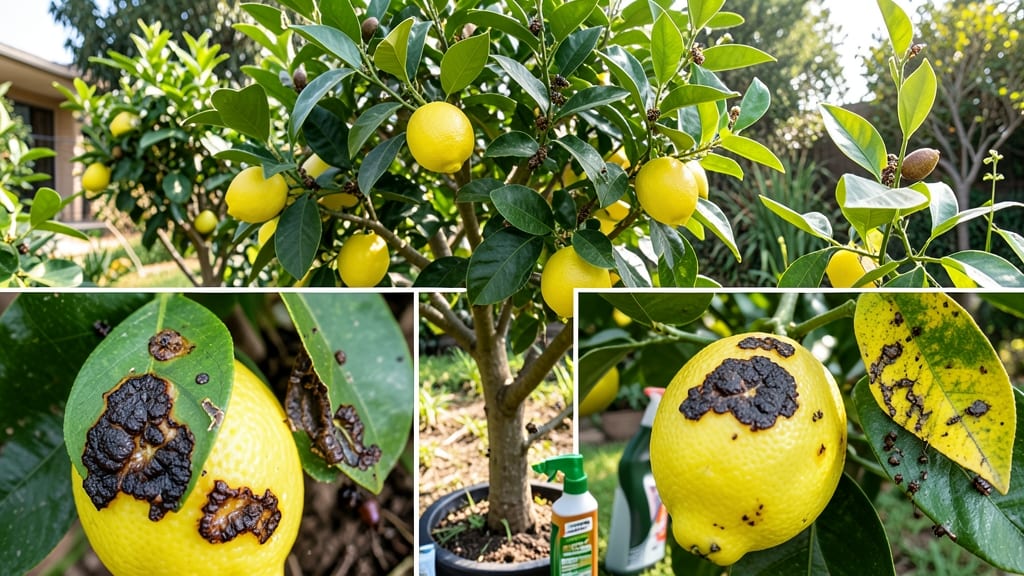
Your lemon tree’s yellowing leaves or sticky stems aren’t just cosmetic—they’re warning signs of lemon tree diseases and pests that demand attention. 🌿 I’ve battled citrus canker and aphid infestations that turned healthy trees into shadows of themselves, but these 12 threats have predictable patterns once you know what to watch for.
The real damage happens when you ignore early symptoms: tiny black spots on leaves (citrus canker), webbing between branches (spider mites), or hollow stems (root rot). Most gardeners wait too long—by then, the tree’s already stressed, and treatments take months to work.
The good news? Catching these early means saving your tree with simple fixes like neem oil sprays or proper drainage.
You’ll learn to spot each threat within minutes of inspecting your tree, from the telltale crunch of leaf miners to the oozing sores of bacterial blight.
With the right tools (a magnifying glass, a bucket of soapy water, and a few organic sprays), you’ll stop outbreaks before they spread to your entire harvest.
This works for backyard trees, container-grown citrus, and even those tricky dwarf varieties. The key is acting fast—once you recognize the patterns, your lemon tree will stay lush and productive for years. Let’s get those branches healthy again.
Root Causes Behind Tree Troubles
Lemon trees, with their vibrant foliage and fragrant blossoms, are surprisingly vulnerable to a mix of biological and environmental stressors. Understanding why these issues arise is the first step to prevention—and here’s the science behind the chaos.
Fungal diseases like citrus greening (HLB) or anthracnose thrive when conditions are damp and stagnant. Here’s why:
- Overwatering or poor drainage: Lemon trees hate "wet feet." Excess moisture in the soil creates the perfect breeding ground for fungal spores. If water pools around the roots or the canopy stays wet for extended periods, fungi like Phytophthora (root rot) or Colletotrichum (anthracnose) latch on.
- Dense foliage blocking airflow: Fungal spores spread via wind or splashing water. If branches are overcrowded or leaves are thick, humidity lingers, and spores can’t escape. This is why pruning isn’t just cosmetic—it’s a health necessity.
- Warm, humid climates: Fungi love temperatures between 75–90°F (24–32°C). If your lemon tree is in a tropical or subtropical zone with high humidity, fungal pressure increases exponentially.
Pro Tip: 💡 Space trees 6–8 feet apart, prune regularly, and water at the base (not overhead) to keep fungi at bay.
Pests like aphids, scale insects, or citrus leaf miners don’t randomly attack healthy trees—they target stressed ones. Here’s the chain reaction:
- Nutrient deficiencies: A tree lacking nitrogen, zinc, or magnesium produces weak, thin leaves—an all-you-can-eat buffet for sap-sucking pests. Aphids, for example, detect stressed plants through volatile organic compounds (VOCs) emitted when cells are damaged.
- Drought stress: When roots can’t access water, the tree’s phytohormones (chemical signals) shift, making it more attractive to pests like spider mites. These tiny arachnids thrive in dry conditions because their eggs desiccate slower on stressed plants.
- Physical damage (pruning wounds, hail): Open wounds expose the tree’s phloem (sap-rich tissue), which pests like citrus psylla exploit to lay eggs. Even bird peck marks can create entry points for bacteria.
Pro Tip: 🌡️ Monitor soil moisture with a moisture meter and fertilize with balanced citrus-specific nutrients (e.g., 6-6-6 NPK) to deter pests.
Bacterial diseases like citrus bacterial spot (CBS) or canker spread through open wounds or contaminated equipment. The mechanics:
- Pruning with unsterilized tools: Bacteria like Xanthomonas axonopodis (CBS) can hitch a ride on shears, knives, or even your fingers. A single cut with a dirty tool introduces the pathogen directly into the tree’s vascular system.
- Rain splashing bacteria onto leaves: CBS spores survive in water droplets. If rain or overhead irrigation splashes infected leaf debris onto healthy foliage, new infections take hold within 3–7 days.
- High humidity + warm nights: Bacteria multiply fastest at 77–86°F (25–30°C) with >90% humidity. Coastal or subtropical growers are at higher risk.
Pro Tip: ✨ Sterilize pruners with 70% isopropyl alcohol between cuts and avoid watering leaves to prevent bacterial spread.
Viruses (e.g., tristeza virus) don’t spread on their own—they rely on insect vectors. Here’s how it works:
- Aphids and whiteflies feed on infected plants, then transmit the virus to healthy ones via their saliva while feeding. It’s like a biological syringe.
- Grafting infected scions: If you propagate your lemon tree from a cutting taken from a diseased plant, the virus travels straight into the new rootstock.
- Weakened immune response: Viruses exploit trees already stressed by nutrient deficiencies, drought, or fungal infections, making them more susceptible to infection.
Pro Tip: 🎯 Use yellow sticky traps to monitor aphid/whitefly populations and remove them before they become a vector threat.
Most lemon tree problems stem from a mix of environmental mismanagement and biological opportunism. The good news? Knowledge is your best defense. By addressing moisture, nutrition, and hygiene, you can starve out pests and pathogens before they gain a foothold.
Quick Fixes for Lemon Tree Troubles
When your lemon tree shows signs of distress—whether it’s yellowing leaves, sticky sap, or mysterious holes—acting fast can save the day. Below, we’ve mapped out practical, step-by-step solutions for the most common lemon tree diseases and pests, along with prevention tips to keep your tree thriving.
Think of this as your emergency repair kit for a happy, healthy citrus tree! 🌿💥
---
Fungal infections thrive in damp conditions, so drainage, airflow, and hygiene are your best defenses.
#### 🔥 Root Rot (Phytophthora) Fix It: - 👨🍳 Step 1: Stop the Water Log – Move the tree to a well-draining spot (or raise the pot if in a container).
Ensure the pot has drainage holes. - 💧 Step 2: Adjust Watering – Let the top 2 inches of soil dry out before watering again.
Use a moisture meter if needed. - ✂️ Step 3: Trim Damaged Roots – Gently remove the tree from its pot (or dig around the base if planted in the ground).
Prune soft, black, or mushy roots with sterilized shears. - 🌱 Step 4: Repot or Replant – Use fresh, sterile potting mix (avoid garden soil).
Add perlite or sand to improve drainage. - 💊 Step 5: Fungicide Treatment – Apply a copper-based fungicide (like Cupric Hydroxide) every 7–10 days for 3 weeks.
💡 Prevention Tips: - Never let the tree sit in standing water—containers need saucers, but empty them after watering. - Avoid overhead watering—water at the base to keep foliage dry. - Sterilize tools after pruning to prevent spreading spores.
---
#### 🍄 Powdery Mildew (White Fuzzy Coating) Fix It: - 🌬️ Step 1: Improve Airflow – Prune overcrowded branches to increase spacing between leaves (aim for 6–12 inches apart). - 🚿 Step 2: Clean the Leaves – Wipe leaves with a mild soap solution (1 tsp dish soap + 1 quart water) using a soft cloth or spray bottle. - ☀️ Step 3: Boost Sunlight – Move the tree to a sunnier spot (6+ hours of direct light daily). - 💊 Step 4: Fungicide Spray – Use neem oil or sulfur-based fungicide (follow label instructions).
Spray both sides of leaves and repeat every 7–10 days until gone.
💡 Prevention Tips: - Water in the morning so leaves dry quickly. - Space trees 3–4 feet apart if planting multiple. - Avoid nitrogen-heavy fertilizers, which encourage lush (but mildew-prone) growth.
---
These critters drain your tree’s vitality—early detection is key!
#### 🐛 Scale Insects (Sticky, Bumpy Spots) Fix It: - 🔍 Step 1: Identify the Infestation – Look for small, brown bumps on stems/leaves (like tiny shields).
Wipe one with a cotton swab—if it leaves a sticky residue, it’s scale. - 🧼 Step 2: Manual Removal – Dab each scale with a cotton ball soaked in rubbing alcohol (70% isopropyl).
Repeat 3–4 times over 2 weeks. - 🌿 Step 3: Horticultural Oil Spray – Apply dormant oil (like Neem Oil) to smother eggs and adults.
Spray early morning or late evening (avoid direct sun). - 🐝 Step 4: Introduce Beneficial Insects – Release ladybugs or parasitic wasps (available at garden centers) to eat scale naturally.
💡 Prevention Tips: - Inspect new plants before bringing them home. - Keep the area weed-free—weeds harbor pests. - Avoid over-fertilizing—stressed trees attract scale.
---
#### 🐜 Spider Mites (Tiny Webs + Yellow Spots) Fix It: - 💦 Step 1: Blast Them Off – Spray the tree with a strong stream of water (mimics rain) to knock off mites.
Do this every 2–3 days for a week. - 🌿 Step 2: Neem Oil Treatment – Mix 1 tbsp neem oil + 1 tsp mild soap + 1 quart water.
Spray undersides of leaves (mites love hiding there). - 🕷️ Step 3: Encourage Predators – Place sticky traps nearby to monitor mite activity. Predatory mites (like Phytoseiulus persimilis) can be bought to control them.
💡 Prevention Tips: - Mist leaves regularly in dry climates. - Use a fine-mesh row cover if mites are a recurring issue. - Avoid broad-spectrum pesticides—they kill beneficial insects that eat mites.
---
These are trickier to treat, but sanitation and removal can stop the spread.
#### 🦠 Citrus Canker (Oozing Sores) Fix It: - ✂️ Step 1: Prune Infected Areas – Cut off all infected branches (1–2 inches below the lesion) using sterilized shears (wipe with rubbing alcohol between cuts). - 🔥 Step 2: Burn or Dispose – Do not compost infected plant material—burn it or bag it to prevent spread. - 💊 Step 3: Copper Fungicide Spray – Apply copper hydroxide every 10–14 days for 3 months (even if symptoms disappear). - 🏡 Step 4: Quarantine the Tree – Keep it separate from other citrus plants until fully recovered.
💡 Prevention Tips: - Avoid overhead watering—water at the base. - Clean tools after every use. - Buy disease-resistant varieties like ‘Meyer’ lemons if canker is common in your area.
---
No matter the issue, these boosters help your lemon tree bounce back: - 🌞 Light Check: Ensure 6+ hours of sunlight daily—weak trees attract pests. - 💧 Water Wisely: Deep watering 2–3 times a week (less in winter) is better than daily shallow watering. - 🍽️ Feed Right: Use a balanced citrus fertilizer (like 6-6-6) every 2–3 months in growing season. - 🌿 Mulch: Add 2–3 inches of mulch (wood chips or straw) to retain moisture and deter weeds.
--- ✨ Pro Tip: Keep a tree health journal—note when you prune, water, and treat pests. Patterns emerge over time, helping you prevent future outbreaks! 📖🌱
Frequently asked questions
How can I tell if my lemon tree has a fungal infection vs. pest damage?
Fungal issues like powdery mildew or root rot often show as fuzzy white coatings, black spots, or soft, mushy stems. Pests like aphids or scale insects leave sticky residue, tiny webs, or chewed leaves. Check undersides of leaves first—pests hide there, while fungi spread across surfaces. If you see both, you may have a secondary infection from pest damage.
Is neem oil safe to use on lemon trees during fruit production?
Yes, but use it carefully! Neem oil is organic and effective against many pests, but apply it early in the morning or late evening to avoid harming bees. Avoid spraying directly on flowers or fruit when bees are active. For trees with fruit, dilute neem oil more (follow package instructions) and reapply every 7–10 days until pests are gone.
Why does my lemon tree keep getting spider mites even after treatment?
Spider mites thrive in dry, hot conditions and can develop resistance to treatments. First, increase humidity by misting leaves daily. Then, combine neem oil with a predatory mite release (like Phytoseiulus persimilis). Rotate treatments—don’t rely on one method. Also, check for hidden pests like whiteflies, which stress trees and attract mites.
Can I save a lemon tree with citrus greening (HLB) disease?
Unfortunately, HLB (citrus greening) has no cure, but you can slow its spread. Remove infected trees immediately to prevent bacterial spread. Quarantine healthy trees, sterilize tools between cuts, and avoid moving plants from infected areas. Focus on keeping remaining trees stress-free—proper watering, sunlight, and nutrition may delay symptoms for a few years.
How often should I inspect my lemon tree for early signs of trouble?
Check your tree weekly during growing season (spring-fall) and monthly in winter. Look for unusual spots, sticky residue, or chewed leaves on the top and bottom of leaves. Early detection is key—most issues are easier to treat when caught before they spread. Keep a small magnifying glass handy for close-ups of tiny pests or fungal spores.