
How To
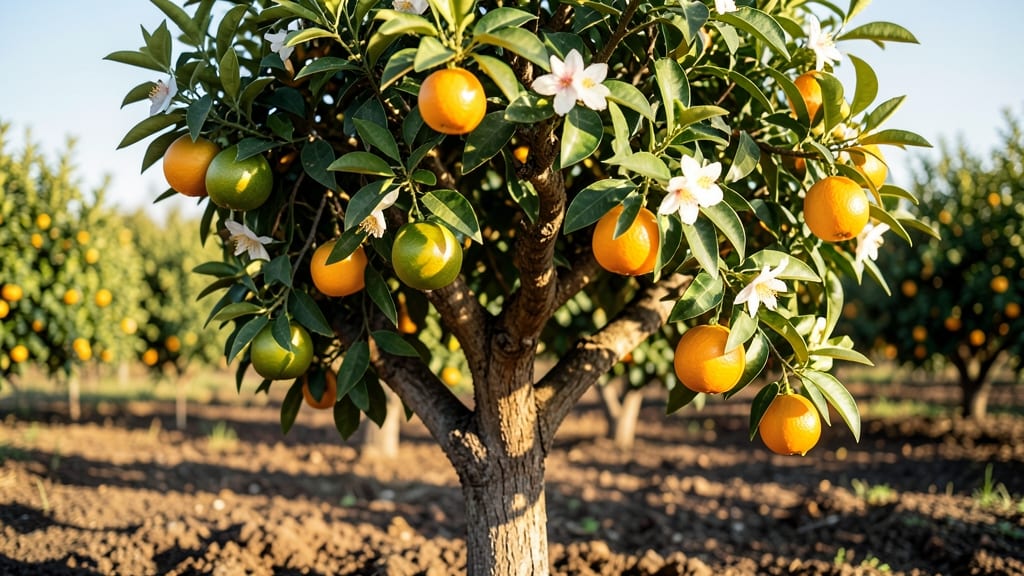
Wondering how tall an orange tree can grow? Heights range from 8 feet to towering 40 feet, depending on the variety and growing conditions you choose.
Dreaming of a backyard bursting with citrus fragrance and juicy oranges? The height of your 🍊 orange tree at maturity isn’t just about space—it determines your harvest potential, pruning needs, and even which varieties will thrive in your climate.
In USDA Zone 6, where winters can be harsh, dwarf varieties like the Calamondin stay manageable at 8-12 feet, while standard types like Valencia can reach 20-40 feet if left unchecked. That’s the difference between a container-friendly patio tree and a small forest in your yard.
Below, I’ll break down the exact mature heights for 10+ popular varieties, how to control growth naturally, and the 3 biggest mistakes that turn your citrus dream into a pruning nightmare.


Orange tree height by variety: dwarf to giant mature sizes explained
Choosing the right orange tree variety isn’t just about flavor—it’s about space planning. Some varieties stay compact enough for containers or patios, while others reach towering heights that need yard space and professional pruning.
Whether you're dreaming of backyard groves or balcony citrus, knowing mature heights helps you pick the perfect fit for your garden.
The height of an orange tree at maturity depends on rootstock type, pruning habits, and growing conditions. Dwarf varieties can stay under 10 feet, while standard trees may soar to 40 feet or more.
Below, I’ve broken down the most popular varieties, their mature heights, and spacing needs to help you plan your citrus haven.
If you’re growing oranges in containers, prioritize dwarf or semi-dwarf varieties like Calamondin or Improved Meyer. These stay under 10 feet and thrive in 15–25 gallon pots with proper drainage.
For in-ground planting, leave at least 10–15 feet between standard trees like Valencia or Blood Orange to ensure airflow and sunlight penetration.
Pruning plays a huge role in controlling height. Regular pruning (2–3 times per year) can keep even standard varieties manageable. For example, a Valencia Orange left unpruned may reach 30 feet, but with annual topping, you can cap it at 15–20 feet.
Always prune in late winter or early spring to avoid damaging new growth.
Another key factor is rootstock selection. Dwarfing rootstocks like Citrange Carrizo or Swingle Citrumelo can reduce mature height by 50% or more. If you’re grafting your own trees, choose the right rootstock to control size from the start.
For instance, a Navel Orange grafted onto Carrizo rootstock will stay around 10–12 feet instead of 20+ feet.
For urban gardeners with limited space, consider espalier training. This method flattens the tree against a
How climate Zones affect orange tree growth height and pruning needs
Your USDA climate zone plays a starring role in how tall your orange tree grows and how often you’ll need to prune it.
In Zones 8-11, where citrus thrives year-round, orange trees can reach their full mature height potential—some varieties even hitting 30-40 feet—while colder zones force dwarf or cold-hardy varieties to stay compact.
The key difference? Tropical varieties like Valencia or Navel grow aggressively in warm climates, while cold-hardy hybrids (like 'Frostbite' oranges) stay under 10 feet in Zones 7-8.
Container-grown orange trees in Zones 9-11 also grow slower than in-ground trees, but their height control is easier with regular pruning. In-ground trees, however, can become unmanageable without strategic seasonal pruning.
For example, a Meyer lemon in Zone 10 might hit 12-15 feet in 5 years, while the same tree in a 15-gallon pot in Zone 9 will max out at 8-10 feet with proper care.
- 1 Zone 8: Cold-hardy varieties like 'Frostbite' oranges grow 6-10 feet tall; prune in late winter to remove dead wood.
- 2 Zone 9: Standard varieties (e.g., Valencia) reach 15-20 feet; prune twice yearly—spring for shape, fall for cleanup.
- 3 Zone 10: Tropical varieties (e.g., Navel) grow 20-30 feet tall; prune year-round to manage height in small spaces.
- 4 Zone 11: Giant varieties (e.g., Blood oranges) can exceed 40 feet; use escalade pruning to train vertically.
- 5 Containers: All zones—limit height to 6-8 feet with topping pruning every 2 years to encourage bushiness.
In Zones 8-9, where frost is a risk, your pruning strategy shifts to protective shaping in late winter. Focus on removing suckers (shoots at the base) and crossing branches to improve airflow, which reduces frost damage.
For example, a Calamondin orange in Zone 8 will stay under 8 feet if you prune aggressively in February and August.
If you’re growing orange trees in containers, your pruning frequency increases dramatically. Potted trees in Zones 9-11 need quarterly pruning to prevent root-bound stress, which stunts growth. Use sterilized shears to cut back 1/3 of new growth in spring and lightly trim in fall to prep for dormancy.
This keeps container trees under 6 feet while maximizing fruit production.
For in-ground planting, prioritize vertical growth control in Zones 10-11 by pruning new shoots at the tips. This encourages horizontal branching, which supports heavier fruit loads.
For instance, a Meyer lemon in Zone 10 will bear more fruit if you prune 6-8 inches from the top of each branch annually. Always prune in morning hours to avoid stressing the tree.
Remember, over-pruning can reduce fruit yield, while under-pruning leads to unmanageable height. Strike a balance by focusing on structural pruning—removing dead wood and water sprouts—while leaving enough foliage for photosynthesis. With the right approach, even a 30-foot Valencia orange tree can fit beautifully in your landscape!