
How To
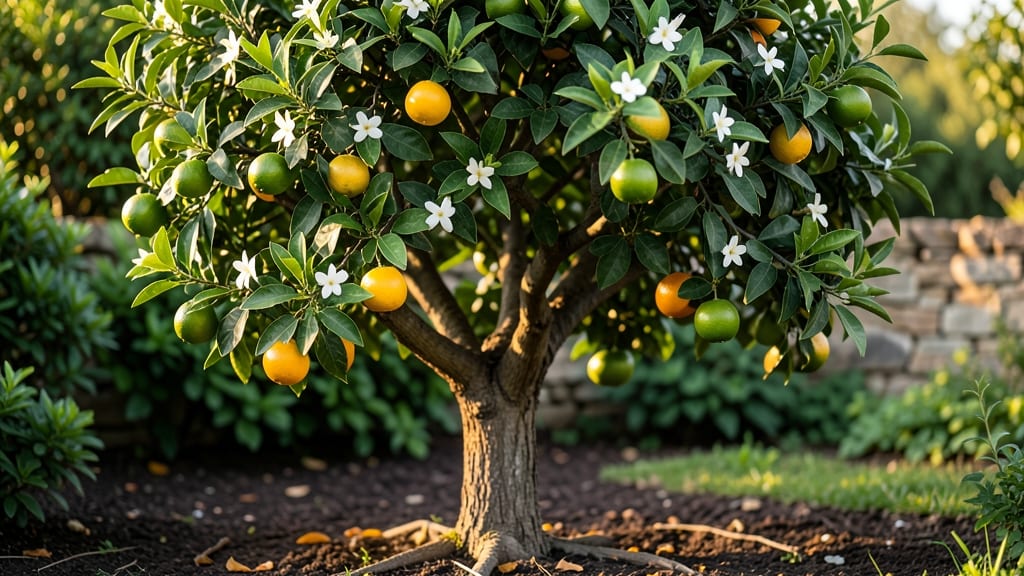
Deciding how tall does an orange tree grow means choosing between a towering standard variety and a compact dwarf—because the height difference can change everything from your yard layout to how many oranges you’ll actually pick.
Picture this: a 40-foot tree casting shade over your patio or a 6-foot dwarf that fits neatly in a container.
The choice isn’t just about space—it’s about how much fruit you’ll harvest, how easy it is to care for, and whether you’ll need a ladder (or a crane) to enjoy those juicy rewards.
Standard orange trees can reach 20 to 40 feet at maturity, while dwarf varieties stay between 6 and 12 feet, making them perfect for small gardens or even balconies.
But here’s the catch: even dwarf trees need the right conditions to stay small, and standard trees can be pruned to control their height—though they’ll still grow faster and taller over time.
In this guide, I’ll break down the height differences, how climate and pruning affect growth, and the best ways to pick the right size for your space—so you can grow an orange tree that fits your life, not the other way around.


Standard orange tree height: how big can they really get?
When you imagine an orange tree, visions of sprawling orchards in California or Florida might come to mind. Those towering citrus giants aren't just for large farms—many standard orange trees can thrive in home gardens too, though their mature height often reaches impressive proportions.
On average, a full-grown Valencia orange tree or Navel orange tree stands between 15 to 25 feet tall, with some varieties stretching up to 40 feet in ideal conditions. This makes them perfect for rural properties but challenging for smaller urban yards.
Understanding the growth rate of orange trees helps you plan for their long-term space needs. In their first year, a young tree might only grow 2 to 4 feet, but by year three, it can shoot up to 12 to 18 feet.
After that, growth slows slightly, but they continue gaining height and width for decades. The climate plays a huge role here—trees in warm, frost-free zones like USDA Zone 9 or higher grow faster and reach their full potential, while those in cooler regions may stay smaller or require winter protection.
If you're dreaming of a backyard citrus grove, here’s what you need to know about the height variations of standard orange trees and how to manage them:
Popular varieties like Valencia oranges are known for their sweet, juicy fruit and can grow up to 25 feet tall, while Navel oranges, prized for their seedless nature, often reach 30 feet in height.
These trees thrive in full sun and well-draining soil, but their size means they need plenty of space to spread their roots and branches. If your yard is on the smaller side, consider planting them near a southern fence or wall to maximize sunlight exposure while containing their growth.
One of the biggest factors influencing an orange tree’s height is pruning. Regular pruning not only helps control the tree’s size but also improves air circulation and fruit production. I recommend pruning in late winter or early spring before new growth begins.
Remove any dead, diseased, or crossing branches, and thin out the canopy to let sunlight reach the inner fruit. Just avoid heavy pruning in the fall, as it can stress the tree before winter dormancy.
For gardeners in cooler climates, like USDA Zone 8 or lower, standard orange trees may struggle to reach their full height due to frost damage.
In these areas, you might need to grow them in large containers that can be moved indoors during winter or invest in a dwarf variety that stays more manageable.
Even in ideal conditions, a standard orange tree can take 5 to 10 years to reach maturity, so patience is key if you're planning for a long-term harvest.
If you're considering planting a standard orange tree, think about the long-term commitment required. These trees are a permanent fixture in your landscape, so choose a location where they won’t outgrow their space.
For example, a 25-foot Navel orange tree planted near a patio might eventually cast shade over seating areas, which could be lovely in summer but problematic in winter. Always measure your space and consider the tree’s canopy spread, which can be just as wide as its height.
Another tip for managing height is to plant your orange tree near a support structure, like a trellis or sturdy branches, if you’re in a windy area. This can help guide its growth and prevent it from becoming top-heavy.
Additionally, mulching around the base with organic matter like wood chips or straw helps retain moisture, encourages root growth, and can even slightly slow the tree’s vertical growth by focusing energy on root development.
When it comes to fruit production, taller orange trees often yield more oranges, but they also require more care. Larger trees need deep watering (up to 20 gallons per week in hot months) and regular fertilization to support their growth.
If you’re not prepared for the maintenance of a full-size citrus tree, a dwarf or semi-dwarf variety might be a better fit for your space and lifestyle.
Remember, the height of your orange tree isn’t set in stone—with the right care, you can influence its growth to some extent.
Whether you’re growing a Valencia for juicing or a Navel for snacking, understanding its potential size helps you create a thriving citrus garden that fits your backyard perfectly. 🍊🌳
Dwarf orange trees: compact heights for small spaces
If your backyard or patio feels too small for a towering orange tree, don’t worry—dwarf varieties are perfect for tight spaces! These compact citrus trees typically reach 6 to 12 feet tall, making them ideal for containers, small yards, or even indoor growing with proper light.
Varieties like Calamondin and Improved Meyer thrive in limited spaces while still producing delicious fruit. Their slower growth rate also means less aggressive pruning compared to standard trees.
Dwarf orange trees grow at a slower rate than their full-size counterparts, reaching maturity in 3 to 5 years instead of a decade. This makes them a great choice for gardeners who want quick rewards without the long wait.
Plus, their manageable height (often under 10 feet) allows for easier harvesting and maintenance. Whether you’re growing in a 5-gallon pot or a raised bed, these trees adapt well to confined spaces.
| Variety | Mature Height | Growth Rate | Best For |
|---|---|---|---|
| Calamondin | 6–10 ft | Slow to moderate | Containers, indoor/outdoor |
| Improved Meyer | 8–12 ft | Moderate | Small yards, pots (15+ gallons) |
| Trovita | 6–8 ft | Slow | Dwarfing rootstock, containers |
| Clementine | 8–10 ft | Moderate | Small orchards, urban gardens |
To keep your dwarf orange tree compact and healthy, focus on regular pruning—especially in early spring before new growth begins. Remove suckers (shoots growing from the base) and overcrowded branches to encourage airflow and sunlight penetration.
Prune selectively to shape the tree while preserving its natural form. Avoid heavy pruning in late summer or fall, as this can stress the tree before winter.
Container growing is another great way to control height. Use a large pot (15+ gallons) with drainage holes and repot every 2–3 years to refresh the soil. Dwarf trees in containers need more frequent watering than in-ground trees, as pots dry out faster. Fertilize with a balanced citrus fertilizer every 4–6 weeks during the growing season to support fruit production without excessive leafy growth.
One of the biggest advantages of dwarf orange trees is their adaptability to urban environments. They tolerate partial shade better than standard trees, making them suitable for patios or balconies with 4–6 hours of sunlight.
Just ensure they’re protected from frost (below 25°F) and strong winds, which can damage delicate branches. With the right care, your mini citrus grove will thrive in even the smallest outdoor space!
For maximum fruit production, consider hand-pollinating flowers with a small brush if bees are scarce. Dwarf varieties like Improved Meyer often produce sweet, flavorful oranges that are perfect for fresh eating or juicing.
Just remember: patience is key—while they mature faster than standard trees, it still takes 2–3 years for a dwarf to bear its first fruit.