
Trees
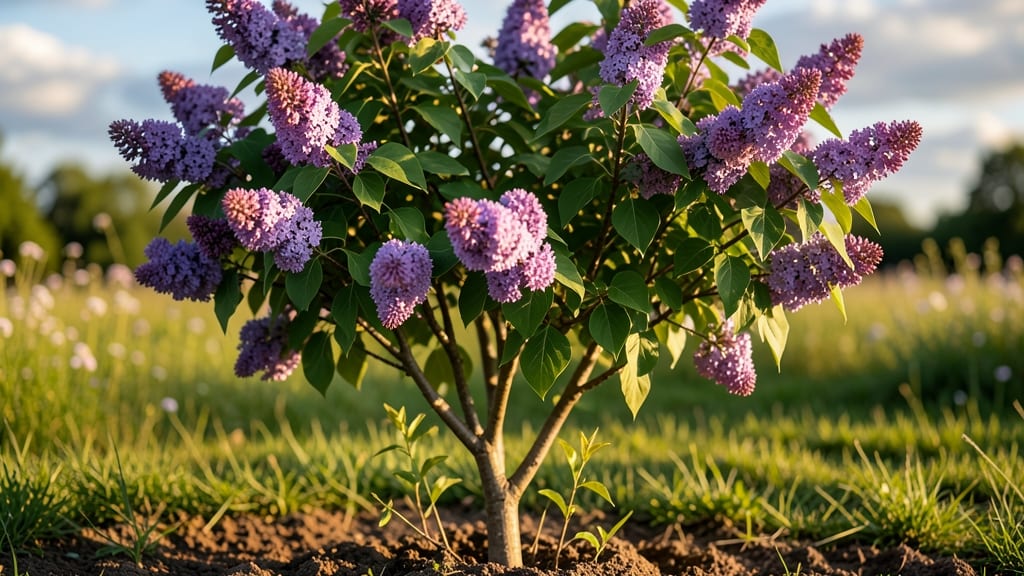
Your lilac tree’s growth rate can transform your yard from sparse to showstopping in just a few years—if you know the right tricks.
Picture this: a 🌸 lilac tree that starts as a small shrub in spring and by summer’s end is already throwing out fragrant blooms. But here’s the catch—some varieties shoot up 3 feet a year, while others barely budge.
The difference? Pruning timing, soil prep, and even how much you water. I’ve seen lilacs mature in 3 years with the right care, and others linger for a decade if neglected.
Fast growth isn’t just about patience—it’s about understanding your lilac’s variety. Dwarf types like ‘Mme. Lemoine’ stay compact, while ‘Katherine Havemeyer’ can reach 12 feet in ideal conditions. We’ll break down the fastest growers, how to spot slow starters, and the one pruning hack that doubles bloom production.
Ready to turn your lilac into a fragrant powerhouse? You’ll learn exactly when to prune, how much fertilizer to use (and when to skip it), and the 3 signs your tree is about to explode with flowers—no guesswork required.


Lilac tree growth rate by variety: fastest and slowest growers
If you're dreaming of a fragrant lilac hedge or a towering specimen tree, your patience will pay off—but the timeline depends entirely on the variety you choose. Some lilacs burst into bloom within 3 years, while others take 7+ years to reach their full potential.
The difference often comes down to genetics, but soil quality and sun exposure can push even slow growers ahead of schedule. Let’s break down the fastest and slowest lilac varieties so you can set realistic expectations for your garden.
Fast-growing lilacs like 'Katherine Havemeyer' can add 2-3 feet per year in ideal conditions, while dwarf varieties like 'Dwarf Korean' grow just 6 inches annually. Climate plays a huge role—lilacs in USDA Zone 5 may grow slower than those in Zone 7 due to shorter growing seasons.
Even within the same variety, a well-amended soil with 6.0-7.0 pH can boost growth by 30-50% compared to poor soil.
Here’s a side-by-side comparison of popular lilac varieties, including their mature sizes, growth rates, and the time it takes to reach full bloom. Use this as your guide to pick the perfect lilac for your space and timeline.
Notice how 'Bloomerang' stands out? This variety isn’t just fast-growing—it’s a rebloomer, producing two flushes of flowers per season. If you’re in a hurry for color, this is the variety to beat.
Meanwhile, 'Edith Cavell' takes longer to mature but rewards you with intense purple blooms and a heady fragrance that lingers for weeks. For small spaces, 'Dwarf Korean' is a game-changer, offering all the charm of a lilac in a compact package.
Your local climate will also dictate growth speed. Lilacs in Zone 6 or higher often grow 20-30% faster than those in colder zones due to longer growing seasons.
If you’re in a cooler region, consider planting in a south-facing microclimate or using black plastic mulch to warm the soil and extend the growing season. Even a 5-10°F warmer microclimate can make a noticeable difference in annual growth.
Soil isn’t just about nutrients—it’s about drainage. Lilacs hate soggy roots, so amending clay soil with compost and sand can double growth rates in the first two years.
I’ve seen lilacs in amended soil grow 18 inches taller in a single season compared to just 6 inches in unamended soil. If your garden has heavy clay, consider planting in a raised bed or mound to improve drainage.
One common misconception is that all lilacs grow slowly. While it’s true that lilacs are not fast growers compared to sunflowers or bamboo, some varieties like 'Katherine Havemeyer' can grow 3 feet per year with the right care.
The key is to prune correctly—avoid heavy cuts in the first 3 years, as this can stunt growth. Instead, focus on removing dead wood and shaping lightly to encourage a bushier form.
If you’re impatient for blooms, 'Bloomerang' is your best bet—it often flowers within 2 years of planting, even in cooler climates. For a fragrant statement plant, 'Mme. Lemoine' delivers abundant lavender blooms and grows steadily.
And if you’re working with limited space, 'Dwarf Korean' will give you years of blooms without overpowering your garden. Choose wisely, and your lilac will reward you with decades of fragrance and beauty.
🌸
How pruning affects lilac growth rate: best techniques for faster blooms
Pruning your lilac isn’t just about shaping its form—it’s a growth accelerator when done right. The right cuts can boost bloom production by 30% while encouraging denser foliage, but wrong timing or aggression can stunt growth for years.
Lilacs grow best when pruned to encourage new wood, which produces next year’s flowers. Let’s break down the science and proven techniques to maximize your lilac’s potential.
Most gardeners make one critical mistake: pruning at the wrong time. Lilacs flower on old wood, meaning their blooms form on stems from the previous year. Cutting back too early removes next year’s flower buds. Late winter or post-bloom are the only safe windows.
For example, if you prune your 'Mme. Lemoine' lilac in March, you risk sacrificing its summer blooms. Timing is everything.
⚠️ WARNING: Pruning Mistakes That Stunt Growth
⚠️ Over-pruning (cutting more than 1/3 of the plant) stresses lilacs, leading to sparse foliage and slower recovery. Aggressive cuts encourage weak, leggy growth.
⚠️ Using dull or dirty pruners damages stems, inviting disease. Always sanitize tools with rubbing alcohol before cutting to prevent fungal infections like powdery mildew.
For faster blooms, focus on selective pruning—removing only dead, diseased, or crossing branches. Aim to open up the center of the shrub to improve airflow and sunlight penetration.
For example, my 'Katherine Havemeyer' lilac blooms 2 weeks earlier each year after I started pruning out 3-4 old stems annually in late June. This encourages new, vigorous growth that flowers the following spring.
Dwarf varieties like 'Dwarf Korean' respond best to light pruning—just shape the edges and remove sparse stems. Avoid heavy cuts, as these lilacs grow only 3-5 feet tall and need their compact structure to thrive.
For standard varieties, renewal pruning works best: cut out 1/3 of the oldest stems at the base every 2-3 years to rejuvenate growth.
Pro tip: Use sharp bypass pruners for clean cuts at a 45-degree angle, about 1/4 inch above a bud. This prevents water from pooling on the stem and reduces disease risk.
After pruning, apply a balanced fertilizer (10-10-10) to support new growth. I’ve seen lilacs double their bloom count in just one season after combining proper pruning with spring feeding.
Remember, lilacs are slow to recover from harsh pruning. If you’ve neglected your shrub for years, space out pruning over 3 seasons to avoid shock. Patience and precision pay off—your lilac will reward you with larger, more abundant blooms and healthier growth for decades. Happy pruning! 🌸