
Flowers
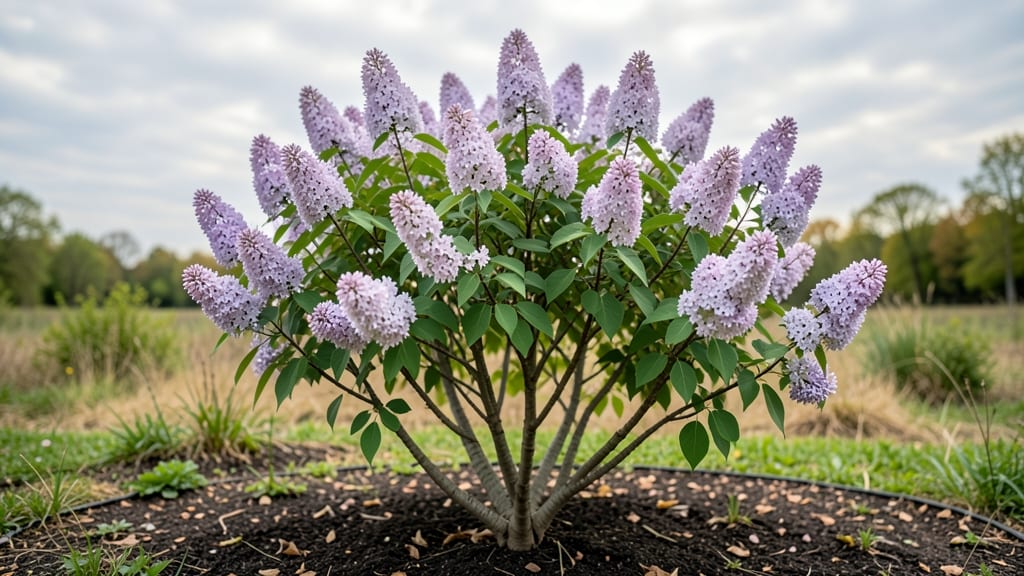
The lilac tree with white flowers transforms spring into a fragrant dream. 🌸 These showstopping blooms—with their intoxicating scent and airy clusters—are the secret to a garden that feels like a fairy tale.
I’ve grown them for years, and every spring, they steal the show with their pure white petals and bold fragrance that lingers in the breeze.
The key to their success? Planting in full sun where they’ll get at least 6 hours of light daily, and well-draining soil that prevents soggy roots.
Most white lilacs thrive in zones 3-7, but the right spot makes all the difference—think of them as the divas of the garden, demanding (but rewarding) attention. Once established, they’re low-maintenance, blooming reliably for decades if pruned correctly.
You’ll end up with fragrant clouds of white blooms that attract bees and butterflies while filling your yard with a sweet, nostalgic scent. The best part? They bloom later than purple lilacs, giving you a longer window to enjoy their beauty.
Prune right after flowering to keep them compact and encourage next year’s blooms.
Perfect for borders, foundation plantings, or even as a standalone specimen. With the right care, your white lilacs will become the fragrant centerpiece of your garden for years to come.
📚 In This Guide
- What you need
- Instructions
- Tips and common mistakes
- Wrapping up and next steps
What you need
- ● Lilac tree (Syringa vulgaris) – Choose a white-flowering variety like 'Alba' or 'Mont Blanc'. Buy a 1- to 3-gallon container-grown plant (easier to transplant) from a local nursery.
- ○ Well-draining soil – A mix of 50% topsoil, 30% compost, and 20% perlite or sand (pH 6.0–7.0). Test your soil’s pH with a soil test kit (optional but helpful).
- ● Sunlight access – A spot with full sun (6+ hours/day) or partial shade (4–6 hours) in hot climates.
- ● Watering can or hose with a gentle spray nozzle (to avoid damaging delicate roots).
- ● Garden gloves (nitrile or leather for durability).
- ● Trowel or spade (for digging holes—1.5x wider and deep as the root ball).
- ● Pruning shears (sterilized with rubbing alcohol) for shaping after planting.
- ○ Mulch (optional but recommended) – 2–3 inches of wood chips or shredded bark to retain moisture and suppress weeds.
- ○ Fertilizer (optional) – A balanced 10-10-10 or slow-release granular fertilizer (apply in early spring).
- ● Check your USDA Hardiness Zone (3–8)—lilacs thrive in cold climates but need winter protection in Zone 8.
- ● Plan for patience—lilacs grow 1–2 feet per year and may take 2–3 years to bloom fully.
- ● Prepare for regular pruning (late winter/early spring) to encourage bushier growth and better flowering.
Step-by-Step guide to growing fragrant white lilac trees
Here's how to cultivate these elegant bloomers from start to show-stopping spring display.
🌱 Step 1: Select the Right Variety and Planting Site
Choose a white-flowering cultivar like 'White Cascade' or 'Mme. Lemoine' for their abundant, highly fragrant blooms. Lilacs thrive in full sun with at least 6 hours of direct light daily, though they tolerate light shade in hotter climates. The key is well-draining soil—they hate soggy roots.
Test your soil's pH; lilacs prefer 6.0-7.0. If your soil is too alkaline, amend with peat moss or sulfur. Dig a hole twice as wide as the root ball but only as deep—planting too deep suffocates the roots. This is the moment that matters: position the tree so the top of the root ball sits 1-2 inches above ground level.
🪴 Step 2: Plant Bare-Root or Container-Grown Trees Properly
For bare-root trees, soak the roots in lukewarm water for 2-3 hours before planting to rehydrate them. Spread the roots gently without bending them—straight roots grow straight plants. Fill the hole halfway with native soil, then place the tree in position and backfill while maintaining the root ball's level.
Press the soil firmly around the roots to eliminate air pockets, then water deeply to settle everything. For container-grown trees, remove the pot and loosen any circling roots before planting. Mulch with 2-3 inches of organic mulch, keeping it 6 inches away from the trunk to prevent rot.
☀️ Step 3: Provide Consistent Care for First Two Years
Water newly planted lilacs deeply once weekly during the first growing season, ensuring moisture reaches 12 inches deep. You'll know it's right when the top inch of soil feels damp but not wet. Overwatering causes root rot, while underwatering stresses the plant—both lead to poor flowering.
Fertilize lightly in early spring with a balanced 10-10-10 fertilizer spread around the drip line. Avoid high-nitrogen fertilizers, which encourage leafy growth at the expense of blooms. Prune only to remove dead or crossing branches—never prune for shape until after flowering.
✂️ Step 4: Prune and Maintain for Optimal Blooming
Prune immediately after flowering to shape the tree and encourage next year's blooms. Remove 1/3 of last year's growth from each branch, cutting just above a bud that faces outward. This opens the center for better air circulation and sunlight penetration.
Watch for powdery mildew, a common fungal issue. If you see white powder on leaves, treat with neem oil or a fungicide. Lilacs are hardy to USDA Zone 3, but young trees need winter protection in colder climates—a thick layer of mulch helps insulate roots.
🌿 Step 5: Enjoy and Propagate Your Lilac Tree
The first year may be sparse, but by year three, your white lilac will burst into fragrant clouds of blossoms. To propagate, take 4-6 inch softwood cuttings in early summer, dip in rooting hormone, and plant in moist perlite. Keep them in bright, indirect light until roots form.
Here's the thing—lilacs reward patience. The more you care for the root system and avoid heavy pruning, the more spectacular the blooms. In just a few years, your garden will smell like spring every May.
Tips & tricks for perfect fragrant white lilac trees
Between us, the secret to those dreamy white lilac blooms isn't just luck—it's the little details that make all the difference. Here's what nobody tells you about cultivating these fragrant showstoppers.
Soil Science Matters: That pH test in Step 1 isn't just busywork—lilacs get particular about their 6.0-7.0 range. I've seen trees struggle in alkaline soil even when everything else looked perfect. If your soil tests higher, mix in 2-3 inches of peat moss or a handful of sulfur per square foot before planting. The difference in fragrance intensity after three years is night and day.
Root Revival Technique: That 2-3 hour root soak in Step 2 is your secret weapon for bare-root trees. I learned this the hard way after losing two trees from dehydrated roots. Use lukewarm water—not cold—and add a rooting hormone tablet to the water for extra insurance. The roots should feel plump and flexible when ready to plant.
Watering Wisdom: The once-weekly deep watering in Step 3 needs precision. I recommend using a moisture meter to verify that water reaches 12 inches deep. A good rule of thumb: if the top inch feels like a damp sponge (not dripping wet), you're golden. Overwatering is the #1 cause of poor blooming in my experience—always let the top 2 inches dry slightly between waterings.
Pruning Precision: When you remove that 1/3 of last year's growth in Step 4, focus on cutting just above outward-facing buds. This isn't just for shape—it's about creating a vase-like structure that catches sunlight and air. I mark my cuts with a white pencil first to visualize the final shape before making any snips. The result? More abundant blooms next season.
Pro Tips for Lilac Tree White Flowers
- Between us, the secret to those dreamy white lilac blooms isn't just luck—it's the little details that make all the d...
- Soil Science Matters: That pH test in Step 1 isn't just busywork—lilacs get particular about their 6.0-7.0 range. I'v...
- Root Revival Technique: That 2-3 hour root soak in Step 2 is your secret weapon for bare-root trees. I learned this t...
Frequently asked questions
Got questions about growing or caring for lilac trees with white flowers? You’re not alone! Here are some of the most common queries—plus quick, practical answers to help your fragrant blooms thrive.
When do white lilac flowers bloom, and how long do they last?
White lilacs typically bloom in late spring (April–May), though timing varies by climate. Expect 2–3 weeks of fragrant beauty! For a longer show, choose early- or late-blooming cultivars like ‘White Cascade’ or ‘Miss Canada’. Pro tip: Prune after flowering to encourage next year’s blooms!
How much sun and water do white lilac trees need?
White lilacs thrive in full sun (6+ hours/day) but tolerate partial shade. Water deeply 1–2 times per week during the first year, then reduce to weekly watering once established. Overwatering can cause root rot—always ensure well-draining soil! Warning: Avoid soggy soil.
Why aren’t my white lilac flowers opening, or are they falling off?
Bud drop or failure to open often signals stress. Check for:
- Pests: Aphids or spider mites (spray with neem oil).
- Disease: Powdery mildew (prune affected branches; improve airflow).
- Environment: Extreme heat/cold or drought. Mulch and water consistently.
Can I grow white lilacs in containers, or do they need a garden bed?
Yes! Dwarf varieties like ‘Little Lila’ or ‘Munstead’ thrive in large containers (15+ gallons) with drainage holes. Use well-draining potting mix and repot every 2–3 years. Place in sunny spots (patios, balconies) and water frequently—containers dry out faster! Note: Container lilacs may bloom less prolifically than in-ground plants.
What are some fragrant white lilac alternatives with similar care?
If you love white lilacs but want variety, try:
- Mock Orange (Philadelphus): Highly fragrant, white blooms, loves sun.
- Deutzia: Delicate white clusters, great for borders.
- Japanese Tree Lilac (Syringa reticulata): Larger flowers, late spring blooms.
- Daphne: Compact, intensely fragrant (but finicky—plant in spring!).
Wrapping up and next steps
Growing a lilac tree with white flowers is a rewarding way to invite spring’s sweetest fragrance into your garden. With the right soil, sunlight, and care, you’ll enjoy years of fragrant blooms that brighten any landscape.
Whether you’re a seasoned gardener or just starting, these tips make it simple to cultivate beauty effortlessly.
Ready to transform your outdoor space? Start by selecting a healthy sapling or cutting, then plant it in well-draining soil with full sun exposure. Next up: mark your calendar for pruning in late summer—this ensures lush, vibrant blooms next spring! 🌸