
How To
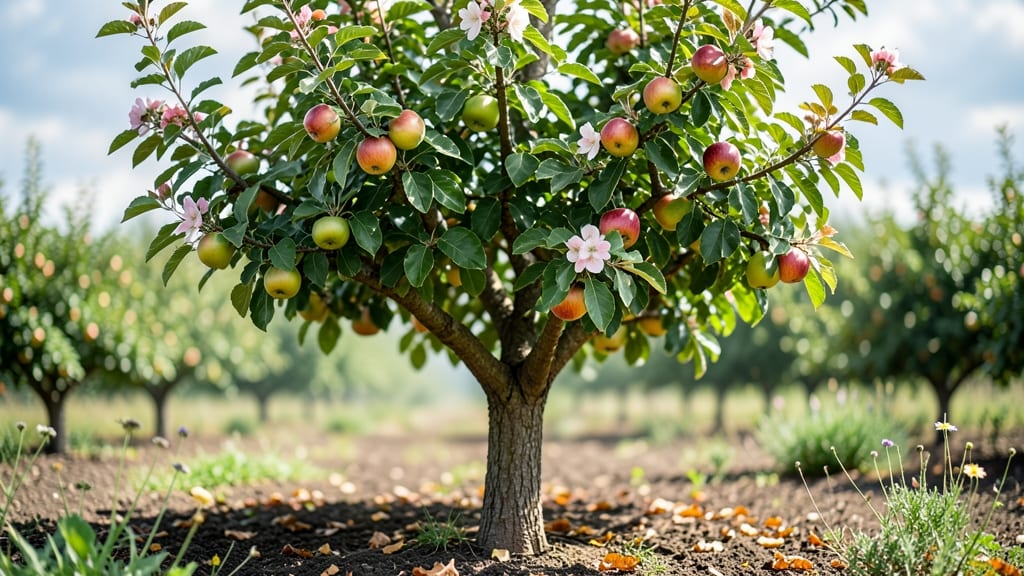
How tall does an apple tree grow? The mature height can range from a compact 8 feet to towering over your roof at 30 feet, depending on the variety and rootstock you choose.
If you’ve ever dreamed of fresh-picked apples but hesitated because of space concerns, you’re not alone. The right tree size can fit snugly in a backyard, while others need the room of a full orchard.
Whether you’re working with a small urban plot or a sprawling rural garden, understanding these height differences is the key to picking the perfect 🍎 for your space.
Dwarf varieties stay under 12 feet, making them ideal for containers or tight yards, while standard trees can reach 25 feet or more. Semi-dwarf trees strike a balance, typically growing between 12 and 18 feet.
Below, we’ll break down the growth habits of popular cultivars, how rootstock affects size, and practical tips to manage your tree’s height—no matter how much space you have.
Ready to find the perfect fit? You’ll also discover how pruning, sunlight, and soil impact growth, plus the best varieties for small gardens, urban lots, and traditional orchards. Let’s get started.


Apple tree height by variety: from dwarf to standard sizes explained
Apple trees come in a stunning range of mature heights, from dwarf varieties that stay under 10 feet to standard trees towering over 30 feet. The size you choose depends on your space, sunlight, and how much maintenance you're willing to handle.
For example, a Honeycrisp on a dwarf rootstock will stay compact, while the same variety on a standard rootstock could reach 25 feet or more.
The key to controlling height lies in the rootstock—the underground part of the tree that influences growth. Dwarfing rootstocks restrict growth, while standard rootstocks allow trees to reach their full potential.
Understanding these differences helps you pick the perfect tree for your garden, whether it's a small urban yard or a spacious orchard.
🌱
| Variety | Rootstock Type | Mature Height (ft) | Space Needed | Best For |
|---|---|---|---|---|
| Honeycrisp | Dwarf (M.9) | 8-12 ft | 10x10 ft | Containers, small yards |
| Granny Smith | Semi-Dwarf (M.7) | 12-16 ft | 15x15 ft | Backyards, urban gardens |
| Fuji | Standard (Seedling) | 20-30 ft | 25x25 ft | Orchards, large properties |
| Gala | Dwarf (M.26) | 6-10 ft | 8x8 ft | Balconies, small spaces |
| Red Delicious | Semi-Dwarf (M.27) | 14-18 ft | 18x18 ft | Medium yards, rural gardens |
| McIntosh | Standard (Seedling) | 25-35 ft | 30x30 ft | Orchards, large estates |
Dwarf apple trees, like 'Gala' on M.26 rootstock, are perfect for small spaces. They typically reach 6 to 10 feet at maturity, making them ideal for containers, patios, or even balconies. These trees require minimal pruning and produce fruit quickly, often within 2 to 3 years of planting.
Semi-dwarf varieties, such as 'Granny Smith' on M.7 rootstock, strike a balance with heights between 12 and 16 feet. They’re great for backyards and urban gardens, offering a manageable size while still providing abundant fruit. Semi-dwarfs also benefit from easier pruning and harvesting compared to standard trees.
🌿
Standard apple trees, like 'McIntosh' or 'Fuji' on seedling rootstock, can grow 25 to 35 feet tall. These trees are best suited for orchards or properties with ample space. While they require more room and regular pruning, they produce larger fruit yields and have a classic, picturesque appearance.
Your tree’s final height also depends on pruning practices and growing conditions. Regular pruning can control height, while poor soil or insufficient sunlight can stunt growth.
For example, a Honeycrisp tree on a dwarf rootstock might only reach 8 feet in a well-maintained urban garden, but it could grow taller in a rural setting with rich soil and full sun.
If you’re growing in a container, choose a dwarf variety and ensure the pot is at least 18 inches deep with good drainage. Containers limit root growth, which naturally keeps the tree smaller. Just be prepared to repot every 2 to 3 years as the tree matures.
For urban gardens, semi-dwarf varieties are often the best choice. They fit well in most backyards while still offering plenty of fruit. Just ensure you plant them at least 15 feet apart to allow for airflow and future growth.
🪴
How to choose the right apple tree size for your space
Selecting the right apple tree size depends on your available space, sunlight exposure, and maintenance preferences. A dwarf variety might fit perfectly in a small urban yard, while a standard tree needs room to spread its branches—sometimes requiring 20+ feet of clearance.
Before planting, measure your space and consider how much time you’re willing to dedicate to pruning and care.
For urban gardens or patios, dwarf apple trees (growing 8–12 feet) are ideal because they fit in containers or tight spots. Semi-dwarf trees (12–18 feet) offer a middle ground, working well in suburban backyards.
Standard trees (20–30 feet) are best for rural properties or orchards, but they require regular pruning to manage height and maintain fruit accessibility.
- Fits containers or small yards
- Easier to prune and harvest
- Faster fruit production
Cons:
- Shorter lifespan (15–20 years)
- Needs staking for support
- Limited root system
- Balances size and productivity
- Longer lifespan (25–30 years)
- Stronger root system
Cons:
- Requires more space than dwarfs
- Needs regular pruning
- Slower to mature
- Classic orchard look
- Longest lifespan (30+ years)
- Better disease resistance
Cons:
- Needs large planting area
- Harder to prune and harvest
- Requires structural support
If you’re growing in containers, choose a dwarf variety like ‘Columnar’ or ‘Patio’ types, which stay under 8 feet tall. These trees thrive in 15–25 gallon pots and can be moved to optimize sunlight.
For rural properties, a semi-dwarf or standard tree may be more practical, offering better fruit production and longevity.
Sunlight is another critical factor—apple trees need 6+ hours of direct sun daily to reach their full height potential. If your garden is shady, opt for a dwarf variety, as they tolerate partial shade better than larger trees.
In sunny areas, even standard trees can thrive with proper pruning to control height and shape.
Pruning plays a huge role in managing apple tree height. For dwarf trees, focus on open-center pruning to encourage outward growth and improve fruit access. With semi-dwarf or standard trees, use central leader pruning to maintain a single trunk and control vertical growth.
Regular pruning also reduces the risk of disease and improves air circulation.
Finally, consider your long-term goals. If you want quick harvests, dwarf trees produce fruit in 2–3 years, while standard trees take 5–7 years to mature. For urban gardeners, dwarf varieties offer convenience and beauty without overwhelming your space.
For rural enthusiasts, semi-dwarf or standard trees provide the classic orchard experience with minimal effort.