
Pruning
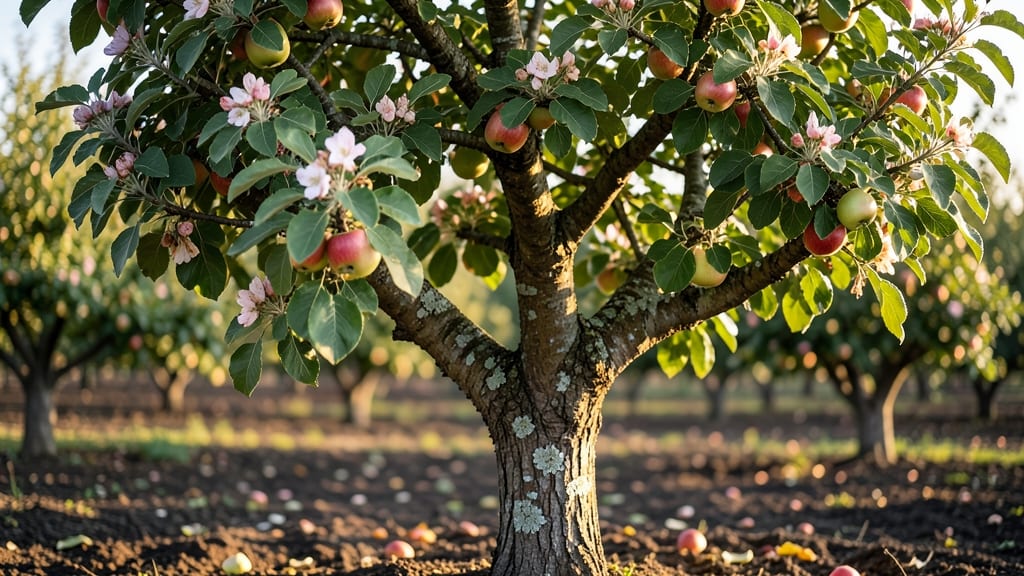
Your apple tree’s yearly growth cycle starts with dormancy—that quiet winter phase when it’s storing energy for spring’s explosive growth. 🌱 I’ve watched my own trees go from bare branches to blossoms, and the secret to maximizing fruit isn’t complicated: it’s about working with each season’s natural rhythm, not fighting it.
Spring’s the make-or-break moment—prune right after dormancy to shape the tree while it’s still dormant, then step back as buds swell. Summer’s all about watering deeply (1-2 inches per week) and watching for pests like codling moths, while fall’s harvest signals it’s time to clean up fallen fruit before winter.
Each phase demands different care, but the payoff is a tree that bears heavier, healthier fruit every year. The real magic happens when you time pruning to the growth cycle: late winter for structure, summer for thinning branches, and minimal cuts in fall.
You’ll see new shoots emerge within weeks of proper pruning, and the tree’s energy shifts from leaf production to fruit development. That’s when you know you’re doing it right.
This isn’t just about cutting branches—it’s about understanding your tree’s calendar. In Zone 5, dormancy starts in late November, while in Zone 8, it might linger until January. The key is watching for leaf drop and bud swell rather than following a rigid schedule.
A well-timed pruning in late winter removes dead wood while stimulating new growth, setting the stage for summer’s fruit set.
Even experienced gardeners mess this up—over-pruning in spring weakens the tree, while skipping summer thinning leads to small, crowded fruit. But once you sync your pruning to the tree’s natural cycle, you’ll notice thicker branches, better airflow, and fewer disease issues**.
The goal isn’t perfection; it’s creating balance so your tree can focus its energy where it counts.
📚 In This Guide
- What you need
- Instructions
- Tips and common mistakes
- Wrapping up and next steps
What you need
- ● Pruning shears: Bypass pruners (sharp, 6-8" blades) for small branches.
- ● Loppers: 18-24" for medium branches (2-3" thick).
- ● Pruning saw: Curved-tooth saw for thick branches (3"+ diameter).
- ● Gloves: Heavy-duty, cut-resistant (leather or synthetic).
- ● Disinfectant: 70% isopropyl alcohol or 10% bleach solution (1 part bleach to 9 parts water) to sterilize tools.
- ○ Pruning sealant: Optional but recommended (e.g., tree wound paint) for large cuts.
- ● Twine or zip ties: For temporary support if needed.
- ● Watering can or hose: For post-pruning hydration.
- ● Extension pole: For hard-to-reach branches (10-15 ft).
- ● Ladder: Sturdy, non-slip (if tree is over 6 ft tall).
- ● Work boots: With ankle support for stability.
- ● Safety glasses: To protect against debris.
- ● Notebook or app: For tracking pruning notes (e.g., Apple Tree Pruning Guide).
- ● Fertilizer: Balanced 10-10-10 or organic options (e.g., compost or manure) post-pruning.
Step-by-step guide to managing your apple tree's annual growth cycle
Here's how I maintain my apple trees through every season—pruning, training, and care that keeps them productive for decades.
⏰ Step 1: Late Winter Dormancy Pruning (Before Bud Break)
This is the most critical pruning window, when your tree is still dormant but just days from waking up. I start in late February to early March—right before buds swell but before any green appears. Use sharp pruning shears to make clean cuts at a 45-degree angle, just outside the branch collar where it meets the trunk.
Remove dead, diseased, or crossing branches first. Then thin the canopy to open it up—aim for a vase-like shape with sunlight reaching the center. I never remove more than 25% of the canopy in one year, or the tree struggles to recover. Look for suckers (shoots growing from the base or graft union) and cut them off at the ground level.
🌱 Step 2: Spring Growth Monitoring and Summer Light Pruning
Once buds burst in early April, switch to a hands-off approach. Let the tree focus on leaf production and fruit set—this is when it builds energy for next year's harvest. I only intervene if I see water sprouts (fast-growing vertical shoots) or shade branches (thin growth in the tree's interior).
In mid-to-late summer, I do a second, lighter pruning pass. Remove any suckers that reappeared and trim back overly vigorous growth by about one-third. This encourages bushier, more productive branches. Watch for fruit spurs (short, stubby branches with clusters of buds)—these are your tree's future harvest zones, so protect them.
☀️ Step 3: Fall Cleanup and Winter Preparation
After harvest, I clean up fallen fruit and leaves to prevent fungal diseases like apple scab. Rake up debris and dispose of it in the trash—never compost infected material. In October, I apply a 2-3 inch layer of mulch (wood chips or straw) around the base, keeping it 6 inches away from the trunk to prevent rot.
If your tree is young, now's the time to train scaffold branches—the main limbs that will support the tree's structure. Use spreaders or weights to guide branches into a well-balanced shape. Older trees benefit from thinning out crowded areas to improve airflow, which reduces disease risk. Avoid heavy pruning now—you don't want to stimulate new growth that won't harden off before winter.
✂️ Step 4: Year-Round Maintenance Checks
Every two weeks, I do a quick visual inspection for pests (aphids, codling moth larvae) and diseases (rust spots, blackened leaves). Treat problems immediately with neem oil or copper fungicide as needed. I also check the soil moisture—apple trees need deep, infrequent watering (about 1-2 inches per week during dry spells) to develop strong roots.
In early spring, I fertilize with a balanced 10-10-10 formula (about 1 pound per inch of trunk diameter) to support new growth. For established trees, I focus on organic matter—compost or well-rotted manure—to improve soil structure. The key is consistency: a well-maintained apple tree rewards you with decades of fruit, but it takes patience and seasonal attention.
Tips & tricks for perfect apple tree growth management
Keeping your apple tree thriving requires precision timing and smart techniques—here's how to get it right every season.
Pruning Precision: In Step 1, when making those 45-degree angle cuts during late winter pruning, focus on the branch collar—the swollen area where the branch meets the trunk. Cutting just outside this collar prevents damage to the tree's healing system. I always disinfect my pruning shears with rubbing alcohol between cuts to prevent spreading disease between branches. This careful technique ensures cleaner wounds that heal faster and reduces the risk of infection during the critical early spring growth period.
Seasonal Timing Strategy: The late February to early March window for dormancy pruning is non-negotiable—this timing prevents stimulating premature growth before the tree has built up sufficient energy reserves. I mark my calendar with frost dates to ensure I prune at least 2 weeks before the last expected frost. For summer pruning in mid-to-late summer, I wait until after harvest to avoid stressing the tree when it's already working hard to produce fruit.
Mulching Mastery: When applying that 2-3 inch layer of mulch in October, use wood chips or straw that will break down slowly—this maintains moisture while improving soil structure over time. The key is keeping mulch 6 inches away from the trunk to prevent rot. I always add a fresh layer each fall, mixing it gently into the top inch of soil to create a natural transition that encourages beneficial microbial activity in the root zone.
Visual Growth Monitoring: During your two-week inspections, look for these telltale signs: new leaves should be vibrant green without yellowing (a sign of nutrient deficiency), and buds should be firm to the touch. I keep a small notebook near my trees to record any changes in growth patterns—this helps me spot problems before they become serious. For example, sudden leaf curl often indicates aphid activity, which responds well to neem oil treatment when caught early.
Pro Tips for Apple Tree Growth Cycle
- Keeping your apple tree thriving requires precision timing and smart techniques—here's how to get it right every season.
- Pruning Precision: In Step 1, when making those 45-degree angle cuts during late winter pruning, focus on the branch ...
- Seasonal Timing Strategy: The late February to early March window for dormancy pruning is non-negotiable—this timing ...
Frequently asked questions
Got questions about nurturing your apple tree through its growth cycle? Here are some of the most common inquiries—plus practical answers to keep your tree thriving year-round.
When is the best time to prune an apple tree for maximum fruit production?
The ideal window is late winter or early spring (just before buds swell, typically February–March in most climates). This timing encourages vigorous growth while minimizing disease risk. Avoid pruning in fall—it can invite pests and fungal infections. Pro tip: If you must prune in summer, do so only to remove dead wood or shape the tree.
How do I protect my apple tree during winter dormancy?
Apple trees handle cold well, but young trees or harsh winters need extra care. Mulch the base with 2–4 inches of organic material (straw or wood chips) to insulate roots. Wrap the trunk with tree guard or burlap to prevent rodent damage and sunscald. Avoid heavy snow buildup on branches—gently shake it off to prevent breakage.
Why are my apple tree leaves curling or yellowing mid-season?
Curling/yellowing leaves often signal pests (aphids, mites) or disease (apple scab, fire blight). Inspect undersides for tiny bugs or black spots. Treat aphids with a strong spray of water; use neem oil or fungicide for diseases. Prevention tip: Prune for airflow and remove fallen leaves in fall to reduce spores.
Can I grow an apple tree from a store-bought apple?
Technically yes, but it’s not reliable for fruit-bearing trees. Seeds produce seedlings with unpredictable traits (bitter fruit, weak growth). For consistent apples, graft a named variety onto a rootstock or buy a certified tree from a nursery. Fun fact: Many heirloom varieties are grafted for stability!
How long does it take for an apple tree to bear fruit after planting?
Patience is key! Dwarf trees may fruit in 2–4 years, while standard trees take 5–7 years. Choose pollination-compatible varieties (e.g., ‘Honeycrisp’ + ‘Golden Delicious’) and ensure full sun (6+ hours daily). Bonus: Young trees need regular pruning to direct energy toward fruit production.
What’s the difference between “heading back” and “thinning out” pruning?
| Heading Back | Thinning Out |
|---|---|
| Cutting back branches to stub (encourages bushier growth). | Removing entire branches at the collar (improves airflow). |
| Best for shaping or rejuvenating old trees. | Best for disease prevention and fruit access. |
Rule of thumb:
Thin out dead/diseased wood first, then head back selectively.
Wrapping up and next steps
Understanding your apple tree’s growth cycle and pruning calendar is the key to nurturing a thriving, fruit-bearing tree year after year. From dormant winter prep to summer’s post-harvest care, each season offers a chance to shape your tree’s future—so get excited to roll up your sleeves! 🌱
Ready to take action? Start by marking your pruning dates on your calendar and gathering your tools. Whether you’re a first-time pruner or a seasoned gardener, every cut is a step toward a healthier, more productive tree. Happy pruning—your future apple harvest awaits! 🍏✨