
Trees
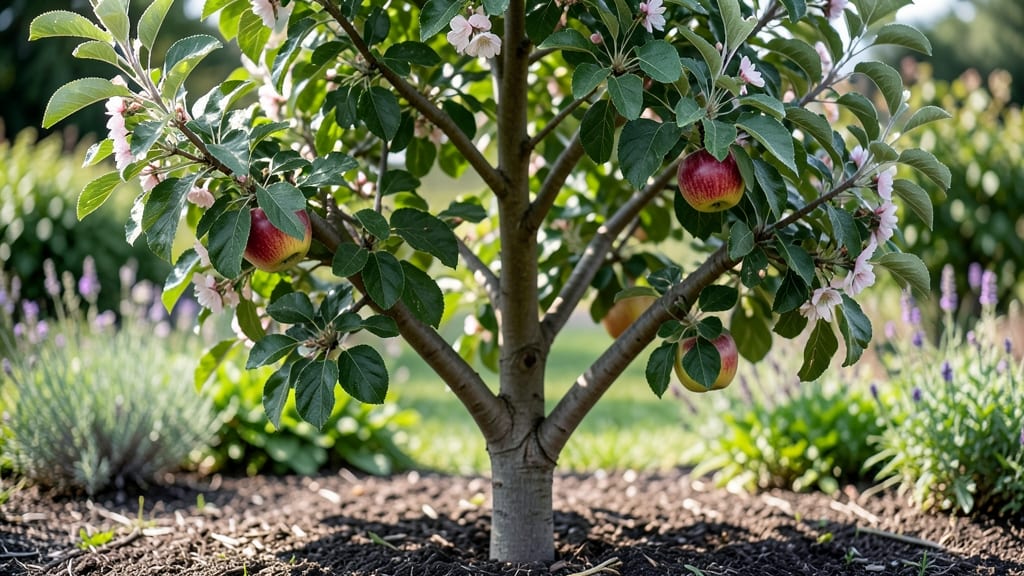
A Honeycrisp apple tree exhibits a predictable growth rate—expect 2-4 feet in its first year, then 3-6 feet annually until it reaches maturity in 5-7 years for standard varieties.
If you're dreaming of a bountiful Honeycrisp harvest but wondering how long it takes to grow, you're not alone—this crisp, sweet variety is a favorite, but its growth timeline can surprise even experienced gardeners.
In USDA Zone 6a, where most gardeners plant in early spring, the first 3 years focus on root and trunk development. By year 4 or 5, you’ll see flowering, but full fruit production typically waits until year 6 or 7.
Here’s the key: dwarf varieties mature faster (3-5 years), while standard trees take longer—but with the right care, you can speed up the process. I’ll break down the stages, factors that affect growth, and how to maximize early yields.


Honeycrisp apple tree growth rate by age: from sapling to first fruit
Planting a Honeycrisp apple tree is exciting, but many gardeners wonder how long it takes to see those prized fruits. The growth rate varies by tree size—dwarf varieties mature faster than standard trees.
Understanding these stages helps you plan your orchard with realistic expectations. From a bare-root sapling to a fruit-bearing tree, each year brings transformative changes.
First-year growth focuses on root and trunk development. Your Honeycrisp sapling will establish itself in the soil, growing 2-4 feet tall while building a strong root system. This foundational year is critical for future productivity. Proper soil preparation and watering consistency set the stage for rapid growth in subsequent years.
| Age | Height (Standard) | Height (Dwarf) | Trunk Diameter | Fruit Production |
|---|---|---|---|---|
| Year 1 | 2-4 ft | 1-2 ft | 1-2 inches | None |
| Year 2 | 6-8 ft | 3-5 ft | 2-3 inches | None |
| Year 3 | 10-12 ft | 5-7 ft | 3-4 inches | Sporadic blooms |
| Year 4-5 | 15-18 ft | 8-10 ft | 4-5 inches | First fruit (light yield) |
| Year 6+ | 20-25 ft | 10-12 ft | 6+ inches | Full production |
By year 3, your Honeycrisp tree reaches 10-12 feet tall and begins showing signs of maturity. You may notice flower buds forming, though fruit production is still minimal. This is when pruning techniques become crucial to shape the tree and encourage strong branch development.
Proper pruning in late winter removes dead wood and opens the canopy for better sunlight penetration.
Standard Honeycrisp apple trees typically produce their first harvestable fruit between years 5-7, while dwarf varieties may bear fruit as early as year 3-4.
The first fruits are often small and irregular, but each year brings improved yields. Cross-pollination is essential—planting a second variety like Galaxy or Fuji nearby ensures better fruit set and larger apples.
During years 4-5, your tree enters its productive phase, reaching 15-18 feet tall with a 4-5 inch trunk.
This is when you'll see the first meaningful harvest, though yields may still be modest. Seasonal care—like deep watering during drought and fall fertilization—boosts growth and fruit quality. Mulching around the base retains moisture and regulates soil temperature.
At maturity (6+ years), standard Honeycrisp trees tower 20-25 feet with a 6+ inch trunk, while dwarf varieties max out at 10-12 feet.
This is the peak production phase, where you can expect 50-100 lbs of apples annually under ideal conditions. Regular pruning every 1-2 years maintains tree health and prevents overcrowding, ensuring consistent harvests for decades.
One common misconception is that Honeycrisp trees grow rapidly like vegetables. In reality, their slow-to-moderate growth rate is normal—patience pays off with long-term productivity. Soil quality and climate zone play huge roles; trees in USDA Zone 5-8 thrive best, while colder regions may see delayed maturity.
Investing in well-draining soil and full-sun exposure accelerates growth and fruit development.
If you're eager for
Factors that speed up or slow down Honeycrisp apple tree maturity
Your Honeycrisp apple tree won't grow at the same pace as your neighbor's—several key factors determine how quickly it reaches maturity. Understanding these variables helps you optimize care for faster fruit production.
From climate zones to soil quality, each element plays a crucial role in your tree's timeline to maturity.
First, let's address the most impactful factor: tree variety. Dwarf varieties mature in 3-5 years, while standard trees take 7-10 years to produce meaningful harvests. The size you choose directly affects both growth speed and space requirements.
Semi-dwarf trees strike a balance, typically maturing in 5-7 years while staying smaller than standard varieties.
Speed Up Growth
Plant in USDA Zones 4-7 for fastest growth. Zones 5-6 provide ideal conditions with 150-200 frost-free days annually.
Deep watering 2-3 times weekly during growing season maintains steady growth. Drought stress can delay maturity by 1-2 years.
Amend with compost and organic matter to achieve pH 6.0-6.5. Poor soil slows root development by up to 30%.
Annual pruning in late winter removes dead wood and opens canopy for sunlight. Improper pruning can delay fruiting by 2+ years.
Slow Down Growth
Temperatures above 90°F (32°C) for prolonged periods stress trees. Growth halts until cooler weather returns.
Waterlogged soil causes root rot, stunting growth. Always ensure proper drainage.
Compacted or nutrient-poor soil limits root expansion. Test soil annually and amend as needed.
Frost after buds swell can kill new growth, setting back maturity by 6-12 months.
Another critical factor is cross-pollination. Honeycrisp trees require a second variety for fruit set, like Gala or Fuji. Without proper pollination, your tree may grow vigorously but produce little to no fruit. Planting a second variety within 50 feet ensures optimal fruit development and faster maturity.
Seasonal care also plays a vital role. Winter protection in colder zones (below Zone 5) prevents cold damage that can set back growth. Wrapping young trees with burlap or tree guards during harsh winters helps maintain steady development. Similarly, spring fertilization with balanced 10-10-10 nutrients jumpstarts growth after dormancy.
Finally, remember that patience is key—even with perfect conditions, Honeycrisp trees need time to establish strong root systems before producing quality fruit.
By focusing on these growth factors, you'll give your tree the best chance to mature quickly and reward you with sweet, crisp apples for years to come. 🍏