
How To
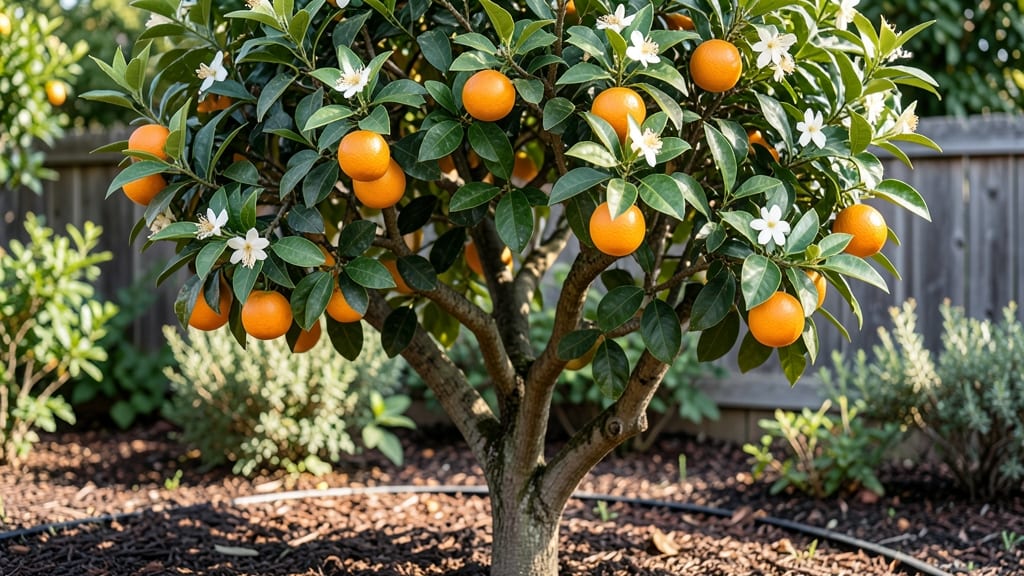
Mature height ranges of popular tangerine tree varieties
Choosing a tangerine tree for your garden starts with understanding its mature height—this determines everything from planting location to long-term care. Most tangerine varieties fall between 10 to 25 feet at maturity, but dwarf varieties can stay as short as 6 feet when properly maintained.
The key difference often comes down to rootstock and variety selection, which I’ll break down below to help you pick the perfect fit for your space.
Standard tangerine trees like the classic Dancy tangerine can reach heights of 15 to 25 feet, making them ideal for large backyards or rural properties.
Meanwhile, dwarf varieties such as Clementine or Sunburst tangerines top out at 6 to 10 feet, perfect for containers, patios, or small urban gardens. Understanding these differences saves you from planting a giant tree where it won’t thrive—or worse, trimming it down later.
Below is a detailed comparison of popular tangerine varieties, including their mature heights, growth habits, and ideal spacing requirements. This will help you visualize how each variety fits into your garden layout before you plant.
🌱
| Variety | Mature Height (ft) | Growth Habit | Ideal Spacing (ft) | Best For |
|---|---|---|---|---|
| Dancy Tangerine | 15–25 ft | Upright, spreading | 15–20 ft | Large yards, rural areas |
| Clementine | 6–10 ft | Compact, bushy | 8–10 ft | Containers, patios, small gardens |
| Sunburst Tangerine | 8–12 ft | Semi-dwarf, rounded | 10–12 ft | Medium yards, urban backyards |
| Murcott Tangerine | 12–18 ft | Vigorous, spreading | 12–15 ft | Suburban homes, orchards |
| Satsuma (Seedless) | 10–15 ft | Semi-dwarf, upright | 10–12 ft | Cold-hardy regions, small farms |
| Minneola (Tangelo) | 12–20 ft | Tall, spreading | 15–20 ft | Large properties, commercial orchards |
When selecting a tangerine tree, consider not just height but also spreading width. For example, the Dancy tangerine can spread 15 to 20 feet wide, while the Clementine stays more compact at 6 to 8 feet.
This matters for airflow and sunlight exposure, which directly impact fruit production and disease resistance. Always leave extra space for pruning flexibility—even dwarf varieties benefit from occasional trimming to maintain shape and health.
For container growing, stick to dwarf or semi-dwarf varieties like Clementine or Sunburst. These thrive in 15-gallon or larger pots with proper drainage, allowing you to move them indoors during winter if you live in a colder climate.
Just remember: containers dry out faster, so monitor soil moisture closely and fertilize every 4 to 6 weeks during the growing season.
If you’re planting in the ground, prioritize well-draining soil and full sun exposure—6+ hours daily. Tangerine trees hate soggy roots, so amend heavy clay soil with compost or plant on a slight mound.
Mulch around the base to retain moisture and regulate soil temperature, but keep mulch 3 inches away from the trunk to prevent rot.
One common mistake is underestimating how quickly tangerine trees grow. In ideal conditions, a standard variety can add 2 to 3 feet per year in height during its first decade.
Dwarf varieties grow slower—about 1 to 2 feet per year—but still require regular pruning to control size. Plan accordingly to avoid outgrowing your space!
🪴
How to choose the right tangerine tree size for your space
Selecting the right tangerine tree size depends on your garden layout and climate. Urban gardeners with limited space often opt for dwarf varieties (6–10 ft tall), while rural areas can accommodate standard trees (15–25 ft). Always check the mature height label before purchasing to avoid overcrowding or pruning headaches.
Your microclimate plays a key role too. Coastal regions with mild winters may support larger trees, while colder inland areas benefit from semi-dwarf varieties (10–15 ft). Even in warm zones, container growing limits root spread, so choose a variety whose mature size fits your pot.
- Dwarf Varieties: 6–10 ft tall, ideal for containers or small patios. Examples: Calamondin, Improved Meyer (with proper pruning).
- Semi-Dwarf Varieties: 10–15 ft tall, perfect for backyard edges or large planters. Examples: Sunburst, Minneola.
- Standard Varieties: 15–25 ft tall, need full sun and space. Examples: Dancy, Clementine (when grafted on vigorous rootstock).
- Rootstock Matters: Trees grafted onto trifoliate orange rootstock stay smaller (6–12 ft), while those on swingle citrumelo grow taller (15–25 ft).
Pruning is your secret weapon for controlling tangerine tree height. For container trees, prune new growth by 1/3 in early spring to encourage bushiness. In-ground trees benefit from structural pruning—remove crossing branches and thin the canopy to improve airflow and fruit access.
Urban gardeners should also consider wind exposure and building shade. A 10-ft tree near a south-facing wall may thrive, while a 20-ft tree in a narrow alley could struggle. Use dwarf varieties near fences or patios to maximize space efficiency.
If you’re unsure, start with a potted dwarf tangerine (like Calamondin) to test your climate. Move it outdoors in summer and bring it inside before frost. This lets you evaluate growth before committing to a permanent planting.
Remember: Soil depth matters too. Deeper soil accommodates larger root systems, while shallow soil (common in urban areas) restricts growth. Amend with compost and use well-draining soil to support healthy roots regardless of tree size.