
Pruning
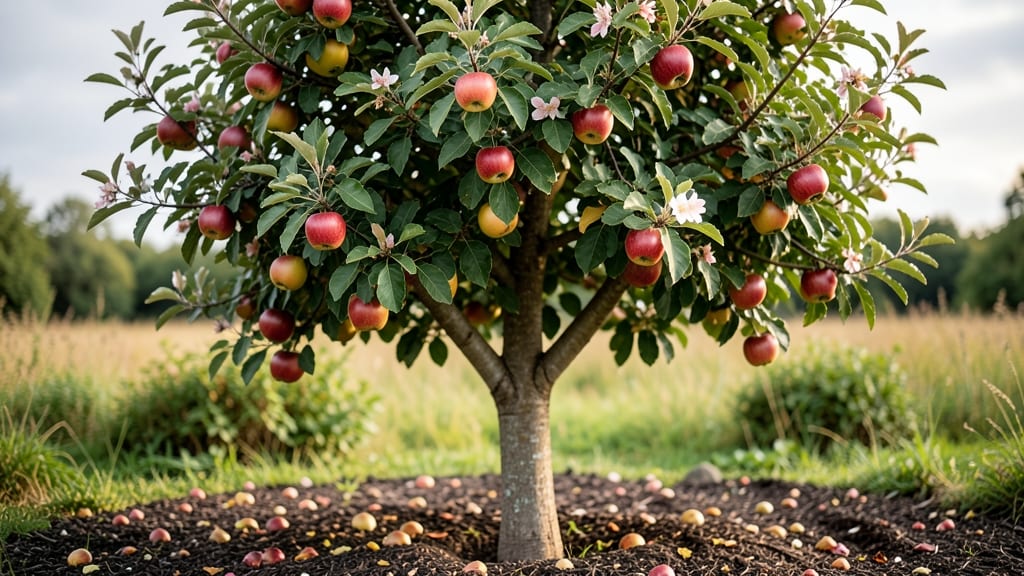
A Honeycrisp apple tree’s height can reach 15 to 25 feet at maturity 🍎 — but that doesn’t mean your backyard can’t accommodate one.
If you’re dreaming of a backyard bursting with crisp, sweet Honeycrisp apples but worried about space constraints, understanding this variety’s mature height is your first step to success.
Standard Honeycrisp trees grow tall, but dwarf and semi-dwarf varieties let you enjoy the same sweet fruit in a fraction of the space.
Whether you’ve got a sprawling garden or a cozy patio, choosing the right size isn’t just about aesthetics — it’s about maximizing fruit production without sacrificing your lawn.
Below, I’ll break down the height differences between standard, semi-dwarf, and dwarf Honeycrisp trees, plus how fast they grow and what that means for your planting timeline. You’ll also learn how to prune for optimal size and fruit yield, so you can enjoy those juicy apples without the towering tree.
Ready to pick the perfect Honeycrisp for your space? Let’s dive into the numbers and care tips that’ll keep your tree happy and productive for years.

Honeycrisp apple tree mature height: standard vs dwarf varieties compared
Choosing the right Honeycrisp apple tree size starts with understanding the rootstock type you select. The same Honeycrisp scion (the fruiting part) can grow dramatically differently depending on whether it's grafted onto standard, semi-dwarf, or dwarf rootstock.
This comparison will help you decide which fits your space and goals best.
Standard Honeycrisp apple trees reach their full mature height of 20-30 feet in about 10-15 years, making them ideal for large properties or orchards. Their spreading canopy requires ample space, typically 20-30 feet in diameter, to prevent overcrowding and ensure proper airflow for disease prevention.
Semi-dwarf varieties strike a balance, typically maturing between 12-18 feet tall. They're perfect for medium-sized yards, offering better fruit accessibility than standard trees while still producing generous harvests. These trees usually need 12-18 feet of space around them to thrive.
Dwarf Honeycrisp apple trees are the space-saving champions, maxing out at 8-12 feet tall. They're ideal for small backyards, containers, or even urban gardens. However, they require specialized care like staking, frequent pruning, and consistent fertilization to compensate for their limited root systems.
Here's a detailed comparison to help you visualize the differences:
The rootstock you choose directly impacts not just height but also fruit production and lifespan. Standard trees live longer (30+ years) but take time to bear fruit, while dwarf varieties may fruit in 3-5 years but have shorter lifespans (15-20 years).
For small gardens, consider columnar varieties that grow only 6-10 feet tall while producing abundant fruit.
When planting, always consider your local climate and soil conditions. In colder regions (USDA zones 4-6), standard trees thrive, while warmer zones (7-9) benefit from dwarf varieties that handle heat better.
Always plant at least 6 feet from structures like fences or houses to prevent root competition and allow for proper air circulation.
For container growing, choose dwarf rootstock and use large pots (at least 18 inches in diameter) with drainage holes. Ensure you prune regularly to maintain shape and fertilize monthly during growing season.
Container-grown trees may need winter protection in colder zones, like wrapping the pot in burlap or moving it to a sheltered location.
Remember that pruning plays a crucial role in managing your tree's height and shape. Regular pruning not only controls growth but also improves fruit quality and airflow.
In early spring, remove dead or crossing branches, and in late winter, thin out branches to open the canopy for better sunlight penetration.
If you're torn between varieties, consider planting a pollination partner. Honeycrisp is self-pollinating but produces more fruit with another variety nearby. For dwarf trees, plant them 10-15 feet apart, while standard trees need 25-30 feet of separation to prevent competition.
No matter which size you choose, your Honeycrisp apple tree will reward you with juicy, sweet fruit for years to come—just give it the right space to thrive! 🍎
How fast does a Honeycrisp apple tree grow? Height progression timeline
If you're planning to grow a Honeycrisp apple tree, knowing its growth rate helps with space planning and care. These trees grow steadily, reaching fruit-bearing height within 3-5 years under ideal conditions.
The first few years focus on establishing roots, while later years see rapid vertical growth toward their mature height of 15-25 feet.
Several factors influence growth speed, including climate zone, soil quality, and pruning practices. In colder regions like USDA Zone 5, trees may grow slower initially but eventually reach full height.
Meanwhile, warmer zones like Zone 7 can see faster early growth. Proper soil drainage and sunlight exposure (6+ hours daily) are critical for optimal height progression.
In the first year, your Honeycrisp sapling will focus on root growth, reaching just 2-4 feet. This is when proper watering schedules and mulching make the biggest difference.
By year two, expect a growth spurt to 6-10 feet, but avoid heavy pruning—this stage builds the tree's structural framework for future fruit production.
Years three through five mark the transition to fruit-bearing height. Your tree will grow 10-15 feet tall by year three, with the first sparse apples appearing.
This is when annual pruning becomes essential to maintain shape and improve air circulation. Proper pruning now prevents overcrowded branches that can reduce fruit quality later.
By year five, your Honeycrisp apple tree will typically reach its mature height of 15-25 feet, depending on rootstock type. Standard trees grow tallest (20-30 ft), while dwarf varieties stay between 8-12 feet.
At this stage, the tree enters full production, yielding 50-100 lbs of apples annually with proper care. Regular pruning and seasonal fertilization will maximize both height control and fruit yield.
For faster growth, consider planting in well-draining soil with a pH of 6.0-7.0 and providing consistent moisture. In my experience, trees grown in full sun with afternoon shade in hot climates reach their height milestones 6-12 months ahead of those in partial shade.
Always monitor for pests and diseases, as stress from these issues can slow height progression significantly.