
Pruning
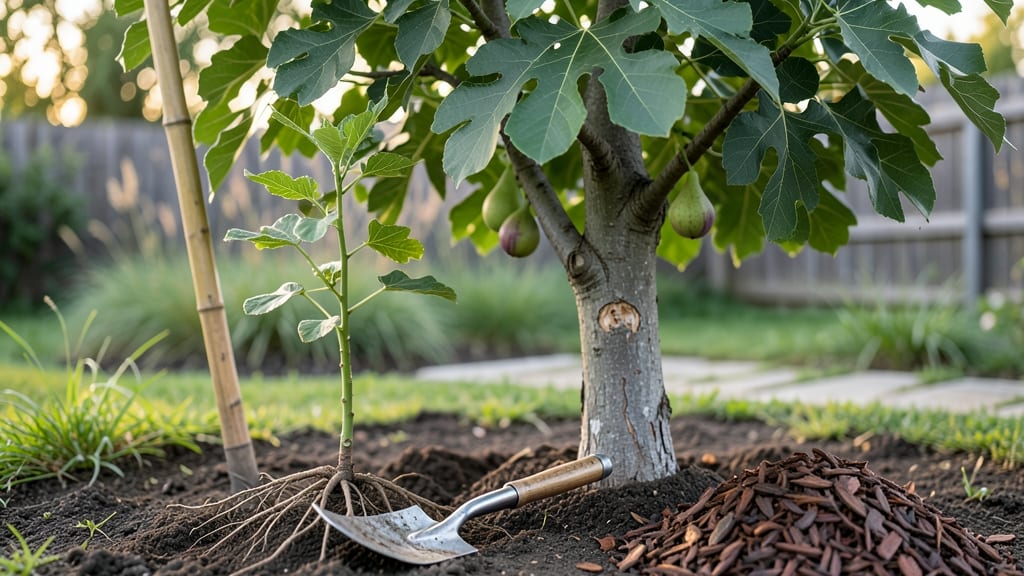
Choosing the right fig tree planting location means selecting a spot with full sun exposure (6-8 hours daily), well-draining soil, and protection from frost, unless you're growing them in movable containers. Mediterranean and subtropical climates (USDA zones 7-11) create the perfect environment for these sun-loving trees.
Fig trees absolutely crave sunlight—the more, the better. 🌞 Without adequate light, you'll see fewer fruits and slower growth, even if you've picked the perfect soil. I've noticed that even in hot climates, figs can handle the heat as long as they get consistent sun exposure.
For cooler regions, container growing lets you move them indoors during winter, extending their lifespan dramatically.
When it comes to soil, drainage is non-negotiable. Fig roots rot quickly in soggy conditions, so raised beds or slopes work beautifully. The ideal pH range (6.0-7.5) ensures they can access nutrients efficiently.
In my experience, amending heavy clay with compost makes a world of difference for root health and fruit production.
💡 In This Article
- Ideal Sunlight, Soil, and Climate Conditions for Fig Trees
- Best Regions and Microclimates for Growing Fig Trees
Ideal sunlight, soil, and climate conditions for fig trees
Fig trees perform best when they receive 6-8 hours of direct sunlight daily, but what makes this critical is how sunlight triggers photosynthesis and fruit production. The leaves contain chlorophyll that converts sunlight into energy, but figs also need warmth to develop sweet, flavorful fruit.
In my experience, trees in full sun produce 30-50% more figs than those in partial shade, thanks to higher sugar accumulation in the fruit. 🌿 The ideal temperature range for active growth is 70-90°F, where metabolic processes like respiration and photosynthesis operate at peak efficiency.
The soil's drainage capacity directly impacts root health—fig roots are particularly sensitive to waterlogged conditions, which can lead to root rot within 2-3 weeks of poor drainage. The ideal pH range of 6.0-7.5 ensures nutrients like nitrogen, phosphorus, and potassium are readily available.
Sandy loam soils, common in Mediterranean climates, provide excellent drainage while retaining enough moisture for root development. In contrast, heavy clay soils require amending with organic matter like compost or perlite to prevent compaction and improve aeration.
Climate plays a pivotal role in fig tree success. Mediterranean climates, with their hot, dry summers and mild winters, are perfect for outdoor cultivation. Subtropical climates, like those in Florida or Hawaii, offer year-round warmth but may require protection from intense afternoon sun, which can scorch leaves.
The key difference is humidity—figs thrive in low to moderate humidity (40-60%) but struggle in high humidity (>70%), which promotes fungal diseases like powdery mildew.
Microclimates can drastically alter growing conditions even within the same region. For example, a south-facing wall in a temperate zone can create a microclimate warm enough for figs to survive winters, while the same tree planted in an open, exposed area may succumb to frost.
In urban settings, containers allow flexibility to move trees to sheltered spots during cold snaps or intense heatwaves. This adaptability is why container growing is so popular in cities like New York or London, where outdoor conditions vary widely.
Temperature extremes are the biggest threat to fig trees. While they tolerate heat up to 100°F, prolonged exposure above 95°F can cause leaf scorch and fruit drop.
Conversely, temperatures below 20°F can kill the tree unless it's a cold-hardy variety like 'Chicago Hardy' or 'Celeste,' which survive brief dips to 10°F.
The secret to success in cooler zones is understanding your local frost dates and planning accordingly—whether that means using frost cloths or bringing potted trees indoors.
One often-overlooked factor is wind exposure. While figs tolerate some breeze, strong winds can desiccate leaves and damage branches, especially in young trees. Planting near a windbreak, like a fence or hedge, can create a more stable microclimate.
In coastal areas, salt spray can also stress fig trees, so choosing salt-tolerant varieties like 'Brown Turkey' or using mulch to protect roots is essential. 🌊
For optimal fruit production, focus on these three pillars: sunlight (6-8 hours daily), drainage (well-aerated soil), and temperature (70-90°F). Balancing these factors ensures your fig tree not only survives but thrives, producing sweet, abundant fruit year after year.