
How To
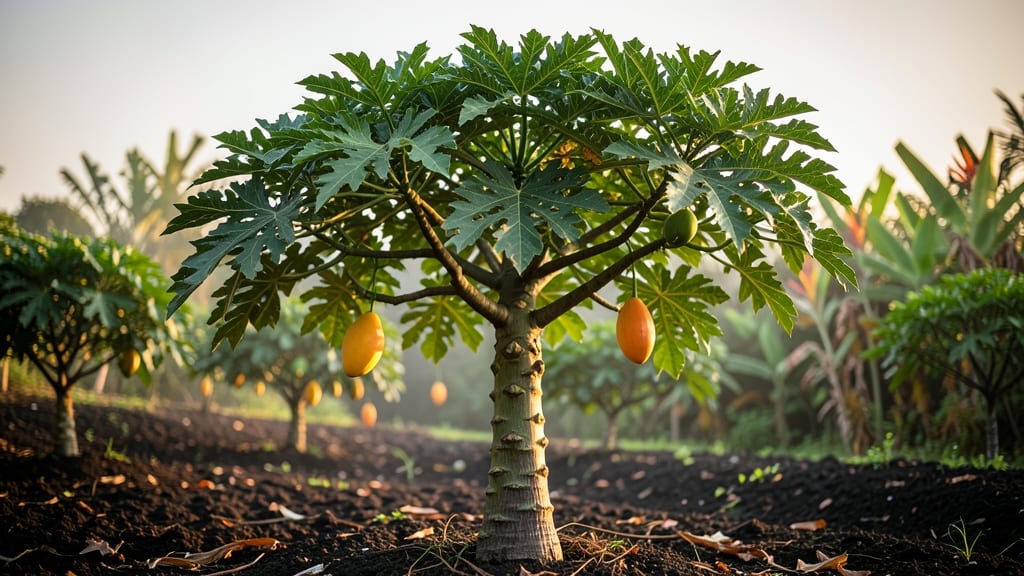
A papaya tree can grow anywhere from 10 to 30 feet tall, depending on the variety and growing conditions 🌿—some dwarf types stay under 8 feet, while standard varieties reach towering heights.
Imagine a tropical fruit tree that can tower over your house—or fit neatly on your balcony. Papaya trees are one of the most fascinating plants in the garden, with varieties that stretch skyward or stay compact. But how tall can they really grow?
The answer depends on whether you're growing a dwarf variety (ideal for containers) or a standard tree (better suited for spacious yards). Climate, soil quality, and pruning practices also play a big role in how tall your papaya tree becomes.
In this guide, I’ll break down the height ranges by variety, share tips for controlling growth, and explain how to maximize fruit production—no matter how much space you have.


Papaya tree height by variety: from dwarf to giant-sized trees
If you've ever dreamed of growing a papaya tree, you might be surprised by how dramatically their heights vary. Some varieties reach towering heights of 20+ feet, while others stay compact at just 6 feet tall.
The difference comes down to genetics—some papayas are bred for dwarf growth, while others follow their natural giant stature. Let’s explore the extremes and everything in between.
Genetics play the biggest role in determining height. Dwarf varieties are specifically cultivated to stay small, making them perfect for containers or small gardens. Meanwhile, standard varieties grow aggressively, often reaching heights that dwarf even the tallest gardeners.
Understanding these differences helps you choose the right type for your space and goals.
Here’s the most important comparison: dwarf papayas like Solo and SunUp max out at 6–10 feet, while standard types like Red Maradol can soar to 20–30 feet. Some tropical varieties even exceed 30 feet in ideal conditions, creating a true jungle canopy in your backyard.
For example, the Solo variety is a favorite among urban gardeners because it stays under 8 feet tall while still producing abundant fruit. This makes it ideal for balconies or small patios where space is limited.
On the other hand, the Red Maradol can grow 15–20 feet in just a few years, making it a statement piece for larger properties.
If you’re growing papayas in containers, even the tallest varieties can be managed with pruning and training. I’ve seen 20-foot papayas grown in large pots by pruning the top growth and using a trellis system.
The key is to control the canopy while still allowing enough space for fruit production.
Climate also plays a role in height. Papayas thrive in tropical and subtropical zones (USDA zones 10–11), where they can grow unrestricted by frost. In cooler climates, even standard varieties may stay shorter due to slower growth rates.
For instance, a Red Maradol in Zone 9 might only reach 12–15 feet compared to 20+ feet in Zone 11.
One of the most fascinating examples is the Tropical Giant variety, which can exceed 30 feet in ideal conditions. These trees are often found in commercial farms or large estates where they’re allowed to grow freely.
Their massive size isn’t just for show—it supports heavy fruit loads and provides shade for other plants.
If you’re a beginner, I recommend starting with a dwarf variety like Solo or SunUp. They’re easier to manage, produce fruit faster, and are more forgiving if you make beginner mistakes.
Once you’ve gained experience, you can experiment with taller varieties and learn the art of pruning and training.
Remember, even the tallest papaya trees can be shaped with proper care. Whether you want a 6-foot patio tree or a 20-foot tropical giant, the choice is yours. The key is to pick the right variety for your space and give it the care it needs to thrive.
How to control papaya tree height: pruning, training, and growing conditions
If you've ever wondered how to keep your papaya tree from becoming a jungle giant, you're not alone. These tropical trees can reach 20-30 feet tall in ideal conditions, but with the right techniques, you can guide their growth—whether you want a balcony-sized dwarf or a manageable backyard tree.
The key lies in understanding pruning timing, trellising methods, and how container size or garden space influences their height trajectory.
For standard varieties, unchecked growth can lead to a towering 30-foot tree, while dwarf varieties like 'Solo' or 'SunUp' max out around 8-12 feet. The difference? Genetics play a role, but so do your growing conditions and pruning habits.
Let’s break down how to manage height at every stage—from seedling to fruiting tree—so you can enjoy papayas without sacrificing your yard or balcony space.
How tall can a papaya tree grow? Here’s your step-by-step guide to controlling its height, whether you’re growing in-ground or in containers:
Dwarf varieties (e.g., 'Solo', 'SunUp') stay 8-12 ft tall, while standard types (e.g., 'Red Maradol') can hit 20-30 ft. Select based on your space—containers limit height further.
Prune young trees to encourage branching. Cut back 1/3 of new growth in early spring to control height. For fruiting trees, prune after harvest to maintain shape and prevent overgrowth.
Train vines with bamboo stakes or a trellis system to guide upward growth. This works best for container-grown trees or small gardens. Prune side shoots to focus energy on vertical growth.
Full sun (6-8 hours) and well-draining soil promote faster growth. In containers, use large pots (20+ gallons) to prevent root-bound stunting. Overcrowding or poor drainage can make trees grow too tall too fast.
Deep watering (2-3x/week) and balanced fertilizer (10-10-10) support controlled growth. Overwatering or excess nitrogen can lead to uncontrolled height spikes. Adjust care as the tree matures.
One common misconception is that container-grown papaya trees will always stay small. While they won’t reach their full height potential, they can still grow 10-15 feet tall if not pruned. To keep them manageable, repot every 2-3 years into a slightly larger container and prune aggressively in late winter.
This combo ensures your tree stays within your balcony or patio limits while still producing fruit.
For outdoor gardeners, mulching around the base helps regulate soil temperature and moisture, which indirectly controls growth speed. If your tree starts to outgrow its space, don’t hesitate to prune back by 25-30% in late winter.
This encourages bushier growth and prevents the tree from becoming a top-heavy giant that’s prone to falling in storms.
Remember, the goal isn’t just to control height—it’s to create a healthy, productive tree. With the right balance of pruning, sunlight, and container size, you can enjoy a papaya tree that fits your space and bears fruit for years to come. 🌱