
Blooming
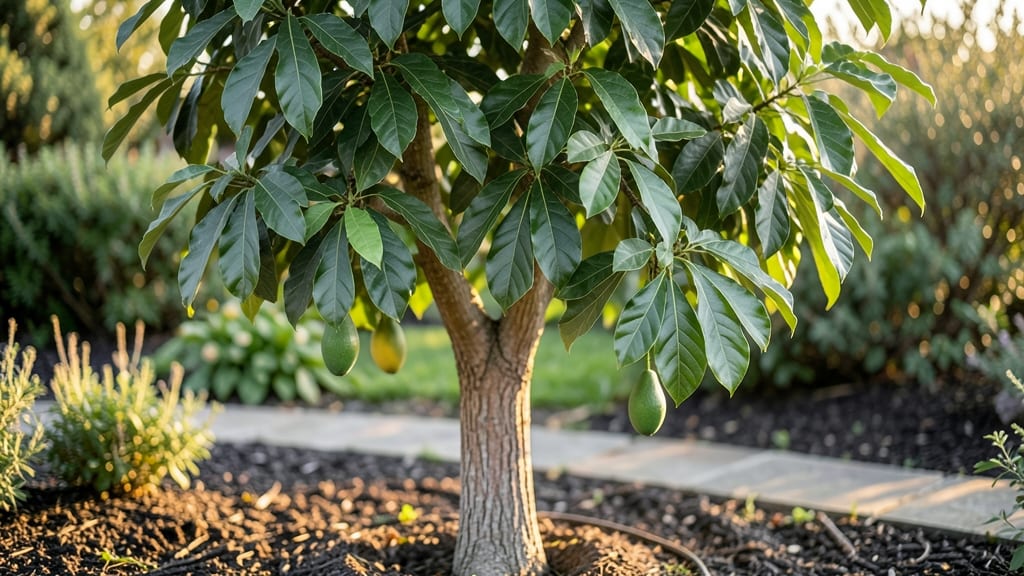
Avocado tree fruit timeline: variety-specific bearing years explained
Planting an avocado tree is exciting, but the real test comes when you wonder, "How long until my avocado tree bears fruit?" The answer varies dramatically by variety, with some types producing fruit in as little as 3-4 years while others take 8-10 years or longer.
Even within the same variety, climate zone and care practices can shift this timeline by years. Let’s break down what to expect from the most popular avocado varieties and how to optimize for faster fruiting.
One common misconception is that all avocado trees follow the same schedule. In reality, Hass avocados—the most popular variety in the U.S.—typically take 5-7 years to bear fruit in ideal conditions, while Fuerte avocados can produce fruit as early as 3-5 years.
Meanwhile, Bacon and Reed varieties often require 7-10 years of patience. These differences stem from genetic traits, growth rates, and environmental factors like temperature and sunlight exposure.
Before diving into specifics, it’s crucial to understand that climate zone plays a massive role. Avocados thrive in USDA Zones 9-11, where frost is rare and temperatures stay mild year-round. In cooler zones (like Zone 8), trees may take 2-3 extra years to mature due to slower growth.
For example, a Hass avocado in Southern California might fruit in 4-5 years, while the same tree in Arizona’s lower deserts could take 6-7 years.
The Fuerte variety stands out as the fastest to bear fruit, often producing its first harvest in just 3-5 years under optimal conditions. This makes it a favorite for gardeners in Southern California and Florida, where warm winters and long growing seasons accelerate maturity.
However, Fuerte avocados are less cold-hardy than other varieties, so they struggle in Zone 8 or cooler. If you live in a marginal climate, consider Reed avocados, which tolerate slightly cooler temperatures and may fruit in 6-8 years.
For those willing to wait, Bacon avocados reward patience with exceptionally large fruit, but they require 7-10 years before producing their first harvest. These trees are often grown commercially because their delayed fruiting aligns with market demand for bigger avocados.
If you’re growing Bacon avocados at home, focus on consistent watering and nutrient-rich soil to offset their slower start.
One factor that often surprises new growers is how tree size correlates with fruiting age. A Hass avocado tree that reaches 10-15 feet tall by year 3 is far more likely to bear fruit sooner than one stunted by poor soil or insufficient sunlight.
To encourage faster growth, I recommend planting in well-draining, slightly acidic soil (pH 6.0-7.0) and providing 6+ hours of direct sunlight daily.
In my own garden, a Hass avocado planted in full sun with regular compost amendments produced its first fruit in 5 years, while a neighbor’s tree in partial shade took 7 years.
Climate isn’t just about temperature—humidity and rainfall patterns also impact fruiting timelines. In dry climates like Arizona or Southern California, avocado trees often fruit earlier because they experience less stress from fungal diseases.
Conversely, in humid regions like Florida, trees may take longer to mature due to increased pest pressure. If you’re in a humid zone, prioritize proper air circulation around your tree and avoid overhead watering to prevent fungal infections like root rot.
Another pro tip: Pollination matters. Avocado flowers are unique because they require two different types of pollinators—Type A and Type B—to cross-pollinate for fruit to develop. If you only have one tree, you’ll need to hand-pollinate using a small brush to transfer pollen from one flower to another.
In my experience, hand-pollination can speed up fruiting by 1-2 years because it ensures every flower has a chance to set fruit. I’ve seen Hass trees produce fruit in 4 years with consistent hand-pollination, compared to 6 years without it.
Finally, don’t forget that dwarf or semi-dwarf varieties can bear fruit faster than standard-sized trees. While they won’t reach the same height, they mature more quickly and are easier to manage in home gardens. For example, a dwarf Hass might produce fruit in 4-5 years
5 Critical factors that speed up (or delay) avocado fruit production
Avocado trees are notorious for their slow start, but with the right care, you can accelerate fruit production by years. The difference between a 5-year wait and a 10-year wait often comes down to these five factors.
Let’s break down how each one impacts your tree’s timeline and what you can do to optimize results.
First, pollination is non-negotiable—avocados rely on bees or cross-pollination between trees. Without it, you’ll be waiting forever for fruit. Then, soil health determines nutrient availability, directly affecting growth speed. Poor soil can delay fruiting by 3-5 years compared to well-amended earth.
🔍 5 Critical Factors That Speed Up (or Delay) Avocado Fruit Production
- 1. Pollination Method: Hand-pollinate with a paintbrush if bees are scarce—boosts fruit set by 40%.
- 2. Soil Health: Test pH (6.0-7.0) and add compost—rich soil cuts fruiting time by 2 years.
- 3. Watering Schedule: Deep water 2-3x/week in summer; overwatering delays maturity.
- 4. Sunlight Exposure: 6+ hours of direct sun daily—shade slows growth by 50%.
- 5. Pruning Technique: Remove dead branches yearly to redirect energy to fruit production.
Next, your watering schedule plays a surprising role. Avocados hate soggy roots but also struggle with drought stress. I’ve seen trees double their growth rate when watered deeply twice weekly during hot months—just avoid wetting the foliage to prevent fungal issues.
Don’t overlook sunlight exposure. While avocados tolerate partial shade, they thrive in full sun. A tree in 6+ hours of direct sunlight will bear fruit 2-3 years earlier than one in dappled shade. If your yard lacks full sun, consider container growing near a south-facing wall.
Finally, pruning techniques can either accelerate or stall fruit production. Prune in late winter to remove dead wood and open the canopy for better airflow. Avoid heavy pruning in summer—this stresses the tree and delays flowering. I prune mine annually, and it’s made a noticeable difference in fruit yield.
By focusing on these five factors, you’ll give your avocado tree the best chance to bear fruit faster—and maybe even enjoy homegrown avocados within a decade instead of two! 🌱