
Pests and Diseases
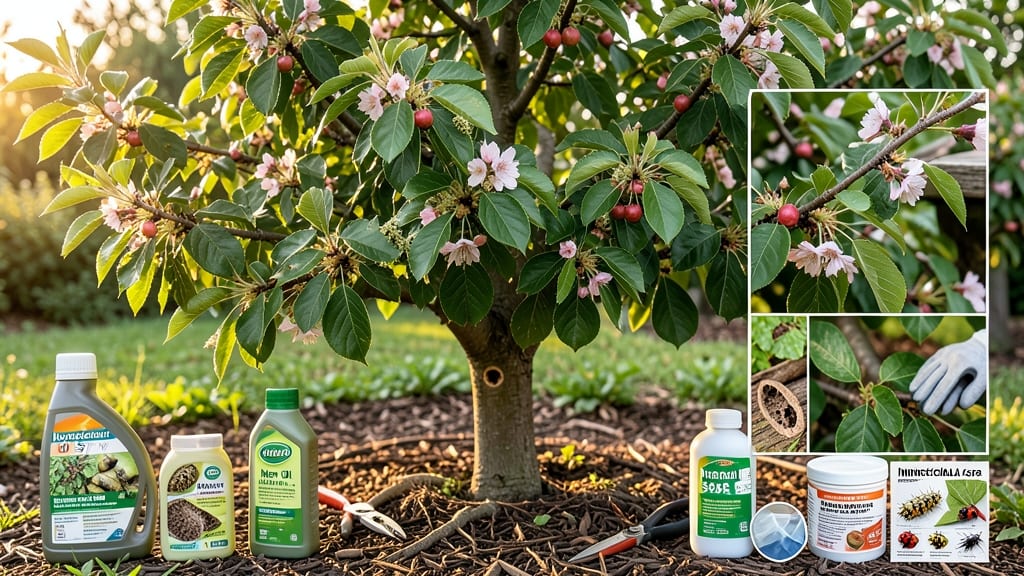
Effective cherry tree pest control can save your harvest from Japanese beetles and cherry fruit flies before they strip your tree bare in days—unless you act fast. 🌿 I’ve battled these pests for years, and the right organic sprays (applied at the right time) can turn the tide before your harvest disappears.
The key? Spotting early signs like skeletonized leaves or tiny eggs in fruit stems, then hitting them with targeted treatments that actually work.
Most store-bought sprays miss the mark because they’re too heavy-handed or applied too late. My go-to mix of neem oil and insecticidal soap (sprayed at dusk) stops beetles in their tracks, while kaolin clay confuses fruit flies away from your cherries.
You’ll see results within 7-10 days if you’re consistent—no more watching your tree get picked clean by hungry pests.
Prevention starts in early spring with pruning to remove wintering beetle eggs, followed by weekly sprays during peak season. The best part? These methods protect pollinators while keeping your tree thriving. By summer’s end, you’ll have plump, pest-free cherries—and a tree that looks as good as it tastes.
Works for both sweet and sour cherries, and adapts to container-grown trees too. Let’s get your orchard back in balance—before next year’s pests show up.
Root Causes Of Cherry Tree Pests
Cherry trees are a prized addition to any garden—until pests decide to move in. Understanding why these critters target your tree is the first step in stopping them.
Below, we break down the key reasons pests invade your cherry tree, from environmental factors to tree health, so you can address the problem at its source.
🌱 Weakened Tree Defense Systems
Pests love a weakened host, and cherry trees with compromised immune systems are prime targets. When a tree is stressed—whether from nutrient deficiencies, drought, poor soil quality, or disease—its natural defenses drop.
This makes it easier for insects like aphids, borers, and spider mites to infest and thrive.
For example, iron or nitrogen deficiencies (common in alkaline soils) can stunt growth and reduce the tree’s ability to produce protective resins. Meanwhile, overwatering or compacted soil restricts root function, leaving the tree vulnerable.
Even physical damage from hail, improper pruning, or mechanical injury creates entry points for pests like the cherry fruit fly or peach twig borer.
Actionable insight: Regularly check your tree’s health by inspecting leaves (yellowing or curling), bark (cracks or oozing sap), and roots (mushy or discolored). A simple soil test can reveal deficiencies, and deep watering (1–2 inches per week) keeps roots strong.
🌿 Ideal Pest Habitat Conditions
Cherry trees attract pests when they provide the perfect conditions: food, shelter, and moisture. Here’s how your tree might be unknowingly inviting them:
- Overripe or Damaged Fruit: Pests like cherry fruit flies and Japanese beetles are drawn to soft, rotting fruit. If you ignore fallen or split cherries, they become breeding grounds and attract more pests. 🍒🐛
- Thick Canopy and Debris: Dense foliage traps humidity, creating a cozy environment for scale insects and spider mites. Leaves, twigs, and old mulch near the base also provide hiding spots for larvae and eggs.
- Water Stress: Both drought and excess moisture stress trees. Drought weakens sap flow (making it harder for trees to "starve out" pests), while soggy soil invites fungal diseases that attract pests like shothole borers.
- Nearby Pest Hotspots: If your cherry tree is close to weedy areas, other infested fruit trees, or woodpiles, pests will migrate over. For instance, aphids often hitch rides on wind or insects from nearby plants.
Actionable insight: Thin out dense branches to improve airflow, remove fallen fruit promptly, and keep the base of the tree clear of debris. If your tree is near a wild area, consider a 10-foot buffer of mulch-free ground to deter crawling pests.
🐞 Natural Pest Life Cycles
Some pests target cherry trees at specific life stages, often tied to seasonal changes. Understanding their timing helps you intervene before damage occurs:
| Pest | Peak Activity Period | Why They Strike |
|---|---|---|
| Cherry Fruit Fly (Rhagoletis indifferens) | June–August (adults emerge) | Larvae hatch in ripening fruit; adults are drawn to overripe or injured cherries. 🍒➡️🐛 |
| Peach Twig Borer (Anarsia lineatella) | Late spring–early summer (larvae bore into twigs) | Caterpillars tunnel into new growth, weakening branches. They’re often introduced via infested nursery stock. |
| Japanese Beetle (Popillia japonica) | June–July (adult feeding frenzy) | Adults skewer leaves and fruit to feed, while grubs chew roots in the soil. They’re highly mobile and can travel miles. |
| Spider Mites (Tetranychus spp.) | Hot, dry summers (thrive in stress) | They explode in populations when trees are water-stressed, spinning webs and sucking sap from leaves. |
Actionable insight: Monitor your tree weekly during peak seasons (especially June–August). Use a 10x magnifying lens to spot early signs of eggs or larvae, and prune infested branches in early spring before pests wake up.
🌍 Environmental and Climatic Factors
Pests don’t act alone—weather patterns and climate shifts play a huge role in outbreaks. For example:
- Mild Winters: Cold winters naturally cull pest populations, but warmer winters allow more pests (like scale insects) to survive and reproduce. 🥶➡️🐝
- Drought Followed by Heavy Rain: Drought-stressed trees are more susceptible to borers, and sudden rain can wash away natural predators (like ladybugs) that keep pests in check.
- Urban Heat Islands: Trees in cities with higher temperatures and lower humidity often suffer from spider mites and aphids, which thrive in dry, hot conditions.
- Wind and Pollen Drift: Wind can carry aphids or fruit flies from miles away, while pollen from nearby crops (like almonds) can attract pollinator pests like codling moths.
Actionable insight: If your area experienced an unusually warm winter or prolonged drought, assume pest populations may be higher. Proactively treat in early spring with neem oil or kaolin clay to disrupt life cycles before they start.
🚫 Human Activity and Neglect
Sometimes, the problem isn’t natural—it’s human-made. Common mistakes that invite pests include:
- Improper Pruning: Cutting too late in the season (after June 15) can expose fresh sap, attracting borers and beetles. 🌳✂️🐛
- Over-Fertilizing with Nitrogen: While nitrogen promotes growth, excessive use leads to soft, tender new growth that pests like Japanese beetles adore.
Quick Fixes for Common Cherry Tree Pests
Pests can turn your lush cherry tree into a battleground, but the good news? Most issues have simple, organic solutions that work fast—without harsh chemicals. Below, we’ll match the most common cherry tree pests to practical fixes, plus prevention tips to keep your tree thriving.
Let’s tackle these troublemakers one by one!
Signs: Skeletons of chewed leaves, shiny green beetles feasting on foliage.
How to Fix It: 🔥 Handpick & Drown – Grab beetles by the handful (wear gloves!) and drop them into soapy water. Do this in the early morning when they’re sluggish. 🍳 Neem Oil Spray – Mix 1 tbsp neem oil + 1 tsp mild soap per gallon of water, spray undersides of leaves (where they hide). Reapply every 5–7 days. 👨🍳 Milky Spore Treatment – Apply milky spore powder to the soil (kills beetle grubs long-term). Best done in late summer. ⏰ Timing Matters – Spray before 9 AM to avoid harming bees. Avoid watering after treatment for 24 hours.
💡 Pro Tip: Plant trap crops like marigolds or roses nearby—the beetles will go for those first!
Signs: Sticky honeydew, curled leaves, tiny green/black bugs clustered on new growth.
How to Fix It: 🔥 Blast Them Off – Use a strong stream of water from a hose to knock them off (do this in the morning). 🍳 Soap Spray Recipe – Mix 1 tsp castile soap + 1 quart water, spray directly on aphids. Reapply every 3–4 days. 🌡️ Ladybugs & Lacewings – Release beneficial insects (available at garden centers) to eat aphids naturally. ✨ Diatomaceous Earth – Sprinkle food-grade DE around the base (reapply after rain).
💡 Pro Tip: Avoid over-fertilizing—aphids love soft, new growth!
Signs: Sawdust-like frass near the trunk, wilting branches, exit holes in bark.
How to Fix It: 🔥 Prune & Burn Infested Branches – Cut 2–3 inches below the visible damage, then burn or bag the wood (don’t compost!). 🍳 Borer Trap Bands – Wrap sticky tree bands around the trunk in late spring to catch emerging adults. 👨🍳 Bacillus thuringiensis (Bt) – Spray Bt var. kurstaki (safe for bees) into pruning wounds to kill larvae. 🔪 Drill & Inject – For severe cases, drill small holes into the borer tunnels and inject neem oil or horticultural oil.
💡 Pro Tip: Keep your tree healthy—borers attack stressed trees. Water deeply once a week in dry spells.
Signs: Fine webbing on leaves, yellow stippling, leaves turning brown.
How to Fix It: 🔥 Rinse Leaves – Spray water at 40°F+ to knock off mites (do this every 2–3 days). 🍳 Neem Oil + Water Mix – 1 tbsp neem oil + 1 tsp soap per gallon, spray both sides of leaves. Repeat weekly. 🌡️ Predatory Mites – Introduce Phytoseiulus persimilis (sold at garden stores) to eat spider mites. ✨ Reflective Mulch – Cover the soil with silver plastic mulch to disorient mites.
💡 Pro Tip: Mites hate humidity—mist your tree daily during outbreaks.
✅ Inspect Weekly – Check undersides of leaves and new growth for early signs. ✅ Encourage Beneficial Bugs – Plant dill, fennel, or yarrow to attract ladybugs and lacewings. ✅ Prune Properly – Remove dead/diseased branches in early spring to reduce hiding spots. ✅ Mulch Right – Use wood chips or straw (not plastic) to improve soil health and deter pests. ✅ Avoid Overwatering – Deep watering 1x/week (not daily light watering) prevents fungal issues that attract pests.
🎯 Final Reminder: Most pests can be controlled in 2–4 weeks with consistent action. Act fast—the earlier you treat, the easier it is! 🚀
Frequently asked questions
What are the first signs my cherry tree has pests?
Look for skeletonized leaves (Japanese beetles), tiny holes in fruit (fruit flies), or sticky residue (aphids). Check bark for sawdust-like frass (borers) and undersides of leaves for webbing (spider mites). Early detection means faster treatment!
Can I use the same organic spray for all cherry tree pests?
Neem oil works on many pests, but some need targeted solutions. For example, use kaolin clay for fruit flies and Bacillus thuringiensis for borers. Always check labels—some sprays harm beneficial insects like ladybugs.
How often should I inspect my cherry tree for pests?
Check your tree weekly during peak seasons (May–August), focusing on new growth and fruit. After rain or when you notice leaf changes, do an extra inspection. Early action prevents small problems from becoming big ones!
Will pruning help control cherry tree pests?
Yes! Prune in late winter/early spring to remove diseased or infested branches before pests wake up. Also thin dense areas to improve airflow, which reduces humidity that attracts mites and scale. Always sterilize pruners with rubbing alcohol.
Are there any natural predators I can introduce to my cherry tree?
Release ladybugs (aphid control) or lacewings (soft-bodied pests) from garden centers. Plant dill, fennel, or yarrow nearby to attract these helpful insects naturally. They'll do the work for you while keeping your tree healthy!