
Pests
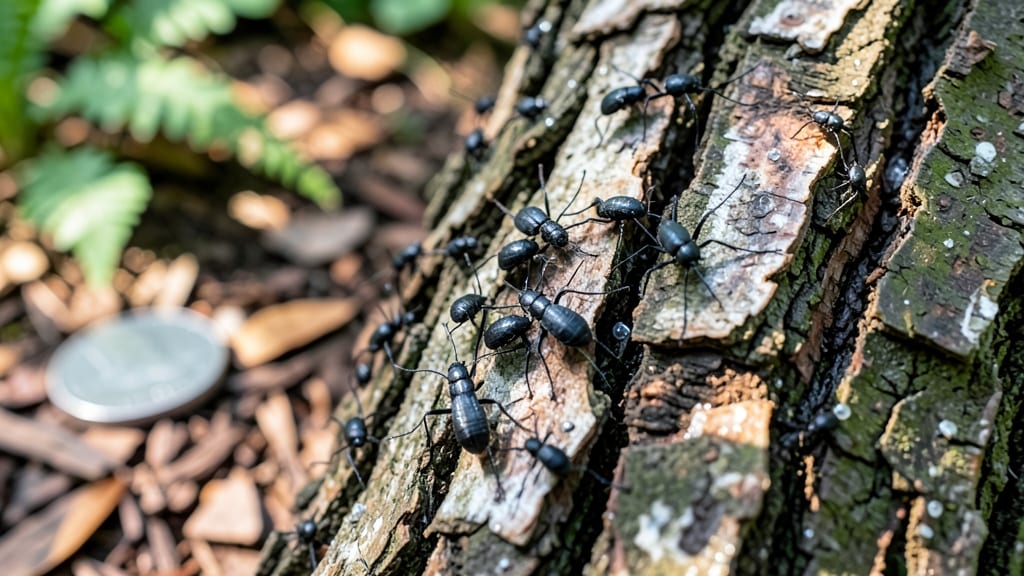
Those tiny black bugs crawling up your tree trunk aren’t just annoying—they could be bark beetles, ants, or scale insects, and they’re already stressing your tree. 🌳 I’ve seen firsthand how a small infestation turns into a full-blown crisis if ignored, but there’s a quick way to identify them and stop the damage before it spreads.
Most of these pests thrive in dry, stressed trees, so the first step is checking for signs like sawdust-like frass, sticky sap, or thinning foliage. A simple flashlight inspection at dusk reveals their activity patterns—some hide under bark, while others march in trails. The good news?
Most can be controlled without harsh chemicals if you act fast. Once you know what you’re dealing with, natural remedies like neem oil, insecticidal soap, or even introducing beneficial predators (like ladybugs) can turn the tide.
I’ve used these methods to save trees that looked doomed, and the results are visible within weeks. If the bugs keep coming back or your tree is already weakened, it’s time to call an arborist.
But for most cases, this guide gives you the tools to tackle the problem before it gets out of hand.
Root Causes of Tree Trunk Infestations
Discovering tiny black bugs crawling on your tree trunk can be unsettling, but understanding why they’re there is the first step to solving the problem. These pests rarely appear by chance—they’re drawn to specific conditions that make your tree an ideal home.
Below, we break down the most common reasons these invaders show up, along with the science behind their behavior.
Tree bark isn’t just a protective layer—it’s a nutrient goldmine for many insects. Tiny black bugs like sap-sucking aphids, scale insects, or borer larvae are attracted to:
- Sap and phloem: Trees produce sticky, sugar-rich sap (phloem) to transport nutrients. Bugs like aphids and mealybugs pierce bark to feed on this liquid, leaving behind a shiny, sticky residue (called honeydew).
- Decaying or damaged bark: Weakened trees—from disease, drought, or physical harm—emit volatile organic compounds (VOCs) that signal distress. Pests like bark beetles and fungus gnats detect these chemicals and move in to exploit the tree’s vulnerability.
- Fungal growth: Some bugs, like corticium rolfsii (a bark-infesting fungus), create a symbiotic relationship with insects. The fungus softens the bark, making it easier for bugs to burrow, while the insects spread fungal spores.
Actionable insight: Healthy bark is your first defense. Prune dead branches, seal wounds with tree sealant, and water deeply during droughts to keep your tree resilient. 💡 Pro tip: If you see black sooty mold (a fungus fed by honeydew), the bugs are already feasting—act fast!
Tiny black bugs thrive in specific environmental conditions. If your tree’s microclimate matches their preferences, you’ll see an infestation:
| Bug Type | Loves | Hates |
|---|---|---|
| Ants (e.g., carpenter ants) | Warm, humid bark (especially near water leaks or mulch piles) | Dry, well-ventilated trunks (they avoid direct sunlight) |
| Fungus gnats | Moist, rotting bark (common in overwatered or shaded trees) | Dry, airy conditions (they drown in drought) |
| Scale insects | Stagnant, high-humidity environments (they suffocate in dry air) | Strong airflow (they cling to sheltered bark) |
Why it matters: Bugs like ants often farm other pests (e.g., aphids) for their honeydew, creating a secondary infestation. If your tree is near a downspout, dripping hose, or dense mulch, moisture levels spike—perfect for gnats and mites. ✨ Fix it: Improve drainage, reduce mulch thickness (keep it 2–3 inches from the trunk), and prune for airflow.
Not all tiny black bugs on your tree trunk started there. Many are accidental stowaways from:
- Nearby infested plants: Bugs like psyllids or whiteflies jump from overgrown shrubs or weeds to trees. If your yard has ivy, hostas, or ornamental grasses, they’re likely bug buffets.
- Firewood or lumber: Bark beetles and borers hide in untreated wood. Stacking firewood against your tree trunk can introduce them directly.
- Wildlife activity: Birds, squirrels, and even ants carry eggs or larvae on their bodies. A bird’s nest near your tree? That’s an open invitation for pests. 🦉
- Wind or water: Some bugs, like spider mites, hitch rides on wind currents or rainwater to reach new hosts.
Prevention tip: Create a 3-foot "bug-free zone" around your tree. Remove leaf litter, avoid leaning firewood against the trunk, and inspect new plants before adding them to your yard. 🎯 Bonus: A citrus or neem oil spray on nearby plants can deter hitchhikers.
Not all trees are equally appealing to pests. Some species are naturally more attractive due to:
- Sap composition: Trees like willows, maples, and fruit trees have high-sugar sap, which draws aphids and scale insects.
- Thin or peeling bark: Smooth-barked trees (e.g., birch) or those with exfoliating bark (e.g., cherry) provide easy access for borers.
- Stress from genetics: Some trees, like elm or oak, are prone to pest-specific diseases (e.g., Dutch elm disease), making them weak targets.
What to do: If your tree is a known pest attractor, proactive treatments like beneficial nematodes (for grubs) or kaolin clay (as a physical barrier) can help. For high-risk trees, consult an arborist to assess resistance or treatment options.
Natural Ways to Remove and Prevent Tiny Invaders
If you’ve spotted tiny black bugs crawling on your tree trunk, don’t panic—there are effective, eco-friendly ways to tackle the problem. The solution depends on the culprit, but most methods focus on disrupting their life cycle, removing them manually, or using natural repellents.
Below, we break down the best fixes for each common cause, plus prevention tips to keep your trees pest-free long-term.
Why they’re there: These ants often nest in moist, decaying wood or bark, especially if your tree has cracks, wounds, or standing water nearby.
How to Fix It
🔹 🔥 Eliminate Their Water Source Ants need moisture to survive. Check for:
- Leaky sprinklers near the tree base
- Poor drainage causing soggy soil
- Rotten wood or bark (remove and replace if possible)
🔹 🍳 Natural Bait Stations Mix borax, sugar, and water (1:1:2 ratio) in a shallow dish near the tree. Ants carry it back to the nest, killing the colony. ⚠️ Keep away from pets/kids—borax is toxic if ingested.
🔹 👨🍳 Diatomaceous Earth Barrier Sprinkle food-grade DE around the tree trunk (but not directly on leaves). It dehydrates ants on contact. Reapply after rain.
🔹 🥘 Vinegar Spray (Quick Repellent) Mix equal parts white vinegar and water in a spray bottle. Lightly mist the trunk and surrounding soil. The strong smell disrupts their scent trails.
Why they’re there: These tiny bugs cluster on tree bark to feed on sap, leaving behind a sticky residue (honeydew) that attracts mold and other pests.
How to Fix It
🔹 🔪 Manual Removal (Best for Small Infestations)
- Wrap the trunk in double-sided tape or cardboard coated with petroleum jelly. Check daily and dispose of bugs.
- Use a soft brush dipped in soapy water to gently scrub off clusters.
🔹 🌡️ Horticultural Oil Spray Mix 1 tbsp horticultural oil + 1 tsp dish soap per quart of water. Spray the trunk and bark thoroughly. Reapply every 5–7 days for 2–3 weeks.
🔹 🎯 Beneficial Insects Release ladybugs or lacewings (available at garden centers). They prey on sap-suckers naturally.
💡 Pro Tip: If honeydew is present, wipe it off with a damp cloth to prevent sooty mold growth.
Why they’re there: These wood-boring insects tunnel under bark, weakening the tree. Look for sawdust-like frass or small holes.
How to Fix It
🔹 🔪 Prune Infested Branches Cut and burn or bag heavily infested branches (do not compost!). Seal cuts with pruning paint to prevent further entry.
🔹 🌡️ Trapping with Pheromone Baits Use commercial bark beetle traps (bought at garden stores) near the tree. Check weekly and dispose of trapped beetles.
🔹 🎯 Nematode Treatment (For Soil-Dwelling Larvae) Apply beneficial nematodes (like Heterorhabditis bacteriophora) to the soil. They seek out and kill larvae. Water the area well after application.
💡 Pro Tip: Healthy trees resist pests better—fertilize with slow-release organic fertilizer and mulch to improve tree vigor.
- 🌡️ Inspect Regularly
- Check your trees monthly, especially after rain or storms.
- Look for holes, sawdust, sticky residue, or swarms.
- 💡 Keep the Area Clean
- Remove fallen leaves, bark debris, and wood piles near trees.
- Trim overhanging branches to reduce hiding spots.
- 🌿 Improve Tree Health
- Water deeply but infrequently (overwatering attracts ants).
- Mulch properly (2–4 inches deep, keeping it away from the trunk).
- Avoid over-fertilizing—it attracts sap-suckers.
- 🎯 Natural Deterrents
- Plant repellent herbs like mint, basil, or lavender near the tree base.
- Use neem oil spray (1 tsp neem oil + 1 tsp soap per quart of water) as a preventive treatment.
- ✨ Long-Term Monitoring
- If pests return, consider professional arborist treatment for persistent infestations.
Final Note: Most tiny black bugs on tree trunks are not harmful to humans but can damage your tree if left unchecked. Act fast with these natural, chemical-free methods to protect your landscape! 🌳💚
Frequently asked questions
Are tiny black bugs on my tree trunk always harmful?
Not all are dangerous! Many, like carpenter ants or scale insects, can damage bark and weaken trees over time by sucking sap or tunneling. However, some—such as harmless bark beetles or ground beetles—are beneficial predators that eat other pests. The key is identifying them: if you see honeydew residue, sawdust-like frass, or thinning foliage, they’re likely causing harm.
How do I tell if the bugs are ants vs. bark beetles?
Look closely: ants have elbowed antennae, six legs, and often march in trails. Bark beetles are smaller (1/16"–1/8"), winged (unless they’ve shed them), and leave tiny exit holes with sawdust-like frass beneath. Shine a flashlight at dusk—their activity patterns differ too!
Will vinegar or soapy water actually kill these bugs?
Yes, but with limits. A vinegar-water spray (1:1 ratio) disrupts ants’ scent trails and dehydrates soft-bodied pests like scale insects. For soapy water, use 1 tsp mild dish soap per gallon—it suffocates bugs on contact but won’t penetrate deep into bark. Reapply every 3–5 days for best results. For stubborn infestations, pair with horticultural oil.
When should I call a professional arborist instead of DIY?
If you spot large swarms, oozing sap, or wilted branches, it’s time to call. Also seek help if: the tree is already stressed (drought, disease), the bugs are bark beetles (they reproduce rapidly), or natural methods fail after 4–6 weeks. Pro tip: Early intervention saves trees—don’t wait until you see dead branches!
Can I use neem oil on my tree trunk without harming it?
Neem oil is tree-safe when diluted (1 tsp neem + 1 tsp soap per quart of water) and applied at dusk to avoid sunburn. It disrupts pests’ life cycles without chemicals. Just avoid spraying direct sunlight or flowering parts—focus on bark and soil. Reapply every 7–10 days during active infestations.