
Trees
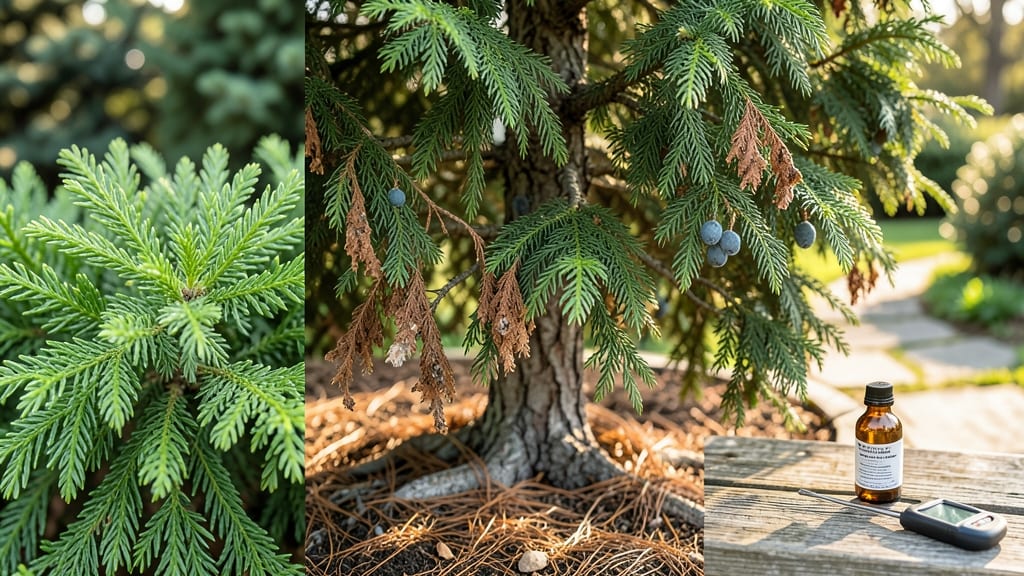
Your cedar tree’s leaves turning brown aren’t a death sentence—they’re a fixable frustration. 🌲 I’ve nursed back more than a few "dead" cedars by tackling the real culprits: drought, pests, or fungal stress.
The good news? Most cases reverse with targeted care, and I’ll show you exactly how in three simple steps.
First, rule out the obvious: watering. Cedars hate soggy roots but also dry spells—think of them as drought-tolerant but not drought-proof. Check the soil: if it’s bone-dry 2 inches down, give it a deep drink.
Too wet? Improve drainage fast, or you’ll invite root rot. Pests like bagworms or spider mites can also turn leaves crispy—inspect the undersides for webs or tiny eggs.
Once you’ve ruled out water and pests, focus on foliar health. A light application of horticultural oil (like neem) can smother fungal spores, while a balanced fertilizer (10-10-10) revives nutrient-starved branches.
Within 4-6 weeks, you’ll see fresh green growth pushing out from the tips—proof your cedar’s still fighting strong.
If brown patches persist after three months or spread aggressively, it’s time to call an arborist. Some cedar diseases (like needle cast) need professional fungicides. But in 90% of cases, this three-step approach brings back that rich, pine-fresh evergreen glow—no green thumb required.
Root Causes Behind Discolored Needles
When your cedar tree’s vibrant green needles start turning brown, it’s rarely a sign of instant doom—but it is a cry for attention. Understanding the why behind the browning is the first step to restoring your tree’s evergreen glory.
Below, we break down the most common culprits, from environmental stressors to hidden pests, with science-backed explanations and actionable insights.
Cedar trees are tough, but extreme heat or prolonged drought can push them past their limits. Needles turn brown because:
- Water loss exceeds uptake: When soil dries out, roots struggle to absorb moisture, causing desiccation (drying out) of needles. Cedars lose their waxy coating, making them more prone to sun scorch.
- Photosynthesis shutdown: Under stress, chlorophyll breaks down, and pigments like anthocyanins (reddish-brown hues) take over, signaling distress.
- Root zone compaction: Hard, packed soil restricts water flow, even if you’re watering regularly. Test your soil: Dig 6 inches deep—if it’s dry or crumbly, your tree isn’t getting enough hydration.
💡 Pro Tip: Deep watering (1–2 inches per week) during dry spells mimics natural rainfall. Use a soil moisture meter to check levels—aim for consistently moist (not soggy) soil.
Fungi thrive in damp, shady conditions, and cedars are prime targets for diseases like cedar needle blight (caused by Phomopsis or Septoria fungi). Here’s how it happens:
- Spores latch onto needles: Fungal spores germinate in wet foliage, creating dark brown lesions with yellow halos. Over time, infected needles drop prematurely.
- Environmental triggers: Overhead watering, poor air circulation (from dense planting), or cool, wet springs accelerate outbreaks.
- Weakened trees are vulnerable: Stress from drought, poor soil, or recent pruning makes cedars 3x more susceptible to fungal attacks.
🔍 Look for:
Symptom
Cause
Small, dark spots with white centers
Phomopsis needle blight (common in eastern red cedars)
Long, brown streaks along needles
Septoria needle cast (thrives in humid climates)
💡 Pro Tip: Prune before wet seasons to improve airflow. Apply copper fungicide (like Copper Soap) as a preventive spray in early spring.
Cedar trees are magnets for pests like bagworms, spider mites, and cedar bark beetles, all of which drain nutrients and leave brown, crunchy needles in their wake.
- Bagworms: These caterpillars spin silk bags on branches, chewing needles into a skeletonized, brown mess. Heavy infestations can defoliate a tree in weeks.
- Spider mites: Tiny but destructive, they suck cell sap, causing stippling (tiny brown dots) and webbing between needles. Hot, dry weather worsens outbreaks.
- Bark beetles: While less common in cedars than pines, they bore into bark, disrupting water flow and causing bronzing (needles turn reddish-brown).
🕵️♂️ Spot the signs:
- White silk bags on branches = bagworms.
- Fine webbing on needles + tiny moving dots = spider mites.
- Sawdust-like frass near the base = bark beetles.
💡 Pro Tip: For bagworms, handpick bags into soapy water during larval stages (June–July). For mites, blast needles with water to dislodge them, then apply neem oil (repeat weekly until gone).
While drought is a villain, too much water is just as damaging. Cedars hate soggy roots because:
- Oxygen deprivation: Waterlogged soil starves roots of oxygen, leading to root rot (caused by fungi like Phytophthora). Brown needles = the tree’s last-ditch effort to conserve water.
- Nutrient leaching: Excess water washes away essential minerals (like nitrogen and potassium), weakening the tree’s defenses.
- Compacted soil: Clay or poorly amended soil traps moisture, creating the perfect rot-friendly environment.
💡 Pro Tip: Improve drainage by:
- Amending soil with compost or sand (50/50 mix).
- Avoiding mulch piles against the trunk (keep 6+ inches away).
- Planting cedars on mounds in heavy-clay areas to encourage runoff.
If your tree is already suffering, reduce watering immediately—let the top 2 inches of soil dry out between sessions.
Airborne pollutants (like ozone, sulfur dioxide, or road salt) and improper herbicide use can turn cedar needles brown by:
- Disrupting photosynthesis: Ozone damages leaf cells, causing interveinal chlorosis (yellowing between veins) that progresses to brown.
- Salt stress: Road salt (NaCl) accumulates in soil, dehydrating roots and burning needle tips. Even one application can cause long-term damage.
- Herbicide drift: Glyphosate or 2,4-D can kill cedars if sprayed nearby, leading to necrotic (dead) brown patches.
🚨 Warning Signs:
- Brown tips on one side of the tree = wind-blown salt or pollution.
- Symmetrical browning = herbicide exposure.
💡 Pro Tip: If pollution is the culprit, there’s no quick fix—but mulching with pine straw can buffer soil pH and reduce salt absorption. For herbicide damage, flush the soil with water and monitor for new growth.
Revive Your Cedar’s Foliage
When your cedar tree’s leaves turn brown, it’s a clear call to action—but don’t panic! With the right approach, you can restore that lush, evergreen beauty. Below, we break down cause-specific fixes to tackle the issue head-on, plus prevention tips to keep your tree thriving long-term.
---
If brown leaves are accompanied by black spots, powdery residue, or wilting, a fungal infection (like cedar blight or needle cast) is likely the culprit.
How to Fix It: 🍳 Remove Infected Branches – Use sterilized pruners (wipe with rubbing alcohol between cuts) to trim and dispose of heavily affected branches. Focus on dead or discolored foliage first. 👨🍳 Apply Fungicide – Spray a copper-based or sulfur fungicide (like Bonide Copper Fungicide) on the tree, following label instructions. Reapply every 2–4 weeks during wet seasons. 🥘 Improve Airflow – Thin out dense branches to reduce humidity buildup, which fungi love. Space trees 6–10 feet apart if replanting.
💡 Prevention Tip: Water at the base (not overhead) and avoid mulching too close to the trunk to prevent fungal spores from settling.
---
Brown leaves can also signal drought, heat stress, or poor soil conditions. Cedars are drought-tolerant but still need consistent moisture and proper drainage.
How to Fix It: 🔥 Deep Watering – Water slowly and deeply (1–2 inches per week) to encourage deep root growth. Morning watering prevents evaporation. 🍎 Mulch Properly – Apply 2–3 inches of organic mulch (wood chips or pine straw) around the base, but keep it 6 inches away from the trunk to avoid rot. ✨ Shade Relief – If your tree is in a hot, sunny spot, provide partial afternoon shade (especially for young cedars) to reduce stress.
🎯 Prevention Tip: Test your soil (pH 6.0–7.0 is ideal for cedars). Amend with compost or peat moss if soil is too alkaline or compacted.
---
If you spot tiny holes, webbing, or sawdust-like frass, pests like bagworms, spider mites, or cedar bark beetles may be to blame.
How to Fix It: 🔪 Handpick or Bagworms – Look for small, brown bags on branches. Drop them into soapy water to kill larvae. 🌡️ Spray Neem Oil or Insecticidal Soap – Mix 1 tsp neem oil per quart of water and spray early morning or evening to avoid harming bees. 🚫 Avoid Chemical Overuse – If using permitrin or carbaryl, apply only as a last resort and follow safety guidelines.
💡 Prevention Tip: Install pheromone traps in early spring to catch adult moths before they lay eggs. Encourage natural predators (like birds) by adding a bird feeder nearby.
--- Yellowing or brittle brown needles may signal a lack of nitrogen, iron, or magnesium.
How to Fix It: 📊 Use a Balanced Fertilizer – Apply a slow-release, acidic fertilizer (like 10-10-10) in early spring. Follow package rates—over-fertilizing burns roots! 🥗 Epsom Salt for Magnesium – Mix 1 tbsp Epsom salt per gallon of water and spray on foliage if leaves show yellowing between veins. 💪 Organic Boost – Work compost or aged manure into the soil annually to improve nutrient retention.
🎯 Prevention Tip: Avoid fertilizing in fall or winter—cedars are dormant and won’t absorb nutrients well.
--- If your cedar shows large dead patches, oozing sap, or severe wilting, the damage may be beyond DIY fixes. A certified arborist can diagnose root rot, advanced blight, or structural issues and provide targeted treatments like deep soil aeration or systemic fungicides.
--- Final Thought: Most brown-leaf issues are reversible with prompt action! Monitor your tree’s progress, adjust care as needed, and soon, those vibrant green needles will return—keeping your cedar healthy for years. 🌲✨
Frequently asked questions
Why do cedar tree leaves turn brown in patches rather than all at once?
Patchy browning usually signals localized stress from pests or fungal infections. Bagworms or spider mites often create irregular brown spots as they feed, while fungal diseases like cedar blight start in damp areas. Check for tiny webs, silk bags, or dark lesions to identify the culprit.
Can I prune brown needles off my cedar tree?
Yes, but only remove dead or diseased branches—never healthy green growth. Use sterilized pruners to cut back to fresh green wood, and dispose of infected clippings in sealed bags. Prune in late winter or early spring for best results.
How long does it take for cedar leaves to recover after treatment?
With proper care, you’ll typically see new green growth in 4-6 weeks. Fungal issues may take longer (up to 3 months) to fully resolve. Monitor your tree’s progress and adjust watering/fertilizer as needed. Patience is key—cedars are resilient!
Is brown needle drop normal in fall?
Cedars naturally shed some needles annually, but excessive fall browning isn’t normal. Healthy trees lose about 10% of needles per year—if you’re seeing more than that, check for underlying stress from drought, pests, or poor soil.
When should I call an arborist about my cedar's brown leaves?
Consult a professional if you notice large dead patches, oozing sap, or no improvement after 3 months of care. Advanced fungal infections, root rot, or structural damage require expert treatment. Early intervention saves your tree!