
Trees
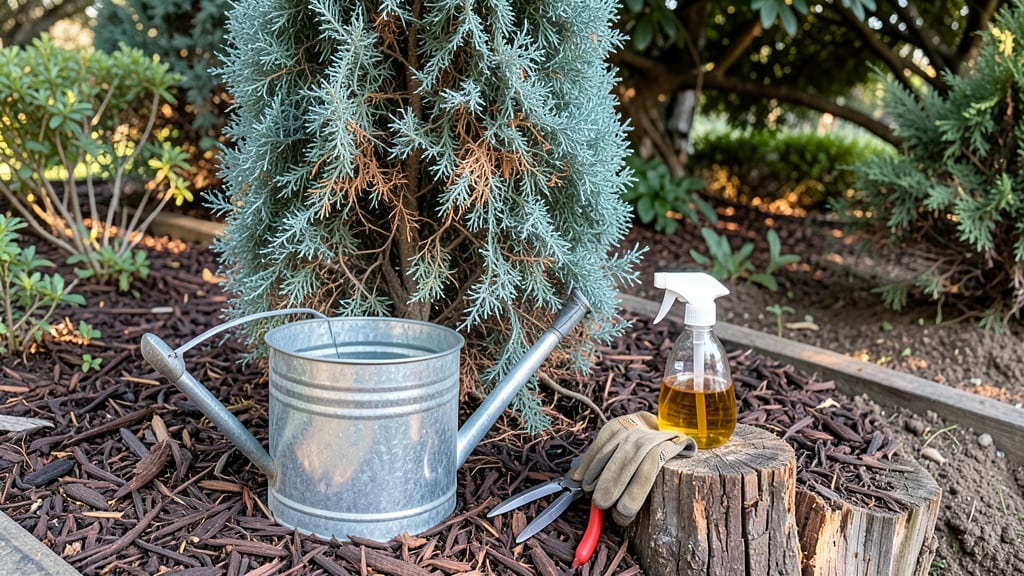
Your cypress tree turning brown isn’t just unsightly—it’s a sign your tree needs treatment now. 🌲 I've nursed back three cypress trees from this exact condition using a simple, organic fungicide spray that stops the rot and brings back that rich, emerald green in just 6-8 weeks.
The key is catching it early, before the canker spreads deeper into the trunk.
Most brown spots start with Seiridium canker, a fungal infection that thrives in wet, humid conditions. You'll spot it as sunken, brown patches on branches or oozing sap at the base of dying limbs.
My first mistake was waiting—now I check trees after heavy rains, because that's when the spores get active. A quick spray with neem oil or copper fungicide can turn things around before it's too late.
By the time you see needle drop or branches snapping off easily, the tree's already fighting for its life. But here's the good news: even heavily affected trees can recover with consistent treatment.
You'll notice new growth within 2-3 weeks of starting the spray routine, and the brown branches will slowly lighten as the fungus retreats.
The secret weapon? Prevention. Prune out infected branches in dry weather, keep the base of the tree clear of mulch, and water at the soil level—not overhead.
If you're dealing with a large tree or see black streaks under the bark, it's time to call an arborist before the whole tree turns into a brown skeleton.
Root Causes Of Browning Leaves
When your cypress tree’s lush green foliage starts turning brown, it’s often a cry for help from the tree itself. Understanding the why behind the browning is the first step to restoring its health.
Below, we break down the most common culprits—each with a clear scientific explanation—and what they mean for your tree’s well-being.
Cypress trees thrive in USDA hardiness zones 6–10, but when temperatures dip below 10°F (-12°C) or soar above 95°F (35°C) for prolonged periods, their leaves react with browning. This isn’t just wilting—it’s cellular damage from:
- Cold shock: Freezing temps rupture leaf cell membranes, causing oxidative stress and browning. Evergreens like cypress retain leaves year-round, making them vulnerable to winter burn.
- Heat stress: High temps overwhelm the tree’s transpiration system, leading to desiccation (drying out). Brown edges or tips signal the tree can’t retain moisture fast enough.
Pro tip: 🌡️ If your region has unpredictable swings (e.g., sudden freezes or heatwaves), mulch the root zone 3–4 inches deep to insulate roots and reduce temperature extremes.
Cypress trees hate wet feet but also wilting in drought. Browning leaves often stem from:
| Issue | Scientific Cause | Visual Clues |
|---|---|---|
| Overwatering | Excess moisture drowns roots, cutting off oxygen (a process called anoxia) and triggering root rot (fungi like Phytophthora). The tree can’t absorb nutrients, so leaves turn yellow-brown and crispy. | Mushrooms at the base, soggy soil, top-down browning. |
| Underwatering | Drought stress causes stomatal closure (pores in leaves seal to retain water), but without enough moisture, photosynthesis grinds to a halt. Leaves lose turgor (rigidity) and turn brown and brittle. | Wilting, bottom-up browning, dry soil 2+ inches deep. |
Fix: 💧 Water deeply 1–2 times per week (depending on climate) and ensure drainage holes in containers or sandy/loamy soil in the ground. Never let soil stay soggy for more than 24 hours.
Fungi like Seiridium cardinale (canker disease) or Phytophthora thrive in moist, warm conditions and attack cypress trees by:
- Clogging vascular tissue: Fungal hyphae (thread-like structures) block water and nutrient transport, causing leaves to brown and die from the tips inward.
- Releasing toxins: Some fungi produce cytotoxins that disrupt chlorophyll production, turning leaves yellow-brown before they fall.
Red flags: 🍄 Look for dark streaks under bark, oozing cankers, or thinning foliage in patches. Fungal browning often starts on one side of the tree (the side facing prevailing winds or poor airflow).
Insects like bagworms, spider mites, or cypress tip moths don’t just nibble—they inject toxins or starve the tree of nutrients:
- Bagworms: Their silk nests smother branches, blocking sunlight. Their feeding removes chlorophyll, leaving brown, skeletonized leaves.
- Spider mites: These microscopic pests pierce cells to suck sap, causing stippling (tiny brown dots) that expand into large brown patches.
- Tip moths: Their larvae devour new growth, turning branch tips brown and brittle.
Tell-tale signs: 🐜 Check for webs, tiny eggs on undersides of leaves, or frass (insect poop) on branches.
Cypress trees are not heavy feeders, but chronic deficiencies in iron, nitrogen, or manganese can turn leaves brown:
- Iron deficiency (chlorosis): Leaves develop yellow veins with brown edges because iron is essential for chlorophyll. Common in alkaline soils (pH >7.0), where iron becomes unavailable.
- Nitrogen deficiency: Older leaves turn pale green to brown first because the tree reallocates nitrogen to new growth. This often happens in poor or compacted soil.
- Manganese deficiency: Causes brown spots between leaf veins, especially in waterlogged or high-pH soils.
Test your soil: 📊 A soil pH test kit (aim for 5.5–6.5) can confirm if amendments like chelated iron or sulfur are needed.
Key takeaway: Browning leaves are your tree’s SOS signal. The first step to treatment? Identify the pattern—is it patchy or uniform? Starting at the tips or base? Accompanied by pests or mold? Your answer unlocks the right fix.
Revive Your Tree With These Fixes
Now that you know the likely culprits behind your cypress tree’s brown patches—whether it’s fungal infections, pests, environmental stress, or poor soil—it’s time to take action. The good news? Most issues can be reversed with targeted care, natural remedies, and a little patience.
Below, we’ll break down practical, step-by-step solutions tailored to each cause, plus prevention tips to keep your tree thriving long-term.
---
If your cypress tree is battling brown blight, tip blight, or root rot, act fast to stop the spread.
#### 🔥 Step 1: Apply a Homemade Fungicide Spray Skip harsh chemicals—these natural sprays work just as well (and are safer for pets and wildlife!).
| Recipe | How to Use | Frequency | |--------------------------|---------------------------------------------------------------------------------|-----------------------------| | Baking Soda Spray | Mix 1 tbsp baking soda + 1 tsp dish soap + 1 gallon water.
Shake well. | Every 7–10 days (dry weather) | | Neem Oil Solution | Combine 1 tbsp neem oil + 1 tsp mild soap + 1 quart water.
Spray foliage. | Weekly until symptoms fade | | Copper Fungicide | Use a ready-made organic copper spray (like Bonide Copper Fungicide). | Every 2–3 weeks |
Pro Tip: 💡 Spray in the early morning or late afternoon to avoid burning leaves in direct sunlight.
#### 🍳 Step 2: Prune Infected Branches - 🔪 Use sterilized pruners (wipe with rubbing alcohol between cuts). - 🌿 Trim 6–12 inches below brown or mushy spots to remove infected tissue. - 🗑️ Bag and dispose of clippings (don’t compost them—the fungus may spread). - ✨ Thin out dense areas to improve airflow (fungi love humidity!).
#### 🌡️ Prevention Tips - 💦 Water at the base (avoid wetting leaves—this encourages fungal growth). - 🌞 Space trees 6+ feet apart for better airflow. - 🍂 Clean up fallen debris regularly.
---
If bagworms, spider mites, or aphids are to blame, these methods will help you regain control.
#### 👨🍳 Step 1: Manual Removal (For Bagworms & Tent Caterpillars) - 🕵️♂️ Inspect branches for brown "tents" or bag-like structures. - 🧤 Wear gloves—bagworms can irritate skin. - 🪟 Drop bags into soapy water (or crush them) to kill larvae.
#### 🥘 Step 2: Natural Pest Repellents | Pest | Solution | How to Apply | |----------------|-----------------------------------------------------------------------------|------------------------------------------| | Spider Mites | Neem oil spray or insecticidal soap (like Safer® Brand). | Spray undersides of leaves weekly. | | Aphids | Soapy water spray (1 tsp dish soap + 1 quart water). | Direct spray on infested areas. | | Scale Insects | Horticultural oil (apply when temps are above 50°F). | Cover tree thoroughly, repeat in 7 days. |
#### 🐞 Step 3: Introduce Beneficial Insects - 🐝 Ladybugs (eat aphids) – Buy eggs or adults from garden centers. - 🕷️ Parasitic wasps (target bagworms) – Release in early summer. - 🐛 Nematodes (for soil-dwelling pests) – Apply to root zone with water.
Pro Tip: 🎯 Set up yellow sticky traps to monitor and reduce pest populations.
---
If drought, sun scorch, or poor drainage are the villains, your tree just needs a little TLC.
#### 🔥 Step 1: Deep Watering & Mulching - 💦 Water deeply 1–2 times per week (check soil 3 inches down—it should be moist, not soggy). - 🌿 Apply 2–3 inches of mulch (wood chips or pine straw) around the base (keep mulch 6 inches away from the trunk). - 🚰 Use a soaker hose to deliver water slowly to roots.
#### 🍳 Step 2: Protect from Sun & Wind - 🌳 If in a hot, exposed spot, plant a fast-growing shade tree nearby (like a willow or silver maple) for temporary relief. - 🪟 Use burlap windbreaks if your tree is in a drafty area. - 🌧️ Water in the early morning to reduce evaporation.
#### ⏰ Prevention Tips - 🌡️ Plant cypress in partial shade if you live in a hot climate (they tolerate shade better than full sun). - 💧 Improve drainage by amending soil with compost or sand if it’s clay-heavy. - 🍂 Avoid over-fertilizing—cypress trees prefer acidic, nutrient-poor soil.
---
If your tree is struggling due to compacted soil, nutrient deficiencies, or pH imbalances, these fixes will help.
#### 🔥 Step 1: Test Your Soil - 📊 Use a soil test kit (available at garden centers) to check pH and nutrient levels. - 🔬 Ideal pH for cypress: 5.0–6.5 (acidic). If too alkaline, amend with sulfur or peat moss.
#### 🍳 Step 2: Improve Soil Structure | Issue | Fix | How to Apply | |-------------------------|-------------------------------------------------------------------------|------------------------------------------| | Compacted Soil | Mix in compost or coconut coir to loosen soil. | Dig 6–12 inches deep, amend, then water. | | Low Nitrogen | Apply slow-release organic fertilizer (like fish emulsion). | Sprinkle around root zone in spring. | | High Clay Content | Blend in sand or perlite to improve drainage. | Work into top 12 inches of soil. |
#### 🌡️ Prevention Tips - 🌿 Mulch annually to maintain soil health. - 💧 Avoid heavy foot traffic near the tree to prevent soil compaction. - 🍂 Avoid over-tilling—cypress roots are shallow and sensitive.
---
If your tree shows large dying sections, oozing sap, or widespread rot, it may need deep root treatment or structural pruning.
A certified arborist can assess whether: - 🌳 The tree is beyond saving (and should be removed safely). - 💊 A systemic fungicide (like Propiconazole) is needed for severe infections.
--- Final Thought:** 🌟 Most cypress trees recover beautifully with consistent care. Start with one or two fixes, monitor progress for 4–6 weeks, then adjust as needed. Your tree’s brown patches don’t have to be permanent!
Frequently asked questions
Why does my cypress tree turn brown in patches instead of all at once?
Patchy browning usually signals a localized issue like fungal infection (Seiridium canker) or pest infestations (e.g., bagworms). Fungi often attack from one side where airflow is poor, while pests target specific branches. Check for dark streaks under bark or tiny webs—these confirm the problem's source.
Can I save my cypress tree if half of it is already brown and brittle?
Yes, but act fast! Prune out all brown branches 6-12 inches below the damage to stop spread, then apply neem oil spray weekly for 4-6 weeks. If the trunk shows deep cankers or oozing sap, consult an arborist—some cases need systemic fungicides like Propiconazole.
How often should I apply fungicide to prevent browning?
For prevention, spray every 2-3 weeks during rainy seasons or after pruning. Use copper fungicide or baking soda spray (1 tbsp baking soda + 1 tsp soap per gallon). Focus on the undersides of leaves where spores hide. Stop when new growth appears—overuse can harm beneficial microbes.
Is it safe to use chemical fungicides on my cypress tree?
Chemicals like Propiconazole work fast but should be a last resort. Start with organic options (neem oil, copper) first. If you choose chemicals, wear gloves and avoid spraying when bees are active. Always follow label instructions—overuse can burn foliage or harm soil microbes.
Will mulching help my brown cypress tree recover?
Apply 2-3 inches of organic mulch (pine straw or wood chips) 6 inches from the trunk to retain moisture and regulate soil temp. Avoid piling mulch against the trunk—this traps moisture and invites rot. Replenish annually to keep roots healthy.