
Container Gardens
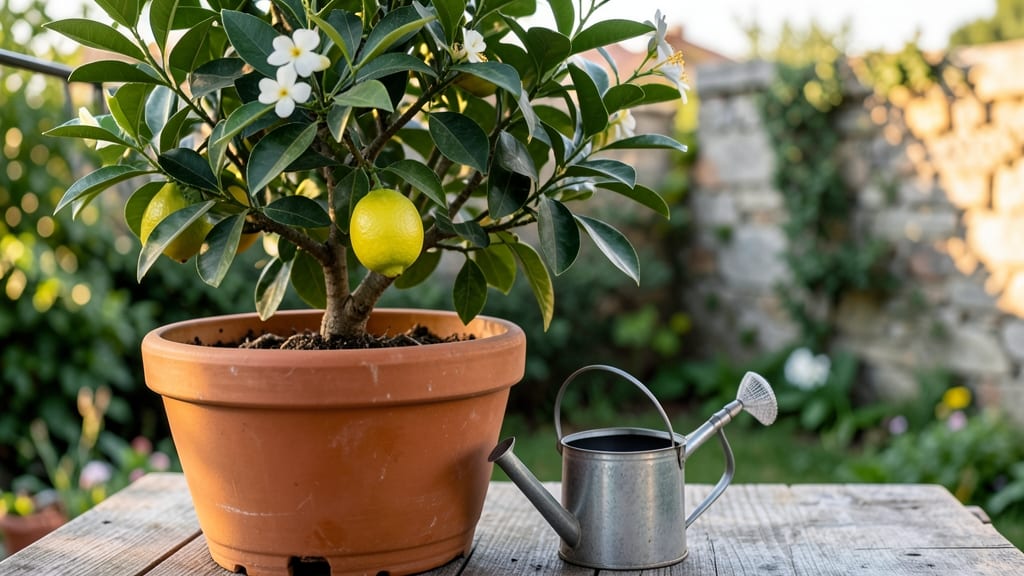
You can keep a lemon tree in a pot using dwarf varieties like 'Meyer' or 'Improved Meyer,' which adapt well to container life when provided with ample sunlight, nutrient-rich soil, and consistent moisture. Regular repotting every 2-3 years ensures healthy root development and continuous fruit production.
Dwarf lemon trees are specifically bred to thrive in containers, making them perfect for patios, balconies, or even sunny windowsills. 🌱 The key to success lies in choosing the right variety—'Meyer' lemons, for example, are cold-hardy enough to survive brief temperature drops and produce sweet, flavorful fruit year-round.
Unlike their full-sized counterparts, these compact trees focus their energy on producing lemons rather than growing tall, which means you can enjoy homegrown citrus without needing a backyard.
Just remember that even dwarf varieties need a minimum 10-12 inch pot to prevent root crowding, and they'll reward you with blooms and fruit within 2-3 years of planting.
Container gardening also gives you control over soil quality, which is crucial for lemon trees. A mix of 60% potting soil, 30% perlite or sand, and 10% compost creates the ideal well-draining environment these trees crave.
I always add a slow-release fertilizer at planting time to give my potted lemon trees a nutritional head start, and then supplement with liquid fertilizer every 4-6 weeks during the growing season. The trade-off?
You'll need to monitor watering closely—containers dry out faster than ground soil, so check moisture levels daily during hot weather.
💡 In This Article
- Best Dwarf Lemon Tree Varieties for Pots
- Container Care Tips for Healthy Potted Lemon Trees
Best dwarf lemon tree varieties for pots
Dwarf lemon trees are specifically bred to thrive in containers, with 'Meyer' and 'Improved Meyer' leading the pack due to their compact size and adaptability.
The 'Meyer' variety typically reaches 6-10 feet tall in containers, while 'Improved Meyer' stays slightly shorter at 4-6 feet, making them ideal for patios or large windowsills.
Both varieties produce sweet, flavorful fruit—Meyer lemons are particularly known for their thin skins and mild, almost honey-like taste, perfect for eating fresh or using in cocktails. 🌿
Another excellent option is the 'Four Seasons' lemon tree, which blooms and fruits continuously, giving you lemons year-round. This variety handles indoor conditions better than most, making it a top choice for sunny apartments.
For those in cooler climates, 'Ponderosa' lemons are worth considering—they grow slightly larger but produce massive, textured fruit with a rich, complex flavor. However, these require more space (12-15 inch pots) and may need winter protection if temperatures drop below 20°F.
Cold hardiness varies significantly between varieties. 'Meyer' lemons can tolerate brief dips to 20-25°F, while other dwarf types may struggle below 30°F. If you live in a colder region, consider moving your potted lemon tree indoors near a south-facing window during winter.
The key is balancing sunlight exposure—lemon trees need 6-8 hours of direct light daily, but indoor lighting often falls short, which is why outdoor placement during warmer months is ideal for optimal growth and fruiting.
Root growth patterns also differ by variety. 'Meyer' lemons develop a fibrous root system that spreads outward, making them well-suited for wide, shallow pots. In contrast, 'Ponderosa' varieties tend to grow deeper roots, requiring taller containers to prevent root binding.
This is why choosing the right pot size (10-15 inches in diameter) based on your specific variety can make or break your tree's health and productivity. 🌱
One often-overlooked factor is the tree's growth rate. 'Meyer' lemons grow about 12-18 inches per year in containers, while 'Four Seasons' varieties can grow slightly faster under ideal conditions.
This rapid growth means you'll need to repot every 2-3 years to accommodate expanding roots, typically increasing pot size by 2-4 inches in diameter each time.
The goal is to give roots room to spread while maintaining a balance between container size and the tree's energy output—too large a pot can lead to overwatering issues.
When selecting a variety, consider your specific growing conditions. If you're limited to indoor spaces, 'Four Seasons' or 'Meyer' are your best bets due to their adaptability. For outdoor gardens with milder winters, 'Ponderosa' offers a rewarding challenge with its unique fruit.
The right choice depends on your climate, available space, and how much maintenance you're willing to invest—each variety brings its own set of care requirements and rewards. 🍋