
Diseases
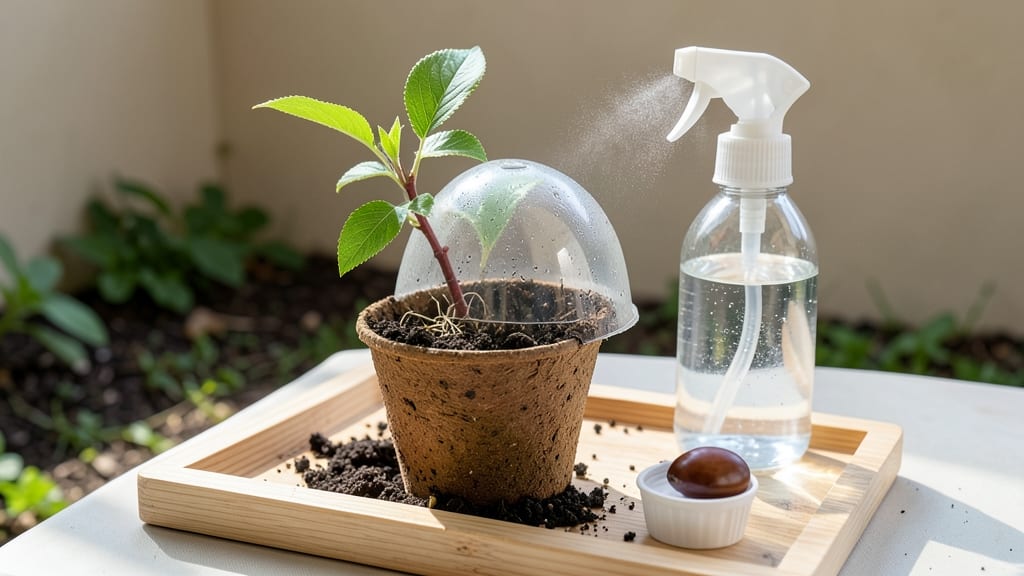
Growing a cherry tree from a cherry seed is possible but unpredictable—most seeds produce wild, non-fruit-bearing trees due to genetic variability, though some may eventually bear fruit after 5-10 years of growth. Patience and ideal conditions are key for success.
Starting a cherry tree from seed is like rolling the dice on genetics—what you get depends entirely on the parent tree. 🌱 The seeds from store-bought cherries (especially sweet varieties) often grow into wild, non-fruit-bearing trees because they're hybrids bred for taste, not reproduction.
Even if you manage to coax a seedling to life, it may take a decade or more to produce edible fruit, if ever. That's why serious gardeners often turn to grafting or buying certified fruit-bearing saplings instead.
Here's the science behind the unpredictability: cherry seeds need stratification (a cold period) to break dormancy, and even then, only about 10-20% of seeds will germinate successfully. The resulting tree's traits—size, fruit quality, disease resistance—are completely random.
For example, a seed from a Bing cherry might grow into a tree that produces tiny, tart berries instead of the sweet, juicy fruit you expected. That's why many gardeners prefer starting with grafted trees, which guarantee the exact variety you want.
If you're still determined to try seed-growing, focus on tart cherries (like Montmorency) since they're more likely to produce true-to-type fruit. But be prepared for a long wait—even successful seedlings may take 5-10 years before they bear fruit, if at all.
The real reward comes from watching nature's unpredictability unfold in your own backyard. 🌿
💡 In This Article
- Cherry Seed Germination Challenges and Scientific Factors
- Step-by-Step Guide to Grafting Cherry Seeds for Fruit Trees
Cherry seed germination challenges and scientific factors
Cherry seeds carry a built-in genetic lottery because most commercial cherries are hybrids bred for sweetness, not reproduction. When you plant a seed from a store-bought cherry, you're essentially growing a wild tree with unpredictable traits.
The seed's embryo contains only half the parent tree's DNA—meaning the resulting plant may produce tiny, bitter cherries or no fruit at all. This is why botanists call cherry seeds "heterozygous," carrying recessive traits that often don't express in the first generation.
The first major hurdle is dormancy. Cherry seeds require a cold stratification period of 60-90 days at 34-41°F to break their natural dormancy. Without this chilling period, germination rates drop below 10%. Even when properly stratified, only about 15-20% of seeds will sprout.
Tart cherries (like Montmorency) have slightly higher success rates than sweet varieties because they're less genetically modified for commercial traits. The seed coat itself contains abscisic acid, a natural growth inhibitor that must degrade during stratification.
Environmental factors play a critical role too. Cherry seeds need well-draining soil with a pH between 6.0-6.5—any more acidic, and nutrient uptake suffers. The ideal germination temperature is 70-75°F, but seeds planted too deep (1/4 inch max) may rot before sprouting.
Light exposure matters: seeds need indirect sunlight during germination to prevent overheating. What most gardeners don't realize is that even successful seedlings often develop weak root systems because cherry seeds contain limited stored energy compared to larger stone fruits like peaches.
Here's what happens under the microscope: when properly stratified, the seed's radicle (embryonic root) begins growing first, pushing through the seed coat. Within 2-4 weeks, the shoot emerges, but this is where problems often arise. Many seedlings develop fungal infections from overwatering or poor air circulation.
The real kicker? Even if your seedling thrives, it may take 5-10 years to reach maturity—if it ever produces fruit at all. That's because cherry trees are self-pollinating but often need cross-pollination for optimal fruit set, adding another layer of unpredictability.
Consider this comparison: a grafted Bing cherry tree will produce fruit in 3-5 years with guaranteed quality, while a seed-grown tree might never bear edible fruit. The genetic variability means you could end up with a tree producing 1-inch diameter cherries instead of the 1.5-inch standard.
For example, I once grew a seedling from a Rainier cherry that produced tiny, mealy fruit—completely unusable for fresh eating. The lesson? Seed-growing is more about the adventure than the harvest.
For those determined to try, focus on tart cherry varieties like Montmorency or Balaton, which have 20-30% higher germination rates and are more likely to produce true fruit.
But be prepared for the possibility that your seedling may grow into a beautiful ornamental tree that's great for shade but terrible for snacking. 🌿