
Blooming
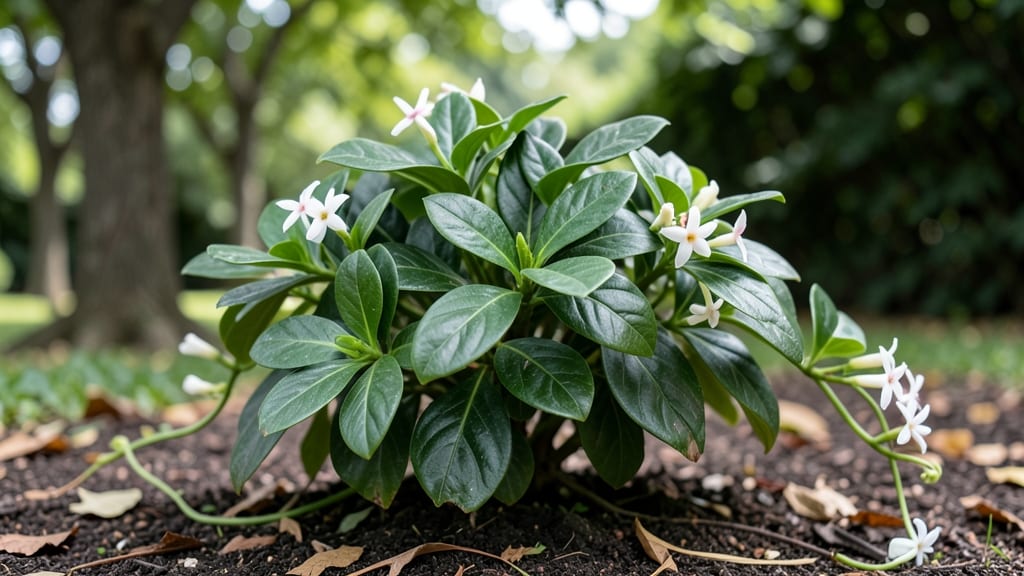
Choosing between a Bradford pear tree and a cherry blossom for spring color means weighing bold drama against fleeting beauty. 🌸 The Bradford pear explodes with snow-white blooms in late April, then delivers striking fall color—but its weak wood and fire blight risk make it a high-maintenance diva.
Cherry blossoms, on the other hand, offer delicate pink perfection for just two weeks, followed by glossy green leaves that fade into summer. The Bradford’s vibrant white canopy turns heads from a distance, while cherry blossoms charm up close with their fragrant, layered petals.
Both need full sun, but the pear tolerates urban pollution better—perfect for city curbs, while cherry blossoms thrive in moist, well-drained soil and beg to be planted near patios or ponds. Neither is truly low-maintenance, though the pear’s brittle branches demand regular pruning to prevent storm damage.
For long-term color, the Bradford wins with its fall foliage and persistent interest, but cherry blossoms deliver unmatched seasonal drama when in bloom.
Pair them in a mixed border: use the Bradford as a bold backdrop and cherry blossoms as a romantic foreground, or plant them side by side for a springtime color gradient.
Just skip the Bradford if you hate cleanup—its messy fruit and weak limbs are a trade-off for its showy seasons. Urban gardeners often regret the Bradford’s reputation for failure, while traditionalists adore cherry blossoms’ classic elegance.
Your choice hinges on whether you prioritize year-round interest or two weeks of pure magic. Either way, both trees demand space—25-30 feet wide at maturity—so plan accordingly. Which one will steal your spring?
The first product explained
Meet the Bradford Pear Tree—a springtime superstar that’s as tough as it is beautiful! 🌸 Known scientifically as Pyrus calleryana 'Bradford', this tree is a favorite among homeowners and landscapers for its bold, fragrant white blooms and low-maintenance nature.
Let’s dive into what makes this tree a standout choice for your yard.
🌿 Key Specs & Features
- Height: Matures between 30–50 feet tall, making it perfect for medium to large landscapes.
- Spread: Grows 25–40 feet wide, offering ample shade and visual impact.
- Bloom Time: Explodes with white flowers in early spring (March–April), often before leaves emerge.
- Foliage: Dark green, glossy leaves that turn a soft yellow in fall.
- Fragrance: Highly aromatic blooms that fill the air with a sweet, citrusy scent.
- Hardiness: Thrives in USDA Zones 5–9, tolerating both heat and cold.
- Soil Preference: Adaptable to a wide range of soils but prefers well-draining conditions.
- Sunlight Needs: Full sun to partial shade (6+ hours of sunlight daily for best blooms).
🎯 Who’s It For?
This tree is a versatile powerhouse suited for:
- Homeowners looking for a low-maintenance, fast-growing shade tree with seasonal color.
- Landscapers and urban planners needing a drought-tolerant option for streetscapes or parks.
- Wildlife enthusiasts—its flowers attract bees and butterflies, while its fruit (though not edible for humans) feeds birds.
- Small-space gardeners (dwarf varieties like 'Chanticleer' are available for tighter areas!).
💰 Price Point & Availability
The cost of a Bradford Pear Tree varies based on size and supplier, but here’s a general range:
| Size | Price Range (USD) | Best For |
|---|---|---|
| 1–3 gallon (small) | $40–$80 | New plantings, small yards |
| 7–15 gallon (medium) | $100–$250 | Established landscapes, faster growth |
| 25+ gallon (large) | $300–$600+ | Mature yards, instant shade/impact |
Pro Tip: 💡 Check local nurseries or online retailers like Fast-Growing-Trees.com or Arbor Day Foundation for seasonal sales and discounts!
The second product explained
If the Bradford Pear Tree is the bold, no-fuss star of early spring, then the Cherry Blossom Tree is the delicate, dreamy centerpiece of seasonal romance. Let’s dive into why this iconic bloomer might steal your heart—and your garden space!
🌸 Key Specs & Features
The Cherry Blossom Tree (especially Prunus serrulata, the Japanese cherry) is a showstopper with these standout traits:
- Bloom Time: Late April to early May (varies by climate zone).
- Flower Color: Soft pink, white, or pale purple—think whimsical clouds over your yard!
- Height & Spread: Matures at 20–30 feet tall and 20–25 feet wide (dwarf varieties available).
- Foliage: Lush, green leaves that turn golden in fall (though not as vibrant as Bradford Pear’s fiery hues).
- Fragrance: Heavily scented—some varieties (like Kwanzan) perfume the air for miles!
- Lifespan: 50–100 years with proper care (yes, it’s a legacy tree!).
- Light Needs: Full sun (6+ hours/day) for best blooms.
- Soil Preference: Well-draining, slightly acidic soil (but adaptable).
🎨 Who’s It For?
This tree is a dream for:
- Romantics & Aesthetes: Crave a fairytale vibe? Cherry blossoms scream "Instagram-worthy" and "wedding venue."
- Urban Gardeners: Smaller varieties (like Shidarezakura) thrive in tight spaces.
- Nature Lovers: Attracts pollinators and birds—plus, the petals create a temporary carpet of pink!
- Cultural Enthusiasts: Celebrate Japanese heritage or spring festivals (hanami) in your backyard.
💰 Price Point & Value
Cherry blossom trees range from $75–$300+, depending on size, variety, and supplier:
| Type | Size | Price Range |
|---|---|---|
| Container-Grown (1–2 gal) | 4–6 ft tall | $75–$150 |
| Field-Grown (B&B root) | 15–25 ft tall | $200–$400 |
| Dwarf Varieties (e.g., Okamezakura) | 10–15 ft mature height | $100–$250 |
Pro Tip: 💡 Buy from specialty nurseries (like Fast-Growing-Trees.com) for healthier, faster-growing specimens. Some cities even give away cherry trees—check local programs!
Ready to trade Bradford’s boldness for blossoms that drift like poetry? This tree’s ethereal beauty comes with a few quirks (like messy petals and shorter-lived blooms), but for springtime magic, it’s unmatched.
Head-to-head comparison
Ready to dive into the springtime showdown? Let’s break down the key differences between the Bradford Pear Tree and Cherry Blossom Tree across the most important dimensions—so you can pick the perfect floral star for your yard! 🌸🌿
🌳 1. Blooming Performance: Timing, Duration & Spectacle
The Bradford Pear and Cherry Blossom are both springtime superstars, but their blooming styles couldn’t be more different. Here’s how they stack up:
| Factor | Bradford Pear Tree | Cherry Blossom Tree |
|---|---|---|
| Bloom Time | Early to mid-spring (often before cherry blossoms, depending on climate). | Mid to late spring (typically after Bradford pears, with some varieties like Yoshino blooming in waves). |
| Duration of Blooms | 1–2 weeks (shorter, but heavy all at once). | 1–2 weeks (varies by variety; some, like Kanzan, bloom longer). |
| Fragrance | Not fragrant—focus is on visual impact. | Highly fragrant (especially Yoshino and Kwanzan varieties). |
| Color Variety | Mostly white (some pinkish hues), but uniform and dense. | Pink, white, or deep red (e.g., Somei-Yoshino = white; Kanzan = deep pink). |
| Leaf Color in Spring | Green (no fall color display). | Bright green (some varieties like Okame have purple-red new leaves!). |
Winner for: Bradford Pear if you want early, bold, and uniform blooms. Cherry Blossom if you crave fragrance, color variety, and a more "classic" look.
🌿 2. Tree Features: Size, Shape & Growth Habits
Your yard’s layout matters! These trees have very different growth patterns and space requirements.
| Factor | Bradford Pear Tree | Cherry Blossom Tree |
|---|---|---|
| Mature Height | 30–50 feet (can get taller if unpruned). | 20–35 feet (most stay compact; Kanzan is the shortest at ~20 ft). |
| Mature Width | 25–40 feet (spreading canopy; can get wide). | 20–30 feet (more upright and pyramidal when young). |
| Growth Rate | Fast (can grow 3–5 feet per year if conditions are ideal). | Moderate (1–2 feet per year; slower than Bradford). |
| Canopy Density | Very dense (thick branches, less air circulation). | Moderate to open (depends on variety; Kanzan is dense). |
| Pruning Needs | High (prone to weak branch structure; needs support). | Moderate (most stay naturally balanced; Kanzan needs occasional shaping). |
| Mess Factor | High (droops heavily after blooming; not pet-friendly). | Moderate (some varieties like Yoshino drop fewer petals). |
Winner for: Bradford Pear if you have space and don’t mind fast growth + mess. Cherry Blossom if you want a neater, more manageable tree for smaller yards.
💰 3. Cost: Upfront & Long-Term Investment
Your wallet will thank (or groan at) you depending on the tree you choose. Here’s the breakdown:
| Factor | Bradford Pear Tree | Cherry Blossom Tree |
|---|---|---|
| Average Purchase Price (Nursery) | $50–$150 (common, widely available). | $75–$300+ (varies wildly by variety; Kanzan can cost $200+). |
| Planting Costs | Lower (easier to find at big-box stores). | Higher (specialty nurseries or online orders may apply). |
| Maintenance Costs | Higher (pruning, potential disease treatment, and cleanup). | Moderate (less pruning, but mulching and soil care matter). |
| Lifespan & Replacement Cost | 20–30 years (may need replacement sooner due to disease). | 30–50+ years (longer-lived with proper care). |
Winner for: Bradford Pear if you’re on a tight budget and want immediate impact. Cherry Blossom if you’re willing to invest in a premium, long-term tree.
🛡️ 4. Durability & Disease Resistance
No one wants
Which one should you choose?
So, which tree steals the spotlight in your yard this spring? 🌸 The answer depends on your priorities—whether you're dreaming of dramatic visuals, practicality, or low-maintenance beauty. Here’s your personalized verdict to help you decide:
🌿 For Stunning Visuals & Aesthetic Impact
If your heart beats for iconic spring scenery and you’re willing to put in a little extra effort, the cherry blossom is your champion. 🌸 Its delicate, pastel blooms create a fairy-tale atmosphere, perfect for weddings, photoshoots, or simply admiring from your porch.
However, be prepared for short-lived blooms (just 1-2 weeks!) and potential cleanup after petal fall. Ideal for: Landscapers, photographers, and those who prioritize seasonal drama.
🏡 For Low-Maintenance & Year-Round Appeal
The Bradford pear wins for effortless elegance and durability. 🌳 Its fragrant white blooms last longer (2-3 weeks), and its compact size makes it perfect for small yards.
Plus, it offers year-round interest with its glossy leaves and unique bark. Downside? The fruit can be messy, and its invasive roots might bother some. Ideal for: Busy homeowners, urban gardens, and those who want long-term, fuss-free beauty.
🌱 For Wildlife & Eco-Friendly Gardens
Neither tree is a wildlife superstar, but the Bradford pear edges out the cherry blossom here. 🐝 Its fragrant flowers attract pollinators, and its longer bloom time gives bees and butterflies more opportunities.
Cherry blossoms are non-native in many regions, which can limit their ecological benefits. Ideal for: Gardeners who want to support local ecosystems without sacrificing beauty.
💡 Pro Tip for Hybrid Considerations
Still torn? Consider a hybrid or alternative tree like the ‘Autumn Royal’ cherry blossom (longer blooms!) or the ‘Callery Pear’ (Bradford alternative) with fewer messy fruits. 🌺
Final Verdict:
- Pick the cherry blossom if you crave classic, Instagram-worthy spring beauty and don’t mind seasonal upkeep.
- Pick the Bradford pear if you want durable, low-fuss charm that thrives year-round with minimal drama.
- Compromise? Plant both! Use the cherry blossom as a focal point and the Bradford pear as a background or border for layered interest.
No matter which you choose, you’re guaranteed a showstopping spring display—just remember, the best tree is the one that fits your lifestyle and love for nature! 🌷✨