
Blooming
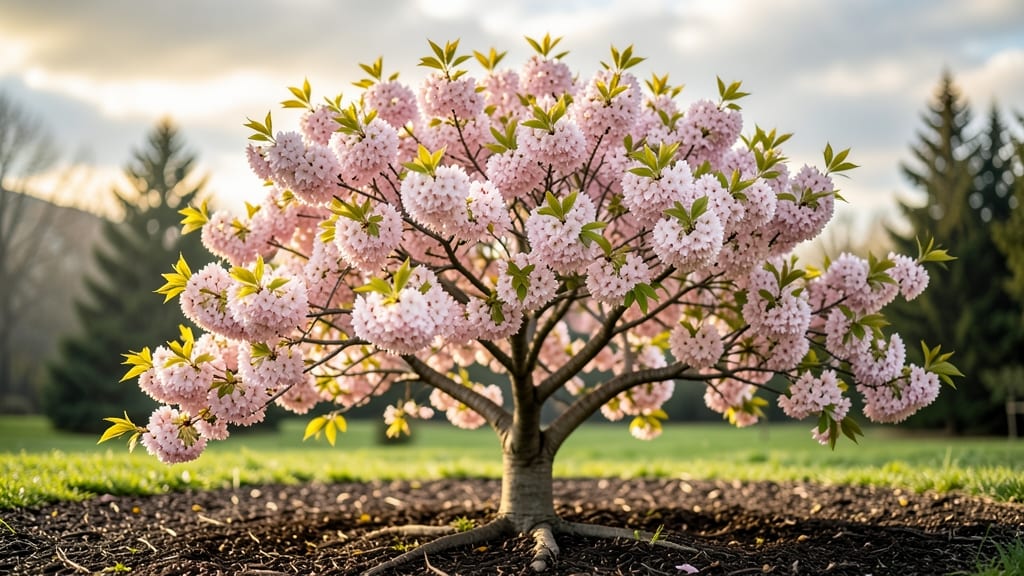
A cherry blossom tree in your front yard isn’t just a tree—it’s a seasonal masterpiece that turns heads from spring through fall. 🌸 I planted mine last spring, and now neighbors stop to admire the pink canopy every April, something no shrub or annual could ever match.
The secret lies in where you place it: not too close to the house (roots need room), not too far from the sidewalk (you want that curb appeal), and always where it gets full sun for maximum blooms.
Pair it with dwarf conifers for year-round structure or spring bulbs like daffodils and tulips to extend the show before the blossoms even appear. My design includes a circular gravel path beneath the tree—it keeps grass from competing with roots while adding a polished look.
The key is balancing the tree’s eventual size (some varieties reach 25 feet) with your yard’s proportions.
You’ll love the way your front yard becomes the neighborhood’s favorite in spring, but don’t forget summer care—deep watering keeps those roots happy, and a light pruning after blooms ensures next year’s display.
The tree’s fall foliage and winter silhouette add unexpected charm too, proving it’s not just a spring decoration.
Works for any front yard style, from cottage gardens to modern landscapes. Here’s how to make it work for yours—without the common mistakes that ruin the effect.
📚 In This Guide
- What you need
- Instructions
- Tips and common mistakes
- Wrapping up and next steps
What you need
- ● Cherry Blossom Tree: 1-2 Prunus serrulata (or hybrid variety like ‘Kwanzan’ or ‘Yoshino’)
- ● Size: 5-10 ft tall (container-grown for easier planting) or bare-root sapling (budding for spring)
- ● Planting Supplies: 50 lbs well-draining garden soil (or a 50/50 mix of topsoil and compost)
- ● 1 bag slow-release fertilizer (10-10-10 NPK ratio)
- ● 2-3 mulch chips (3-4 inches, organic like cedar or pine)
- ● Tools: 1 shovel or spade (for digging)
- ● 1 garden trowel (for precision)
- ● 1 pruners or loppers (for shaping)
- ● 1 wheelbarrow (for soil/mulch transport)
- ● 1 watering can or hose (with adjustable nozzle)
- ● 1 tree stake or spiral root collar guard (for young trees)
- ● 1 tree ring or protective barrier (to deter pets/children)
- ● 2-3 seasonal companion plants (e.g., azaleas, hostas, or spring bulbs)
- ● 1 drip irrigation kit (for low-maintenance watering)
- ● 1 decorative border or edging (stone, brick, or metal for a polished look)
How to plant and care for a cherry blossom tree in your front yard
Here’s how to plant a stunning cherry blossom tree that’ll bring seasonal beauty and curb appeal to your home.
🌱 Step 1: Choose the Right Tree and Planting Location
Select a Japanese or Kwanzan cherry blossom variety—both thrive in USDA Zones 5-8 and offer vibrant spring blooms. Plant in full sun (6-8 hours daily) with well-draining soil. Avoid low spots where water pools, as soggy roots invite disease.
Dig a hole twice as wide as the root ball but only as deep—planting too deep suffocates roots. Loosen the soil at the bottom with your hands or a trowel to encourage root spread. I always test drainage by filling the hole with water and waiting 30 minutes—if it doesn’t drain, amend the soil with compost.
🪴 Step 2: Prepare the Tree and Plant Properly
Remove the tree from its container and gently tease the roots outward if they’re circling. Position it so the top of the root ball sits 1-2 inches above ground level—this prevents settling and root rot. Backfill with native soil mixed with compost or organic matter to improve fertility.
Tamp the soil lightly with your hands or a board to remove air pockets, then water deeply until moisture reaches 12 inches down. You’ll see the soil sink slightly—that’s normal. Mulch the base with 2-3 inches of organic mulch, keeping it 6 inches away from the trunk to prevent moisture buildup.
☀️ Step 3: Establish the Tree for Long-Term Growth
Water 2-3 times weekly for the first month to help roots establish, then taper to once weekly once leaves appear. Overwatering is the #1 killer—let the top 2-3 inches of soil dry between waterings. Fertilize in early spring with a balanced 10-10-10 formula to support blooming.
Prune only to remove dead or crossing branches in late winter. Avoid heavy pruning—cherry blossoms bloom on last year’s growth. Watch for pests like aphids; a strong spray of water usually dislodges them. In fall, rake up fallen petals and leaves to prevent fungal diseases.
⏰ Step 4: Maintain Seasonal Care for Year-Round Beauty
Spring is critical: bloom time varies by variety, but most need chilling hours (300-900) to set buds. If your area gets inconsistent winters, consider a Kwanzan cherry—it blooms later and handles heat better. Thin out crowded branches annually to improve airflow and reduce disease risk.
Fall prep matters too. Apply a 2-inch layer of mulch around the base (not touching the trunk) to insulate roots. In cold climates, wrap young trees with burlap if temps dip below -10°F. A well-cared-for cherry blossom will reward you with 10-15 years of stunning spring displays.
Tips & tricks for perfect cherry blossom tree planting
Took me a while to figure these out, so here's how to make your cherry blossom tree thrive from day one.
Sunlight Strategy: That 6-8 hours of daily sun is non-negotiable for cherry blossoms. I've planted mine in the western exposure of my yard, where it gets the afternoon sun—this gives the most vibrant blooms. If your yard has limited sun, consider a smaller variety like the 'Royal Ann' cherry, which can tolerate partial shade better than most.
Drainage Test: The 30-minute drainage test is your best friend. I've seen too many trees fail because of soggy roots. If water pools after 30 minutes, mix in some sand or perlite to improve drainage. This is especially critical if your yard has clay soil—amending it with compost will make a world of difference for root health.
Root Ball Position: That 1-2 inch elevation above ground level is crucial. I always check this by placing the tree in the hole and making sure the top of the root ball sits just slightly higher than the surrounding soil. This prevents water from sitting against the trunk, which can cause rot. After planting, I add a small mound of soil around the base to create a slight depression for watering.
Mulching Wisdom: The 2-3 inches of organic mulch isn't just decoration—it's insulation. I use shredded bark mulch because it breaks down slowly and improves soil structure over time. Remember to keep it 6 inches away from the trunk to prevent moisture buildup that can invite pests and disease. Replenish it every fall to maintain that protective layer.
Pro Tips for Cherry Blossom Tree Front Yard
- Took me a while to figure these out, so here's how to make your cherry blossom tree thrive from day one.
- Sunlight Strategy: That 6-8 hours of daily sun is non-negotiable for cherry blossoms. I've planted mine in the wester...
- Drainage Test: The 30-minute drainage test is your best friend. I've seen too many trees fail because of soggy roots....
Frequently asked questions
Got questions about adding a cherry blossom tree to your front yard? Here are some of the most common ones—and their answers—to help you plan with confidence!
How long does it take for a cherry blossom tree to bloom after planting?
A newly planted cherry blossom tree typically takes 3 to 5 years to produce its first full bloom, though some varieties may show sparse flowers in the second year. Patience is key—consistent care (like proper watering and soil health) speeds up the process!
Are cherry blossom trees low-maintenance, or do they need special care?
While they’re stunning, cherry blossoms do require moderate maintenance. Prune in late winter/early spring to shape the tree and remove dead branches. Watch for pests like aphids or borers, and mulch annually to retain moisture. Their roots also need space—avoid planting too close to sidewalks or foundations!
Can I grow a cherry blossom tree in a pot, or does it need to be planted in the ground?
Cherry blossom trees prefer ground planting because their roots spread widely (some varieties grow up to 30 feet tall!). However, dwarf varieties (like Okame or Shirotae) can thrive in large containers (20+ gallons) for 3–5 years before transplanting. Just ensure the pot has drainage and you’re ready to upgrade!
Do cherry blossom trees drop messy petals or fruit?
Yes! After blooming, trees shed petals and occasional small fruits (cherries), which can create a light mess. To manage this, plant under a patio or walkway where cleanup is easy, or pair it with ground cover (like hostas or ferns) to absorb debris. Raking weekly during peak bloom helps too!
What’s the best time of year to plant a cherry blossom tree?
Plant in early spring or fall (3–4 weeks before the first frost) for optimal root establishment. Avoid summer heat or winter cold, which can stress young trees. If planting in fall, choose a dormant variety and mulch heavily to protect roots. Spring planting lets the tree focus on root growth before summer!
Are cherry blossom trees prone to diseases, and how do I prevent them?
Common issues include powdery mildew, bacterial leaf spot, and canker diseases. To prevent problems:
- Water at the base (avoid wetting foliage).
- Space trees 20–30 feet apart for airflow.
- Choose disease-resistant varieties like ‘Autumn Royal’ or ‘Kanzan’.
- Prune in dry weather to reduce fungal spores.
Wrapping up and next steps
A cherry blossom tree in your front yard isn’t just a seasonal spectacle—it’s an investment in beauty, curb appeal, and even neighborhood pride! 🌸 With the right preparation, care, and a touch of creativity, you can turn your outdoor space into a dreamy springtime haven that neighbors will envy.
Whether you’re planting a young sapling or nurturing a mature tree, the effort is worth the breathtaking blooms and the joy they bring.
Ready to take the next step? Start small:
- 🌱 Research your climate—pick a variety that thrives in your zone.
- 📅 Mark your calendar for pruning and seasonal maintenance.
- 📸 Capture the magic—share your blossoming masterpiece on social media!