
Pruning
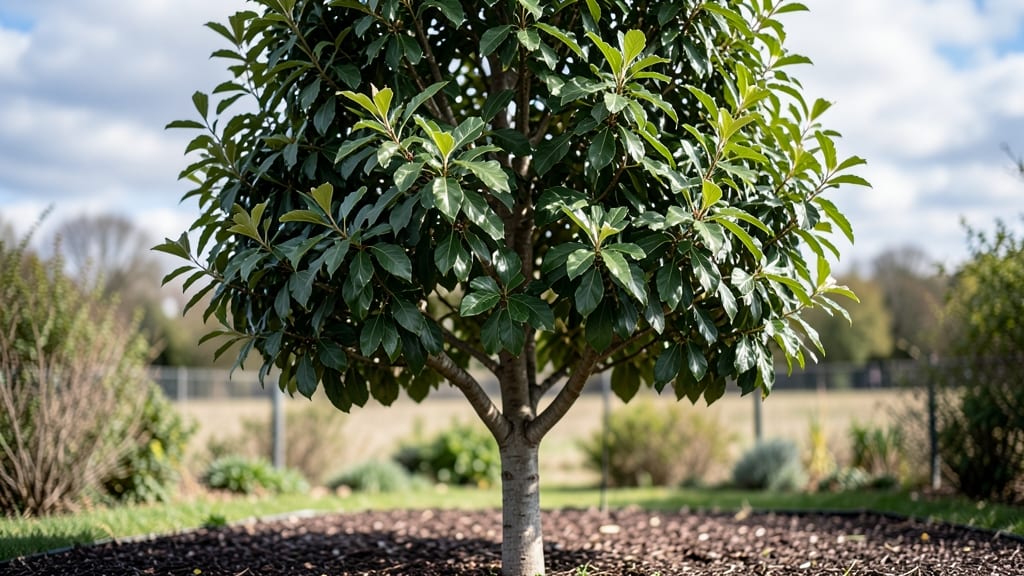
The size of a Bradford pear tree could reach 30-40 feet tall with a spread of 25-35 feet—unless you choose a dwarf variety, which stays under 15 feet. 🌳 I planted one in my suburban yard, and within five years, it already cast shade over half the driveway.
The standard Bradford grows fast, but its size makes it a poor fit for small yards unless you're prepared for regular pruning or a radical root barrier.
Dwarf Bradford pears solve the space problem while keeping the same stunning spring blooms and glossy foliage. They grow at about half the rate of standard trees, reaching mature height in 10-15 years instead of 20. The trade-off?
Slightly smaller fruit (though still edible for birds) and slightly less dramatic fall color. For urban gardens, dwarf varieties are the only practical choice—unless you're okay with trimming branches every few years to keep it manageable.
Where you plant it matters just as much as which variety you choose. Standard Bradfords need at least 30 feet of clearance from structures, power lines, and sidewalks. Dwarf varieties still need 15-20 feet of space to avoid pruning headaches.
The tree's aggressive root system also means planting it at least 10 feet away from foundations—or you'll deal with cracked driveways and heaving sidewalks down the road.
Pruning young Bradford pears sets the stage for their adult size. Start by removing water sprouts (shoots growing straight up) in late winter, and thin out crossing branches to improve airflow. For standard trees, aim to prune once a year to control height; dwarf varieties need less aggressive maintenance.
The goal isn’t just size control—it’s keeping the tree healthy enough to handle its eventual dimensions without becoming a maintenance nightmare.
📚 In This Guide
- What you need
- Instructions
- Tips and common mistakes
- Wrapping up and next steps
What you need
- ● Bradford pear tree sapling (choose dwarf varieties like 'Patriot' or 'Aristocrat' for compact growth, or standard varieties like 'Bradford' for full-size trees).
- ● Shovel or tree spade (for planting—18-24 inches wide for standard, 12-16 inches for dwarf).
- ● Garden gloves (to protect hands from thorns and rough bark).
- ● Pruning shears or loppers (bypass pruners for clean cuts; 8-10 inch blades for small branches, 16+ inch loppers for thicker limbs).
- ● Hand saw (for larger branches—pruning saw with 8-10 teeth per inch).
- ○ Tree stakes & ties (optional but helpful for young trees—3-4 stakes per tree).
- ● Mulch (2-4 inches of wood chips or pine straw) to retain moisture and suppress weeds.
- ● Watering can or hose with a gentle spray nozzle (for post-planting hydration).
- ● Soil test kit (to check pH and nutrient levels—Bradford pears prefer slightly acidic to neutral soil (6.0-7.0)).
- ● Tree fertilizer (balanced 10-10-10 or 20-20-20 for young trees).
- ○ Tree wound dressing (for sealing larger cuts—optional but reduces disease risk).
- ● Reflective tape or bird netting (to deter birds from pecking at fruit).
- ● Wheelbarrow (for moving mulch, soil, or tools efficiently).
Understanding Bradford pear tree size: how to choose the right variety
Selecting the right Bradford pear starts with knowing how big it’ll grow—and which type fits your space.
🌱 Step 1: Compare Standard vs. Dwarf Bradford Pear Heights
Standard Bradford pears reach 20-30 feet tall at maturity, with a spread of 15-25 feet. They’re the classic choice for large yards, offering dramatic spring blooms and a rounded canopy. If your property has ample space and you love the traditional look, this is the variety for you.
Dwarf Bradford pears, on the other hand, top out at 12-15 feet tall with a 10-12 foot spread. They’re perfect for smaller yards, urban landscapes, or even large containers. The trade-off? They produce slightly smaller fruit and may need occasional pruning to maintain shape. I’ve seen them thrive in tight spaces where standard pears would overwhelm the area.
📏 Step 2: Measure Your Space Before Planting
Use a tape measure to check the distance from your house, driveway, or property line to where you plan to plant. Bradford pears need at least 10 feet of clearance from structures at maturity—closer than that and you’ll deal with messy branches scraping roofs or sidewalks.
For dwarf varieties, aim for 6-8 feet of clearance. I always add an extra foot or two to account for future growth spurts. Skimping on space leads to frustration later when pruning becomes a constant chore. Mark the planting spot with stakes to visualize the tree’s eventual size.
☀️ Step 3: Match Variety to Sunlight and Soil Conditions
Both standard and dwarf Bradford pears thrive in full sun (6+ hours daily), but dwarf varieties tolerate partial shade slightly better if space is limited. Plant in well-draining soil with a pH between 6.0 and 7.5—amend heavy clay with compost to prevent root rot.
I’ve found that dwarf pears adapt better to urban soils because their smaller root systems don’t require as much depth. For standard pears, prioritize loose, fertile soil to support their larger structure. Test your soil’s drainage by digging a 12-inch hole—if water pools after 24 hours, amend with organic matter.
✂️ Step 4: Plan for Long-Term Pruning Needs
Standard Bradford pears need annual pruning to remove dead wood and shape the canopy, while dwarf varieties require light pruning every 2-3 years to maintain their compact form. I recommend pruning in late winter or early spring before new growth begins.
Use sharp bypass pruners to make clean cuts just outside the branch collar. Avoid "topping" the tree—cutting the main trunk to reduce height—unless absolutely necessary, as it weakens the tree and encourages disease. For dwarf pears, focus on removing crossing branches early to prevent future crowding.
🌿 Step 5: Consider Root Growth and Spacing
Bradford pear roots spread 2-3 times the width of the canopy, so plant standard varieties 30-40 feet apart if growing multiple trees. Dwarf pears can be spaced 15-20 feet apart in a row. I’ve seen roots extend far beyond the drip line, so avoid planting near foundations or septic systems.
For container-grown dwarf pears, choose a pot at least 24 inches wide and deep with drainage holes. Use a high-quality potting mix and repot every 2-3 years to refresh the soil. Mulch around the base (but not touching the trunk) with 2-3 inches of wood chips to retain moisture and regulate soil temperature.
Tips & tricks for perfect Bradford pear tree selection
Choosing the right Bradford pear size can make all the difference in your yard's long-term harmony. Here's what I've learned from years of watching these trees grow.
Visualizing Growth Matters: Before planting, sketch a simple diagram of your yard with the mature tree size marked. Standard Bradford pears will need that 20-30 foot height and 15-25 foot spread clearly mapped out—especially if you have neighbors nearby. I've seen too many people underestimate how quickly these trees fill space. For dwarf varieties, mark the 12-15 foot height and 10-12 foot spread, then add an extra 2 feet buffer all around to account for future growth spurts.
Soil Test Tip: That 12-inch hole test for drainage is crucial, but don't stop there. I recommend taking a soil sample to your local extension office for a pH test—especially if your yard has known drainage issues. Bradford pears prefer that 6.0-7.5 pH range, and adjusting with lime or sulfur before planting can prevent future problems. For urban planters, consider using a soilless mix with added perlite to improve drainage in containers.
Pruning Strategy: When it comes to that annual pruning for standard varieties, I've found the "open vase" method works best—removing branches that grow inward to create an open center that lets light and air circulate. For dwarf varieties, focus pruning on removing crossing branches during those 2-3 year maintenance cycles. This prevents the tree from becoming too dense while maintaining its compact shape.
Container Considerations: If you're growing dwarf Bradford pears in pots, remember that 24-inch diameter is the minimum—any smaller and you'll limit root growth. I've seen container-grown dwarf pears thrive in 30-gallon pots for years, but they'll need regular repotting every 2-3 years to refresh the soil. Use a pot with drainage holes and elevate it slightly to prevent waterlogging, which can be deadly for these trees.
Pro Tips for Bradford Pear Tree Size
- Choosing the right Bradford pear size can make all the difference in your yard's long-term harmony.
- Visualizing Growth Matters: Before planting, sketch a simple diagram of your yard with the mature tree size marked.
- Soil Test Tip: That 12-inch hole test for drainage is crucial, but don't stop there.
Frequently asked questions
Got questions about managing your Bradford pear tree’s size? You’re not alone! Here are answers to the most common concerns—whether you’re dealing with space constraints, growth quirks, or maintenance headaches.
How big does a mature Bradford pear tree typically grow?
A standard Bradford pear tree can reach 30–50 feet tall with a spread of 25–40 feet. Dwarf varieties, however, stay compact at 15–25 feet tall and 15–20 feet wide. Always check the specific cultivar’s label—some “dwarf” types may still outgrow expectations over time!
Can I prune a Bradford pear to keep it smaller permanently?
Yes, but with caution! Prune in late winter or early spring to shape the tree, focusing on removing water sprouts and crossing branches. Avoid heavy pruning after summer—it can stimulate weak growth. Never top the tree, as this encourages dense, disease-prone regrowth. Aim for 25% or less of the canopy annually for long-term health.
Why does my Bradford pear tree have uneven growth or lopsided branches?
Uneven growth often stems from poor sunlight exposure (e.g., shading from buildings or larger trees) or uneven pruning in past years. To fix it:
- Thin out dense branches on the shaded side to improve light penetration.
- Prune to open the canopy and encourage balanced growth.
- Fertilize lightly with balanced 10-10-10 in early spring if soil is nutrient-poor.
Are there better small-tree alternatives to Bradford pears?
If space or mess (fruit, thorns, weak wood) is a concern, consider these low-maintenance, compact alternatives:
Tree
Mature Size
Pros
Crabapple (e.g., ‘Dolgo’)
15–20 ft tall
Colorful fruit, disease-resistant, great for pollinators.
Serviceberry (Amelanchier)
15–25 ft tall
Edible berries, stunning fall color, no thorns.
Japanese Maple (Acer palmatum)
10–25 ft tall (dwarf varieties available)
Ornamental foliage, no fruit mess, shade-tolerant.
When is the best time to prune a Bradford pear to control its size?
The ideal window is late winter to early spring (just before buds swell), when the tree is dormant. Avoid pruning in fall—it can stimulate late-season growth vulnerable to frost damage. For minor shaping, you can also prune in summer after flowering, but limit cuts to 10% of the canopy to reduce stress.
Wrapping up and next steps
Choosing the right Bradford pear tree size—whether a compact dwarf or a classic standard variety—depends on your space, goals, and long-term care commitment. Remember, proper pruning and spacing are key to keeping your tree healthy and thriving!
Now that you’re armed with the facts, why not take the next step? Visit a local nursery, sketch your yard’s layout, and pick the perfect pear for your outdoor vision. Happy planting! 🌳✨