
Featured
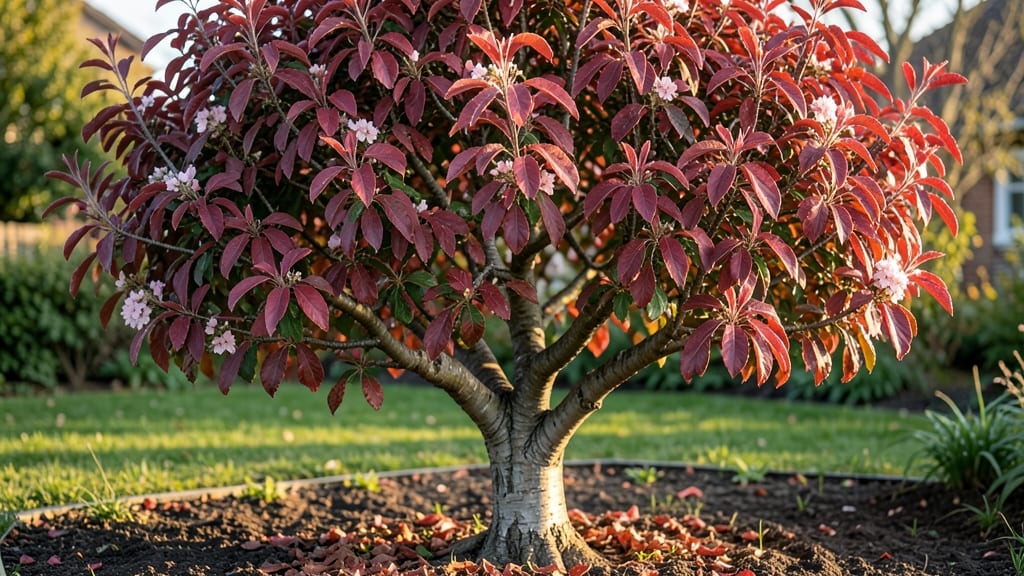
Red leaves on your pear tree aren’t just a seasonal quirk—they’re a sign your tree is trying to tell you something. 🌿 Whether it’s a nutrient craving, a fungal whisper, or stress from the heat, those vibrant hues hold clues to what your tree needs to thrive year-round.
The most common culprits? Magnesium deficiency turns leaves a striking red between the veins, while potassium shortages cause edges to crisp and curl. Fungal diseases like anthracnose or fire blight can also paint your tree in bold reds, especially if you’ve had wet springs.
Even drought or scorching summer sun can trigger this dramatic color shift.
Here’s the good news: most red-leaf issues are fixable. A simple soil test reveals what’s missing, and organic amendments like Epsom salt (for magnesium) or wood ash (for potassium) can restore balance.
Prune affected branches in late winter, and keep your tree’s roots cool with 2–3 inches of mulch to prevent stress.
With the right care, your pear tree won’t just survive—it’ll reward you with lush, healthy foliage and sweet fruit. The secret? Listening to those red-leaf messages before they become bigger problems.
Why it happens
H2: Unusual Leaf Color Explained
If your pear tree is sporting vibrant red leaves when it shouldn’t—or if the color shift feels unnatural—there’s usually a clear scientific reason behind it. Understanding these causes helps you decide whether to intervene or simply enjoy the unexpected foliage transformation.
Below, we break down the most common culprits, from environmental factors to biological quirks, with actionable insights for each.
🌡️ Temperature Shifts and Seasonal Stress
Pear trees, like many deciduous species, are sensitive to temperature fluctuations. When autumn arrives early or a late frost hits, the tree may prematurely trigger anthocyanin production—the pigments responsible for red, purple, and orange hues.
This happens because cooler nights and warm days signal the tree to prepare for dormancy, even if it’s not yet the official season.
💡 Pro Tip: If red leaves appear in spring or early summer, it could indicate heat stress. High temperatures (above 90°F) combined with drought can cause chlorophyll breakdown, revealing underlying red or purple tones. Mulching and consistent watering can mitigate this.
💧 Watering Woes: Too Much or Too Little
Water plays a critical role in leaf color. Underwatering forces the tree to conserve resources, leading to stress-induced anthocyanins. Conversely, overwatering can suffocate roots, cutting off nutrient delivery and causing discoloration. Even inconsistent moisture levels—like heavy rains followed by drought—can trigger red leaves as the tree struggles to balance hydration.
📊 Actionable Fix:
- Check soil moisture 2–3 inches below the surface; it should feel damp but not soggy.
- Water deeply 1–2 times per week (adjust for clay vs. sandy soil) and avoid wetting foliage to prevent fungal issues.
- Install a drip irrigation system for consistent moisture if your tree is in a high-stress area.
🌱 Nutrient Deficiencies or Imbalances
Red leaves often signal a lack of nitrogen, magnesium, or iron, though the pattern differs:
- Nitrogen deficiency: Older leaves turn yellow with red edges—a classic sign of poor growth fuel.
- Magnesium/iron deficiency: Interveinal red or purple streaks (between veins) appear, especially on younger leaves.
- Excess phosphorus: Can also cause reddening by overshadowing chlorophyll production.
🔥 Diagnose with a Soil Test: Send a sample to your local cooperative extension office. If deficiencies are confirmed, amend the soil with:
- Nitrogen: Compost, fish emulsion, or slow-release granules.
- Magnesium/Iron: Epsom salt (for Mg) or chelated iron supplements.
🦠 Pest or Disease Pressure
Certain pests and pathogens force trees into defensive modes, accelerating pigment changes. Common offenders include:
- Spider mites or aphids: Sap-sucking insects trigger stress responses, leading to reddened or curled leaves.
- Fire blight (bacterial infection):strong> Causes dark, red-brown leaf edges and oozing cankers.
- Powdery mildew: Fungal spores create a white coating, but severe cases can turn leaves reddish-purple.
👨🍳 Treatment Steps:
- Inspect leaves undersides and stems for pests (use a magnifying glass if needed).
- Spray with neem oil or insecticidal soap for mites/aphids; prune infected branches in fire blight cases.
- Improve air circulation by thinning dense foliage to prevent fungal spread.
🌿 Genetic Traits or Cultivar Characteristics
Not all red leaves are a red flag! Some pear cultivars—like Pyrus calleryana ‘Chanticleer’ or Pyrus ‘Redspire’—are bred to display persistent red or purple foliage, especially in cooler climates.
If your tree is young or you recently planted it, check the nursery tag or cultivar name; it may simply be a stunning variety.
✨ Bonus: If your tree’s red leaves are genetic, consider pruning to highlight the color—for example, removing some green leaves to create a bolder contrast.
Revive Your Pear Tree’s Beauty
Turn back time and restore your pear tree’s lush green foliage with these practical, step-by-step solutions tailored to the root cause of those striking red leaves. Whether it’s a nutrient deficiency, pest attack, or seasonal shift, we’ve got you covered—plus pro tips to keep your tree thriving year-round.
---
If red leaves signal a lack of essential nutrients, your pear tree is essentially "hungry" for a balanced diet. Here’s how to fix it fast:
#### 🔥 Step 1: Test the Soil Before adding fertilizers, know what’s missing. Grab a soil test kit (available at garden centers) or send a sample to your local Cooperative Extension Service for a detailed analysis.
Look for: - Low nitrogen (N) → Yellowing leaves with red edges. - Magnesium (Mg) or iron (Fe) deficiency → Interveinal chlorosis (red/yellow between veins). - High soil pH (alkaline) → Locks out iron, causing reddening.
#### 🍳 Step 2: Apply the Right Fertilizer - For nitrogen deficiency: Use a balanced fertilizer (10-10-10 or 20-20-20) in early spring.
Follow package instructions—overdoing it burns roots! - For magnesium/iron: Sprinkle Epsom salt (magnesium sulfate) around the base (1 tbsp per gallon of water, applied monthly) or use chelated iron for quick absorption. - For alkaline soil: Lower pH with sulfur or peat moss (aim for pH 6.0–7.0 for pears).
#### 👨🍳 Step 3: Improve Soil Health - Add compost (2–3 inches) around the tree’s drip line (not the trunk!) to boost organic matter. - Mulch properly: Use wood chips or straw (2–4 inches deep) to retain moisture and regulate temperature.
#### 💡 Pro Tip: 🌡️ Water deeply after fertilizing to help nutrients reach the roots. Avoid wetting leaves to prevent fungal issues.
---
If red leaves are a symptom of stress from pests or pathogens, act swiftly to save your tree.
#### 🔪 Step 1: Identify the Culprit Common offenders include: - Spider mites → Tiny red/brown dots on leaves, webbing. - Scale insects → Sticky residue (honeydew) and black sooty mold. - Fire blight (bacterial) → Dark, oily red/brown patches with wilting. - Anthracnose fungus → Red/brown spots with yellow halos, often in wet seasons.
#### 🥘 Step 2: Treat the Problem | Pest/Disease | Solution | |------------------------|-----------------------------------------------------------------------------| | Spider mites | Spray leaves with neem oil (1 tbsp per quart of water) or horticultural oil.
Repeat weekly. | | Scale insects | Scrape off visible scales with a soft brush or use dormant oil in late winter. | | Fire blight | Prune infected branches 6–12 inches below damage with sterilized shears.
Dispose of clippings. | | Anthracnose | Apply copper fungicide (follow label rates) and remove fallen leaves to reduce spores. |
#### ⏰ Step 3: Prevent Future Outbreaks - Prune regularly: Remove dead/diseased wood in dormant season (late winter). - Space trees properly: Ensure 6–10 feet between pears for airflow. - Water at the base: Avoid overhead watering to deter fungal spores.
#### 💡 Pro Tip: ✨ Encourage beneficial insects like ladybugs (they eat mites!) by planting dill, marigolds, or yarrow nearby.
---
Red leaves in fall or winter? Your pear tree might be braced for dormancy or reacting to harsh conditions.
#### 🎯 Step 1: Protect from Cold Winds - Windbreaks: Plant evergreens or shrubs on the windward side to block chill winds. - Burlap wraps: Gently wrap the trunk (not leaves) with burlap in extreme cold snaps.
#### 🌡️ Step 2: Adjust Watering - Fall: Reduce watering as growth slows, but keep soil moist (not soggy). - Winter: Only water if the ground is bone-dry (overwatering causes root rot).
#### 💡 Pro Tip: 🌟 Mulch heavily in late fall (4–6 inches) to insulate roots from freezing temps.
--- If your pear tree shows: - Widespread dieback (more than 30% of branches dead). - Oozing sap or cankers (signs of advanced disease). - No improvement after 2–3 months of care.
A certified arborist can diagnose deeper issues (like root rot or borers) and prescribe targeted treatments.
--- Remember: Patience is key! Some nutrient fixes take 4–6 weeks to show results, while pest treatments may need multiple rounds. With the right care, your pear tree will bounce back—and those red leaves might just become a seasonal highlight instead of a red flag! 🌿🍎
Frequently asked questions
Are red leaves on my pear tree always a sign of trouble?
Not necessarily! Some pear cultivars like Pyrus calleryana ‘Chanticleer’ naturally develop striking red or purple foliage, especially in cooler weather. Check your tree’s variety—if it’s a known red-leaf cultivar, those leaves might just be part of its stunning genetic makeup.
What’s the quickest way to tell if red leaves mean nutrient deficiency?
Look at the leaf pattern: Red edges often signal nitrogen deficiency, while red streaks between veins (interveinal chlorosis) usually mean magnesium or iron deficiency. For iron issues, yellowing between veins with red veins is classic. Test your soil to confirm!
Can I use Epsom salt on my pear tree if the leaves are red?
Yes! Epsom salt (magnesium sulfate) is excellent for magnesium deficiencies. Mix 1 tablespoon per gallon of water and apply monthly during growing season. Just avoid overdoing it—too much magnesium can disrupt other nutrients. Water deeply after application.
What should I do if my pear tree’s red leaves have black spots?
Black spots with red/purple edges likely indicate anthracnose fungus or fire blight. Prune affected branches 6 inches below damage with sterilized tools, then apply copper fungicide. Remove fallen leaves to prevent spread—this is a serious issue that needs prompt action.
Will my pear tree recover if I fix the red leaves now?
Most trees recover well with proper care! Nutrient deficiencies typically improve in 4-6 weeks, while pest/disease issues may take 2-3 months of consistent treatment. For severe cases, consult an arborist—some problems (like root rot) require professional intervention.