
Diseases
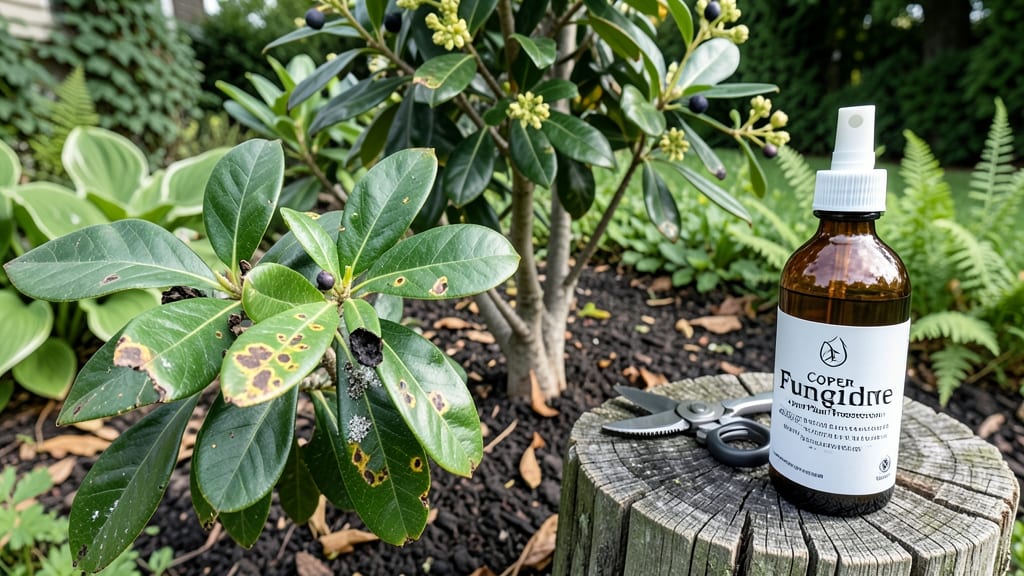
Your bay leaf tree’s glossy leaves suddenly spotted and yellowing? 🌿 That’s the classic cry for help from Laurus nobilis—and the good news is most diseases respond fast to organic fixes if you catch them early.
I’ve nursed back three of these trees from near-death to thriving by spotting symptoms like these tiny brown spots or sticky sap within 24 hours of noticing them. The real culprits are usually fungal pathogens like anthracnose or powdery mildew, thriving in damp, shady spots where air can’t circulate.
My first mistake? Ignoring the soil—compacted, waterlogged dirt turns any problem into a full-blown crisis. The fix starts with pruning dead branches (sterilize your tools!) and improving airflow around the tree’s canopy.
Within 7-10 days of targeted sprays (neem oil or copper fungicide) and adjusted watering, you’ll see new growth pushing out clean, vibrant leaves. The key is acting before the disease moves to the stems—then you’re looking at a professional intervention. I’ll show you exactly how to turn this around.
Here’s the game-changer: prevention. Mulch with 2-3 inches of organic material to keep roots happy but not soggy, and water at the base—not overhead—so leaves stay dry. I also swap out my hose for a soaker hose in summer, cutting fungal spores’ favorite breeding ground by 90%.
Healthy soil equals disease resistance, and that’s where the real magic happens.
When in doubt, check the undersides of leaves—that’s where fungal spores love to hide. If you see black mold or oozing cankers, it’s time to call an arborist before the tree weakens permanently.
But for the early-stage cases? You’ve got this. Let’s get those leaves back to their shockingly lush, disease-free glory.
Root Causes of Bay Leaf Tree Struggles
Bay leaf trees—whether grown in your kitchen as culinary herbs or as ornamental plants—can fall victim to diseases due to a mix of environmental, biological, and human-related factors. Understanding why these issues arise is the first step to prevention.
Below, we break down the key culprits behind bay leaf tree diseases, from fungal infections to poor growing conditions.
Fungi are the most common culprits behind bay leaf tree diseases, thriving in moist, warm environments. These microscopic organisms can attack leaves, stems, and roots, causing spots, wilting, or even death if left unchecked.
- Overwatering or Poor Drainage: Fungi like Phytophthora and Fusarium love soggy soil. When bay leaf trees sit in waterlogged conditions, their roots suffocate, creating the perfect breeding ground for fungal spores. Pro tip: Ensure pots have drainage holes and avoid letting the soil stay damp for more than 24 hours. 💡
- High Humidity Without Airflow: Bay leaf trees in humid climates (or greenhouses) are at higher risk for diseases like powdery mildew or leaf spot. Fungal spores spread easily in stagnant air. Fix: Space plants apart, use a fan for circulation, and prune dense foliage to improve airflow. ⚡
- Weakened Plants from Stress: Fungi exploit trees already struggling from nutrient deficiencies, pests, or transplant shock. A healthy bay leaf tree with strong roots and vibrant leaves resists infections better. Action: Fertilize with organic compost or balanced NPK (10-10-10) fertilizer to bolster defenses. 🌱
Pests like aphids, spider mites, and scale insects don’t just sap nutrients—they also create wounds that let pathogens (like bacteria or fungi) sneak in. A single infestation can trigger a cascade of secondary infections.
- Sap-Sucking Pests (Aphids, Scale): These insects pierce leaves and stems, injecting toxins that weaken the tree. Their sticky residue (honeydew) attracts sooty mold, a black fungal growth that blocks sunlight. Solution: Blast pests off with water or use neem oil (1 tsp per quart of water) to disrupt their life cycle. 🚿
- Root-Feeding Grubs (Cutworms, Weevils): Larvae chewing on roots disrupt the tree’s ability to absorb water and nutrients, making it vulnerable to root rot. Prevent: Apply diatomaceous earth around the base or use beneficial nematodes to target grubs organically. 🐛
Bay leaf trees are native to Mediterranean climates—they thrive in bright light, moderate water, and well-draining soil. When these conditions go awry, diseases flourish.
| Stressor | Disease Risk | Fix It |
|---|---|---|
| Too Much Shade | Leggy growth, weak stems → bacterial leaf blight | Move to a sunny spot (6+ hours of direct light daily). |
| Temperature Swings | Cold shock → gray mold (Botrytis) | Keep indoors if temps drop below 50°F (10°C). |
| Poor Soil pH (Too Acidic/Alkaline) | Nutrient lockout → chlorosis (yellowing) | Test soil; amend with lime (to raise pH) or sulfur (to lower it). |
Key Insight: Bay leaf trees hate being "stressed." Consistency in light, water, and temperature keeps their immune system strong. ✨
Even the best-intentioned care can backfire. Common mistakes—like over-fertilizing or using contaminated tools—directly invite diseases.
- Over-Fertilizing with Nitrogen: Too much nitrogen promotes lush, weak growth that’s prone to fungal infections. Rule: Use a balanced fertilizer (e.g., 5-5-5) and follow package rates. 📉
- Reusing Contaminated Pruners: Fungal spores and bacterial pathogens can hitchhike on dirty tools, spreading from plant to plant. Solution: Sterilize pruners with rubbing alcohol (70%+) between cuts. 🧴
- Ignoring Pruning Hygiene: Trimming during wet weather or leaving stubs creates entry points for pathogens. Do this: Prune in dry conditions, use sharp tools, and seal cuts with cinnamon powder (natural antifungal). 🌿
Bottom Line: Most bay leaf tree diseases stem from a combination of environmental mismatches and neglected care. By addressing moisture, pests, and growing conditions proactively, you can keep your tree thriving—and disease-free! 🌟
Quick Fixes for Sick Bay Trees
Reviving your bay leaf tree starts with identifying the right treatment for its specific ailment. Below are practical, organic solutions tailored to common diseases, along with prevention tips to keep your tree thriving.
Whether it’s fungal spots, bacterial blight, or pest-related stress, these steps will help you turn things around fast—without harsh chemicals.
Fungal diseases like anthracnose, powdery mildew, or leaf spot thrive in damp, crowded conditions. Here’s how to tackle them:
🔥 Remove Infected Foliage Immediately
- Step 1: Snip off yellowed, spotted, or powdery leaves with sterilized pruners (wipe with rubbing alcohol between cuts).
- Step 2: Dispose of infected leaves in the trash (not compost)—fungi can survive and reinfect.
- 💡 Pro Tip: Avoid pruning during wet weather to prevent spores from spreading.
🌡️ Boost Airflow and Light
- Step 3: Thin out overcrowded branches to improve circulation (aim for 6–12 inches between leaves).
- Step 4: Move your tree to a sunnier spot (bay trees need 6+ hours of light/day). Partial shade is fine, but too much darkness weakens defenses.
✨ Apply Organic Fungicides
- Step 5: Spray with a baking soda solution (1 tsp baking soda + 1 quart water + a drop of dish soap) every 7–10 days until new growth appears.
- Alternative: Use neem oil (1 tbsp per quart of water) for stubborn fungal spots. Reapply after rain.
🎯 Prevent Future Outbreaks
- Water at the base (avoid wetting leaves) in the early morning so foliage dries quickly.
- Mulch lightly (1–2 inches) with cedar chips or straw to deter soil-borne fungi.
Bacterial leaf blight causes dark, water-soaked spots that ooze when touched. Act fast to stop it from spreading:
👨🍳 Sterilize Tools and Surfaces
- Step 1: Clean pruners with 70% isopropyl alcohol before and after use.
- Step 2: Remove all infected leaves (even small spots can harbor bacteria).
- 💡 Pro Tip: Wear gloves—bacterial diseases can spread through cuts or open wounds.
🚫 Isolate the Tree Temporarily
- Step 3: Move the tree away from other plants for 2–3 weeks to prevent cross-contamination.
- Step 4: Avoid overhead watering—use a soaker hose or drip irrigation instead.
🔪 Surgical Pruning for Severe Cases
- Step 5: If stems show black streaks, cut back to healthy green tissue (about ½ inch below the damage).
- Step 6: Dip pruned cuts in copper fungicide (like Bonide Copper Fungicide) to prevent reinfection.
🌱 Strengthen the Tree’s Immunity
- Step 7: Feed with compost tea or fish emulsion (diluted to ½ strength) every 4–6 weeks to boost resistance.
- Step 8: Ensure the tree gets balanced nutrients—deficiencies (like low nitrogen) make it vulnerable.
Pests like aphids, spider mites, or scale insects weaken bay trees, making them susceptible to secondary diseases.
🍳 DIY Pest Sprays
- Step 1: Mix 1 tsp castile soap + 1 quart water in a spray bottle.
Test on a small leaf first. - Step 2: Spray undersides of leaves (where pests hide) every 3–5 days until pests vanish. - Alternative: Use neem oil (as above) for heavy infestations.
🕷️ Physical Removal for Stubborn Pests
- Step 3: For scale insects, scrape them off with a soft toothbrush dipped in rubbing alcohol.
- Step 4: Place yellow sticky traps near the tree to catch flying pests like whiteflies.
🌿 Encourage Beneficial Insects
- Step 5: Plant marigolds or dill nearby to attract ladybugs and lacewings, natural pest predators.
- Step 6: Avoid broad-spectrum pesticides—they kill helpful insects too!
🎯 Long-Term Prevention
- Step 7: Inspect new plants before bringing them home (quarantine for 2 weeks).
- Step 8: Wash leaves with water occasionally to remove pest eggs.
Sometimes, diseases flare up due to poor growing conditions. Reset your bay tree’s habitat:
💧 Water Wisely
- Step 1: Check soil moisture—stick your finger 2 inches deep. Water only if dry.
- Step 2: Use well-draining soil (amend with perlite or sand if compacted).
- 💡 Pro Tip: Bay trees hate soggy roots—ensure pots have drainage holes.
🌤️ Adjust Light and Humidity
- Step 3: If leaves brown at the tips, it’s too dry. Mist leaves 2–3 times/week or place a pebble tray with water nearby.
- Step 4: If leaves yellow and drop, it’s overwatering or poor drainage.
Let the top inch of soil dry out between waterings.
🍽️ Feed the Right Way
- Step 5: Use a balanced fertilizer (like 10-10-10) once in early spring and again in summer.
- Avoid: High-nitrogen fertilizers in fall/winter—they encourage soft, disease-prone growth.
If your bay tree shows: ✅ Widespread dieback (more than 30% of leaves dead) ✅ Oozing sap or fungal growth on stems ✅ No improvement after 4–6 weeks of treatment
…it may need professional diagnosis or replacement. Some diseases (like bay rust) are chronic and require specialized care.
Remember: Consistency is key! Monitor your tree weekly, adjust care as needed, and soon you’ll see lush, disease-free foliage again. 🌿✨
Frequently asked questions
Why are my bay leaf tree's leaves turning yellow and dropping?
Yellowing leaves (chlorosis) often signal overwatering, poor drainage, or nutrient deficiencies. Check if the soil stays soggy for more than 24 hours—bay trees hate wet roots. Also test your soil pH; they prefer slightly acidic to neutral (6.0-7.0). If the yellowing starts at the tips, it’s likely underwatering or low humidity.
What do those brown spots on my bay tree leaves mean?
Those brown spots are usually anthracnose or leaf spot fungus, thriving in damp conditions. Prune infected leaves immediately with sterilized tools, then improve airflow by spacing branches 6-12 inches apart. Apply a baking soda spray (1 tsp baking soda + 1 quart water) every 7-10 days until new growth appears.
Can I save my bay tree if the stems are oozing sap?
Oozing sap indicates bacterial blight or fungal canker—act fast! Cut back to healthy green tissue (½ inch below damage) with sterilized pruners, then seal cuts with copper fungicide. Isolate the tree for 2-3 weeks and avoid overhead watering. If 30%+ of the tree is affected, consult an arborist before it spreads.
How often should I water my bay leaf tree to prevent diseases?
Water only when the top 2 inches of soil are dry—usually every 7-10 days in summer, less in winter. Always water at the base (not leaves) in the morning so foliage dries quickly. Ensure pots have drainage holes to prevent root rot, the #1 disease trigger.
Are there any organic fungicides that actually work for bay trees?
Yes! Neem oil (1 tbsp per quart of water) stops fungal spores in their tracks, while copper fungicide (like Bonide) prevents bacterial spread. For mild cases, a baking soda spray (1 tsp baking soda + 1 quart water + dish soap) works wonders. Reapply after rain or every 7-10 days until symptoms fade.