
Pruning
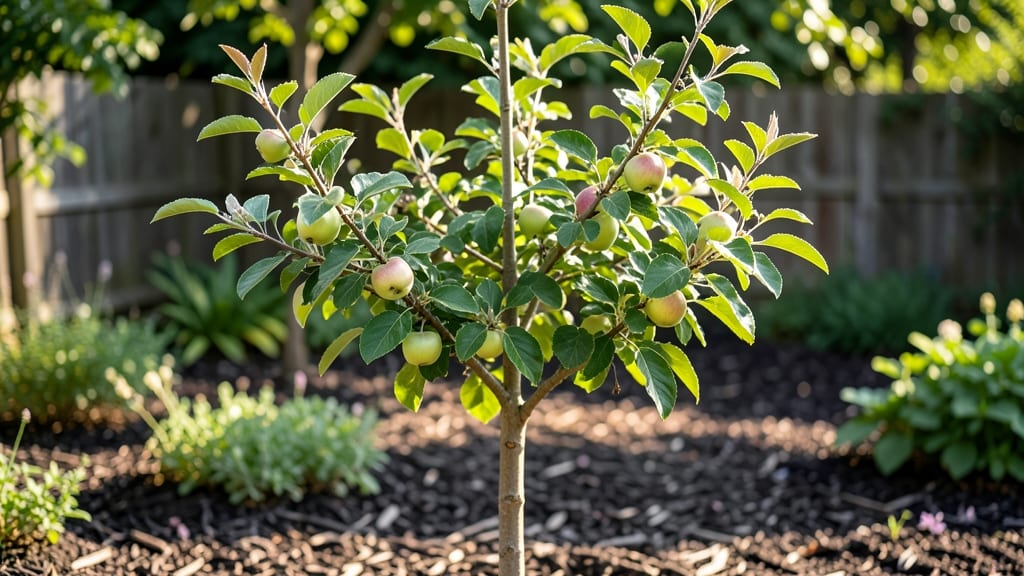
Your apple tree’s first young fruit is a promise—if you prune it right. ✂️ Those tiny apples in spring aren’t just cute; they’re competing for energy with your tree’s growth, and thinning them now means bigger, sweeter harvests in years to come.
I’ve watched young fruit turn from pea-sized to baseball-sized by summer, and the difference between a handful of oversized apples and a branch-breaking mess comes down to three simple cuts made at the right time.
The key is timing: wait until fruit is quarter-sized (usually late May to early June in most zones) before thinning. Grab a sharp pruner and remove every other apple, keeping the largest, healthiest ones spaced 4-6 inches apart.
This isn’t just about yield—it’s about strength. Overloaded branches snap under weight, and small fruit stays tart and underdeveloped. Think of it like training wheels for your tree’s future harvests.
What you’ll end up with is a tree that puts energy into fewer, larger fruit instead of struggling to support a crowd. The branches stay sturdy, the apples ripen evenly, and you avoid the heartbreak of watching half your crop rot on the ground.
Plus, those remaining apples develop better color and flavor—the kind that makes neighbors ask where you got your trees.
Works for any apple variety, from disease-resistant Liberty to classic Fuji. The same principles apply whether you’re working with a backyard sapling or a neglected old tree—just adjust the scale. Here’s how to do it without guessing.
📚 In This Guide
- What you need
- Instructions
- Tips and common mistakes
- Wrapping up and next steps
What you need
- ● Pruning shears: Bypass pruners (for cuts up to ½ inch thick) – 1 pair (sterilized with rubbing alcohol).
- ● Loppers: For thicker branches (½–2 inches) – 1 pair (sharp and clean).
- ● Pruning saw: For branches over 2 inches – 1 saw (with a fine-tooth blade).
- ○ Hand pruners (optional but helpful):strong> For precision cuts – 1 pair (for small, delicate branches).
- ● Disinfectant: 70% isopropyl alcohol or bleach solution (1 part bleach to 9 parts water) – small spray bottle or cloth.
- ○ Pruning sealant: Tree wound paint (optional but recommended for cuts larger than ½ inch) – small bottle.
- ● Gloves: Heavy-duty gardening gloves – 1 pair (to protect from thorns and sap).
- ● Safety goggles: To shield eyes from debris – 1 pair.
- ● Ladder or step stool: For reaching higher branches – 1 unit (if tree is over 6 feet tall).
- ● Sharpie or masking tape: For marking branches to remove – small pack.
- ● Extension pole saw: For very tall trees – 1 unit (saves time and effort).
- ● Tree pruning spray: Post-pruning antifungal spray – small bottle (prevents disease).
- ● Notebook & pen: To jot down notes on branch placement or growth patterns – 1 notebook.
- ● Water & snacks: For a long day of pruning – hydration pack + treats!
Instructions for pruning young apple trees to encourage fruit
Here's how I shape young apple trees in their first few years to set them up for a lifetime of strong growth and heavy fruit production.
✂️ Step 1: Identify and Remove Water Sprouts and Suckers
Start by scanning your young tree for any vigorous vertical shoots growing from the base of the trunk or from the main branches. These are called water sprouts or suckers, and they're energy vampires—stealing nutrients from where you want them to go: the fruit. Grab your pruning shears and cut these out at their base, making a clean cut just above a leaf bud or outward-facing branch.
I always make these cuts at a 45-degree angle about ¼ inch above a bud that faces the outside of the tree. This encourages the bud to grow outward rather than inward, which keeps the tree's center open and airy. Don't worry about the size of these shoots—they can be as thick as your wrist, but they'll come out easily if you cut them at the right angle.
🌿 Step 2: Thin Out Crowded Branches for Better Airflow
Next, focus on the main branches. Young apple trees often develop a tangle of branches growing too close together. Look for branches that cross each other or grow directly toward the center of the tree. These are prime candidates for removal because they'll rub against each other as they grow, creating wounds that invite disease.
Use your pruning shears to cut these branches back to their point of origin, where they meet the main trunk or a larger branch. Aim to leave 6-8 inches of space between branches to ensure good airflow. You'll know you're doing it right when you can see light and air moving freely through the center of the tree. This isn't just about looks—proper spacing prevents fungal diseases like apple scab.
☀️ Step 3: Encourage Light Penetration to the Center
Now, it's time to shape the tree so light can reach the center. Look for branches that are growing inward or downward. These branches will eventually shade out the interior of the tree, reducing fruit production. Use your pruning shears to shorten these branches by about one-third of their length, cutting just above an outward-facing bud.
Here's the thing—you want to create a natural vase shape. The wider the tree is at the bottom and the narrower it is at the top, the better. This shape allows sunlight to penetrate to the center, where most of the fruit will develop. Watch for new shoots growing from the sides of the tree and encourage them by pruning back any competing vertical growth. You'll see the tree start to fill out within a few weeks.
⏰ Step 4: Prune for Fruit Bud Development
As your tree matures, focus on the fruit buds. These are the small, plump buds that form along the branches in late summer or early fall. In the following spring, these buds will bloom into flowers, which will eventually turn into fruit. To maximize fruit production, look for clusters of fruit buds and thin them out so only the strongest, healthiest buds remain.
Leave about 6-8 inches between each fruit bud cluster to ensure the tree can support the weight of the fruit without breaking branches. You'll also want to remove any branches that are bearing too much fruit—these branches will become overloaded and may snap under the weight. Prune these back to a side branch or bud to encourage new growth. This step is all about balance—you want enough fruit to harvest, but not so much that it stresses the tree.
Tips & tricks for pruning young apple trees
These little adjustments make all the difference between a scraggly tree and one that bears fruit like a champion.
Timing is Everything: Prune young apple trees in late winter or early spring, just before buds begin to swell. This timing gives the tree time to heal before the growing season begins. I always aim for February or March in my climate zone—right after the worst winter cold has passed but before the leaves appear. Avoid pruning in fall, as it can leave wounds vulnerable to disease during winter.
Tool Prep Matters: Sterilize your pruning shears with rubbing alcohol before and after each cut to prevent spreading disease between trees. I also keep a small brush handy to clear away sawdust and debris from cuts—this helps wounds heal faster. For thicker branches, use bypass pruners or a pruning saw with a fine-tooth blade to make clean cuts without tearing the bark.
Visualize the Vase Shape: Step back and look at your tree from all angles as you prune. You're aiming for a natural vase shape—wider at the bottom and narrower at the top. This shape isn't just about looks; it's about sunlight reaching all parts of the tree. I imagine an upside-down cone when I prune, which helps me visualize where branches should go and which ones need to come out.
Post-Pruning Care: After you've finished pruning, apply a thin layer of tree wound sealant to all cuts larger than a quarter-inch in diameter. This isn't absolutely necessary for small cuts, but it helps larger wounds heal faster and reduces the risk of infection. I also water the tree deeply after pruning to help it recover from the stress of cutting.
Pro Tips for Apple Tree Young Fruit
- These little adjustments make all the difference between a scraggly tree and one that bears fruit like a champion.
- Timing is Everything: Prune young apple trees in late winter or early spring, just before buds begin to swell. This t...
- Tool Prep Matters: Sterilize your pruning shears with rubbing alcohol before and after each cut to prevent spreading ...
Frequently asked questions
Got questions about nurturing young apple tree fruit? You’re not alone! Here are answers to the most common concerns—so you can prune with confidence and set your tree up for a fruit-filled future.
When should I start pruning young apple tree fruit?
Prune your young apple tree in late winter or early spring (before buds swell) to shape its structure. Avoid heavy pruning in fall—it can stress the tree and invite disease. Focus on removing water sprouts and crossing branches as they appear during the growing season for gradual shaping.
How do I know if my young apple fruit is healthy?
Healthy young apple fruit should be firm, bright-colored, and free of blemishes. Look for no signs of rot, insect damage, or odd growths. If fruit is misshapen or falls prematurely, it may need better pollination or balanced pruning. Thin fruit clusters to 6–8 inches apart to improve size and quality.
Can I prune too much when the fruit is young?
Yes! Over-pruning can stunt growth and reduce next year’s fruit. For young trees, remove no more than 25% of the canopy per year. Focus on open-center shaping—keep the center of the tree clear to allow sunlight and airflow, which prevents disease and encourages strong fruit development.
What do I do if pests or diseases attack my young fruit?
Act fast! Remove infested fruit or leaves immediately and treat with neem oil or horticultural soap for soft-bodied pests. For fungal issues (like apple scab), apply copper fungicide in early spring. Prune diseased branches 6 inches below the damage to prevent spread.
Are there alternatives to pruning for young apple trees?
While pruning is key, you can supplement with other care:
- Thinning fruit (remove excess clusters) to reduce competition.
- Mulching (2–3 inches of organic mulch) to retain moisture.
- Fertilizing (balanced 10-10-10 in early spring) for robust growth.
Wrapping up and next steps
Growing young fruit on your apple tree starts with the right pruning techniques—patience, precision, and a little love go a long way! 🌱 By shaping your tree early, you’ll set the stage for stronger branches, better airflow, and a future harvest of juicy, homegrown apples.
Now that you’re armed with the secrets, roll up your sleeves and get pruning!
Ready to take the next step? Start small—pick one branch to practice, then expand as you gain confidence. Before you know it, your apple tree will be thriving, and you’ll be the proud orchard master of your neighborhood! 🍏✨