
Plants
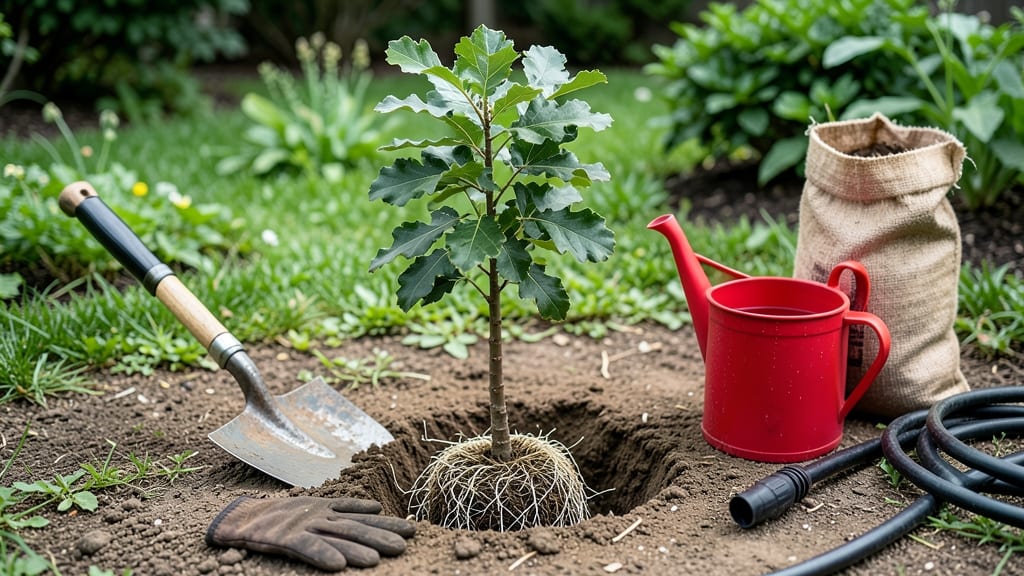
Planting a tree in Colorado at the right time ensures strong root growth before winter’s chill sets in, whether you’re in Denver or the Western Slope.
If you’ve ever watched a newly planted 🌳 wither under Colorado’s unpredictable frost or struggle through a drought-prone summer, you know timing is everything.
The best months to plant a tree in Colorado’s USDA Zones 5-7 are late winter through early spring (March–April) or early fall (September–October), when soil is workable but not frozen.
Below, I break down the optimal windows by region—from the Front Range’s frost-free dates to the Western Slope’s earlier springs—and share species-specific tips to set your tree up for success.
Colorado’s best tree planting months by climate zone
Colorado’s diverse climate zones create unique challenges for tree planting. Whether you’re in the urban Front Range, the arid Western Slope, or the high-altitude Eastern Plains, timing matters.
Planting outside the ideal window can stress trees, delay growth, or even kill them before they establish roots. Let’s break down the best months by region to maximize success.
For most of Colorado, the optimal planting window is either early spring (March–April) or early fall (September–October). This aligns with soil thaw, moisture availability, and temperature stability.
However, microclimates—like the cooler San Luis Valley or the windy Western Slope—require adjustments. Below, we’ll cover each zone’s specifics, including frost dates and rainfall patterns.
🌳
In the Front Range, where cities like Denver and Boulder dominate, March–April and September–October are ideal. The soil thaws by late March, and rainfall peaks in May, giving young trees a moisture boost. For evergreens like Colorado blue spruce, fall planting is best—they establish roots before winter dormancy.
On the Western Slope, where Grand Junction and Durango experience hot, dry summers, April–May planting avoids the worst heat. Deciduous trees like cottonwoods can handle the delay, but evergreens need cooler soil. Always plant on the north or east side of structures to shield from afternoon winds.
The Eastern Plains, including Pueblo and Lamar, have lower humidity and higher evaporation rates. Planting in March–April ensures trees get early-season moisture, while September planting benefits from cooler temps. Drought-resistant species like Russian olive are excellent choices here.
Finally, the San Luis Valley, with its high elevation and late frosts, requires patience. Wait until May–June for spring planting, as soil stays cold longer. Container-grown trees are your best bet—they adapt faster to temperature swings and avoid frozen ground.
💧
No matter the zone, soil temperature is key. Use a soil thermometer to confirm it’s above 50°F (10°C) before planting. In high-altitude areas, this can mean waiting until June. Always water deeply after planting—10–15 gallons for young trees—and mulch heavily to retain moisture.
For bare-root trees, plant in late winter/early spring (February–March) while they’re dormant. Container-grown trees, however, can go in throughout the growing season, but fall is ideal for most species. Avoid planting when soil is frozen or waterlogged—this stresses roots and invites disease.
Critical factors that determine your planting timeline
Timing your tree planting in Colorado isn’t just about picking a month—it’s about understanding how soil temperature, moisture levels, and tree species interact with your local climate.
Evergreens and deciduous trees have vastly different needs, and ignoring these factors can lead to poor root establishment or even winter dieback. For example, deciduous trees like maples thrive when planted in early fall, while evergreens such as pines prefer late spring to avoid winter stress.
Another critical element is soil temperature. Colorado’s USDA Zones 5-7 mean soil can stay frozen well into spring, especially at higher elevations. Planting too early—before the ground thaws—can suffocate roots. Use a soil thermometer to check for 50°F+ temperatures at 6 inches deep, the ideal range for root growth.
Moisture is equally vital; drought-tolerant species like cottonwoods need less water, while water-loving trees such as willows demand consistent hydration during establishment.
- Soil Temperature: Wait until soil reaches 50°F+ at 6" depth (use a thermometer). Frozen soil stunts root growth.
- Moisture Levels: Aim for consistent moisture but avoid waterlogged soil. Drought-tolerant species need less water.
- Evergreen vs. Deciduous: Plant evergreens (e.g., spruce) in late spring; deciduous (e.g., oak) in early fall.
- USDA Zone Check: Verify your zone (5-7) via USDA Plant Hardiness Map or CSU Extension.
- Local Frost Dates: Use Colorado State University’s frost calendar to avoid planting 4-6 weeks before first frost.
To avoid guesswork, leverage USDA resources and Colorado State University (CSU) guidelines. The USDA Plant Hardiness Map helps identify your frost-free period, while CSU’s Colorado Master Gardener Program offers region-specific advice.
For instance, Denver’s Zone 5b has a shorter growing season than Colorado Springs’ Zone 6a, so adjust your timeline accordingly. Pro tip: Bare-root trees planted in late winter (February-March) benefit from thawing soil, while container-grown trees can handle early fall planting (September-October) better.
Don’t overlook microclimates—a south-facing slope in Boulder may thaw weeks earlier than a north-facing yard in Grand Junction. Observe your site’s sun exposure and wind patterns, as these affect moisture retention.
For example, windbreaks are essential for high-altitude areas like Fort Collins, where dry winds can desiccate young roots. Always amend soil with compost to improve drainage and moisture retention, especially in alkaline Colorado soils.
Finally, tree species dictate your timeline. Fast-growing species like poplars or willows can handle late spring planting, while slow-growing conifers such as blue spruce need early fall to establish roots before winter.
Check with local nurseries for species adapted to your elevation—for example, quaking aspen thrives at 6,000–10,000 ft, while mesquite prefers 4,000–6,000 ft.
By aligning your planting with soil conditions, species needs, and local climate data, you’ll give your tree the best shot at thriving in Colorado’s challenging environment. Start with a soil test and frost date research—your tree’s long-term health depends on it! 🌳