
Plants
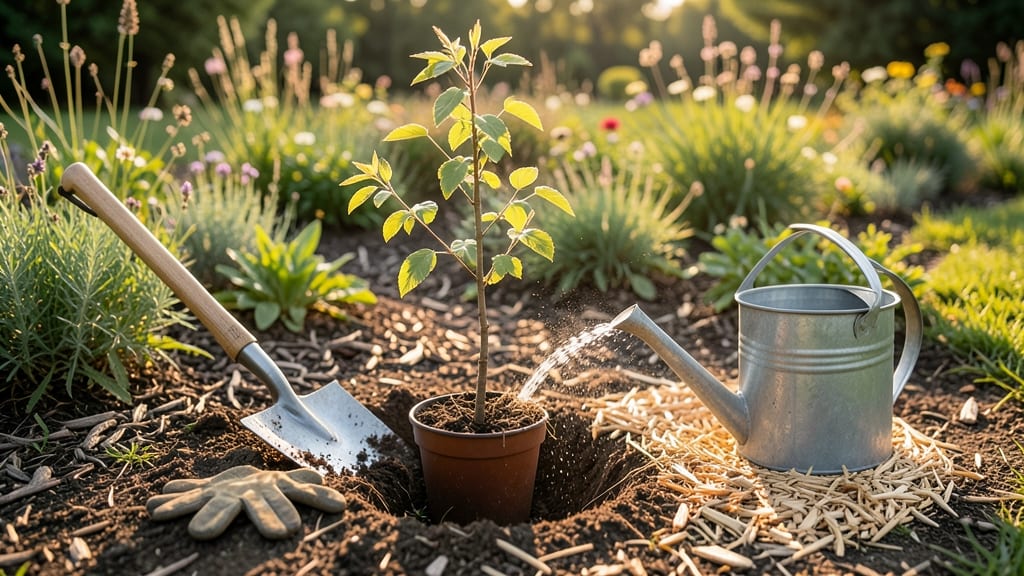
The best time to plant a tree in Colorado is late winter to early spring or early fall 🌳—when soil temperatures are cool and moisture levels are ideal for root growth.
Planting a tree in Colorado isn’t just about timing—it’s about survival. With harsh winters and unpredictable weather, choosing the wrong season can mean the difference between a thriving canopy and a lost investment.
Fall (September–October) is the best window because the ground stays warm while cooler air reduces stress on the tree. Spring (March–May) works for fast-growing species, but you’ll need to watch for late frosts that can damage tender new shoots.
Below, I’ll break down the exact months for your region, how to prep the soil for Colorado’s 5-7 USDA zones, and the one mistake that kills 90% of newly planted trees—even in ideal conditions.
Colorado’s ideal tree planting seasons: why fall dominates survival rates
If you’re planting a tree in Colorado, the fall season (September–November) offers the best chance for survival—especially compared to spring. The cooler temperatures and increased soil moisture create perfect conditions for root establishment before winter dormancy.
This is why 70% of successful tree plantings in Colorado happen in fall, according to Colorado State University Extension.
Colorado’s Front Range and Western Slope have different microclimates, but both benefit from fall planting. The Front Range (Denver, Boulder) sees soil temperatures drop to ideal levels by late September, while the Western Slope (Grand Junction, Durango) can extend planting into early November due to later frost dates.
Here’s why fall outperforms spring: reduced transplant shock, better moisture retention, and time for roots to harden before winter. Spring plantings often struggle with rapid evaporation and limited soil moisture, leading to higher mortality rates.
🌱
| Factor | Fall Planting (Sept–Nov) | Spring Planting (Mar–May) |
|---|---|---|
| Soil Temperature | 50–60°F (ideal for root growth) | 40–50°F (cooler, slower growth) |
| Moisture Retention | Higher (cooler air = less evaporation) | Lower (warmer air = faster drying) |
| Root Development | 6–8 weeks before dormancy | 4–6 weeks before heat stress |
| Transplant Shock Risk | Low (tree enters dormancy naturally) | High (rapid growth demands water) |
| Survival Rate (Colorado Avg) | 70–85% | 40–60% |
Data sourced from Colorado State University Extension and local nurseries.
The Front Range’s USDA Zones 5–7 experience earlier frost (mid-October), so aim to plant by late September. In contrast, the Western Slope’s Zone 6–7 can handle later plantings due to warmer microclimates and delayed frost.
For bare-root trees, fall planting is ideal because the roots establish quickly before winter. Container-grown trees also thrive in fall, as they adapt to cooler soil without shock. The key is to plant 4–6 weeks before the first expected frost to allow root growth.
One common mistake is waiting until November—by then, the ground may freeze, stalling root development. Instead, prioritize September–early October for the best results. Even evergreens, like Colorado blue spruce, benefit from fall planting because their roots grow even in cooler weather.
🌿
If you’re in high-altitude areas (e.g., 10,000+ ft), like the Rocky Mountain National Park region, adjust your timeline. These zones have shorter growing seasons, so focus on late August–early September to avoid early frost.
For fast-growing species like cottonwoods or willows, spring can work, but they still face higher stress due to drought conditions. Fall planting ensures consistent moisture and reduced competition from weeds, giving your tree the best start.
🪴
Spring planting in Colorado: high-risk strategies for specific tree species
Spring planting in Colorado is a high-risk, high-reward strategy that can work for fast-growing species like willows or cottonwoods. Unlike fall planting, spring offers a shorter window but can be ideal for trees that thrive with rapid root establishment before summer heat sets in.
The key is timing—aim for March to early May when soil temperatures rise above 40°F but before bud break in most species.
In Denver and Boulder, where frost dates linger until mid-April, focus on bare-root trees planted in March. Rural areas with higher elevations (like Fort Collins or Steamboat Springs) may need to wait until late April to avoid late frosts damaging tender new growth.
The Western Slope (e.g., Grand Junction) can plant earlier, often by February, due to milder winters.
Spring Planting in Colorado: Pros & Cons
✅ Pros
- Faster growth in fast-growing species
- Longer growing season for root establishment
- Easier soil work when ground isn’t frozen
- Ideal for bare-root trees before bud break
⚠️ Cons
- Transplant shock risk from summer heat
- Limited water supply during drought months
- Late frosts can damage new growth
- Competition with weeds increases in spring
If you choose spring planting, prioritize moisture-loving species like weeping willows, cottonwoods, or silver maples. These trees establish roots quickly, giving them a better chance to survive Colorado’s dry summers. Avoid planting oak or pine species in spring—they’re better suited for fall to minimize stress.
One critical mistake is overwatering in spring. Colorado’s clay-heavy soils in Denver can become waterlogged, suffocating roots. Instead, water deeply but infrequently—aim for 10-15 gallons per tree every 7-10 days once established. Mulch heavily (3-4 inches) to retain moisture and regulate soil temperature.
For urban areas like Denver or Boulder, consider container-grown trees planted in late April. Their established root systems handle transplant shock better than bare-root options.
In rural or high-altitude zones, wait until after the last frost (usually late May) and choose drought-tolerant species like Russian olive or chokecherry.
Monitor your tree closely for signs of stress like yellowing leaves or wilting. If planted in spring, expect slower initial growth as the tree adjusts to its new environment. By mid-summer, healthy roots should be established, setting the stage for robust growth in subsequent years.