
Container Gardens
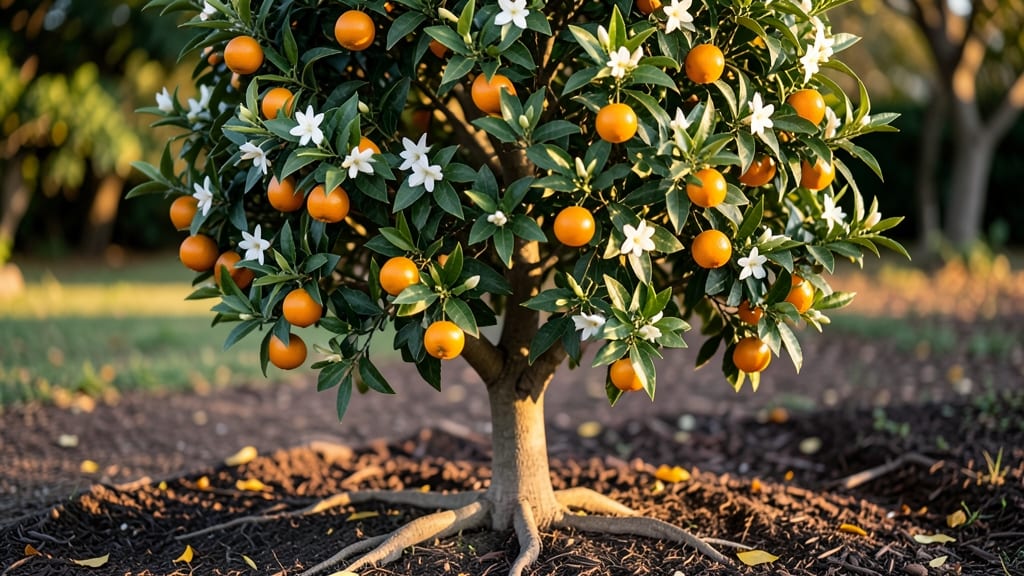
Your orange tree’s growing season begins when daytime highs hit 60°F—that’s the magic threshold for planting in cooler zones. 🌱 I’ve learned the hard way that timing matters: plant too early, and frost will nip your saplings; too late, and roots struggle to establish before winter.
The growing season isn’t just about warmth—it’s about matching your tree’s needs to your climate’s rhythm. In frost-free zones (like Florida or California), you can plant year-round, but fall through early spring gives roots time to settle before summer heat. Cooler climates?
Aim for late spring, after the last frost but before summer’s brutal sun. Your tree will reward you with blossoms in spring, fruit by fall, and a dormant winter—if you’re lucky enough to have one.
By mid-summer, you’ll spot those first bright orange flowers (and maybe a few bees buzzing around). Prune lightly after harvest to shape the tree and encourage next year’s crop. The key is consistency: water deeply but infrequently, fertilize in early spring, and protect young trees from winter’s chill.
Whether you’re in a tropical paradise or a chilly suburb, these seasonal cues will keep your orange tree thriving. The payoff? Homegrown oranges so sweet they’ll make store-bought taste like cardboard. Now, let’s get that tree in the ground!
📚 In This Guide
- What you need
- Instructions
- Tips and common mistakes
- Wrapping up and next steps
What you need
- ● Orange tree sapling or bare-root tree: Choose a Citrus × sinensis variety (like Valencia or Navel) from a reputable nursery. Size: 1–3 gallons for containers, 5–6 ft tall for in-ground.
- ● Well-draining potting mix: Quantity: 1–3 bags (5–10 lbs each) for containers. Blend: 60% peat/coir, 30% perlite/pumice, 10% compost.
- ● Container (if applicable): Size: 15–25 gallons (18–24" diameter) with drainage holes. Material: Glazed ceramic or heavy-duty plastic.
- ● Citrus fertilizer: Type: Slow-release (10-10-10 or 8-3-9) or liquid (like citrus-specific formulas). Application: Follow label rates (typically every 4–6 weeks during growing season).
- ● Mulch: Type: Wood chips or straw (2–3" layer). Avoid: Fresh grass clippings (can burn roots).
- ● Drip irrigation or hose: Note: Citrus hates soggy roots—water deeply but infrequently (1–2" per week).
- ● Garden trowel or shovel (for planting/transplanting).
- ● Pruning shears (sterilized with rubbing alcohol).
- ● pH test kit (ideal soil pH: 6.0–7.0).
- ● Epsom salt (1 tbsp/month in water for magnesium boost).
- ● Frost cloth or space blanket (for zones below 10a—critical in winter!).
- ● Citrus pest control: Neem oil (for aphids) or horticultural oil (for scale).
- ● Grow lights (LED, 12–14 hrs/day) (if growing indoors).
Step-by-Step guide to managing your orange tree through the growing season
Here's how I keep my citrus thriving from first bloom to final harvest—adjusting for your zone's unique timing.
🌱 Step 1: Spring Flush Growth and First Fertilization
When daytime temperatures consistently reach 60°F, your tree will burst into spring flush—new leaves and shoots appear rapidly. This is your cue to apply a balanced citrus fertilizer (like 6-6-6) at half-strength to avoid burning tender roots. I use 1/4 pound per year of tree age (max 1 pound for mature trees) spread evenly under the canopy.
Water deeply twice weekly until the top 6 inches of soil feel moist—citrus roots need consistent moisture during this growth spurt. Mulch with 2-3 inches of organic material (like wood chips) to retain moisture and regulate soil temperature. Watch for yellowing leaves—this often signals overwatering or nutrient deficiency, not drought.
☀️ Step 2: Summer Bloom Care and Pest Prevention
As temperatures climb into the 80s°F, your tree will produce white blossoms—the precursor to fruit. Prune any water sprouts (vigorous vertical shoots) immediately to redirect energy to blooms. I thin crowded branches to improve airflow, which reduces humidity where fungal diseases like citrus scab thrive.
Start a preventative pest schedule: spray with neem oil every 2 weeks during bloom to deter aphids and scale insects, which suck sap and distort fruit. Avoid heavy watering overhead—drip irrigation at the drip line keeps blossoms dry and prevents fungal infections. You'll see tiny green fruit form within 4-6 weeks after blooming.
💧 Step 3: Mid-Season Fruit Development and Soil Monitoring
When fruit reaches golf-ball size, reduce fertilizer to quarter-strength to prevent bitter pit (a calcium deficiency). Increase watering to 3 times weekly if your zone hasn't seen rain in 10+ days, but always check soil moisture 2 inches down—citrus roots hate soggy conditions. I use a moisture meter for accuracy, especially in Zone 9+, where summer droughts are common.
Watch for fruit drop—this is normal as the tree adjusts to fruit load. However, if more than 50% of small fruit falls, it may signal thrips infestation or underwatering. Apply calcium nitrate (1 tablespoon per gallon of water) monthly to prevent blossom-end rot. Harvest-ready fruit will have thick, glossy skin and easy-to-peel rind by late fall.
⏰ Step 4: Fall Harvest and Winter Preparation
Time your harvest by climate zone: Zone 7-8 trees yield in October-November, while Zone 9-10 fruit ripens through December-January. Pick when fruit detaches easily with slight twisting—don't wait for leaves to fall. I harvest in morning hours when temperatures are coolest to preserve flavor and reduce bruising.
After harvest, prune dead or diseased branches and crossing limbs to improve next year's airflow. Apply a winter mulch of 4-6 inches (straw or pine needles) to insulate roots in Zone 7 and colder. Reduce watering to once every 2 weeks unless your zone experiences freezing nights—then, water deeply once monthly to prevent root desiccation.
🌿 Step 5: Year-Round Soil Health Maintenance
Test your soil annually in early spring—citrus thrives in slightly acidic to neutral pH (6.0-7.0). Amend with pelletized sulfur if pH rises above 7.5, or lime if below 5.5. I top-dress with compost every 3 months to replenish organic matter, especially in container-grown trees, where nutrients deplete faster.
Monitor for citrus greening disease (a bacterial infection) by checking for yellowing leaves with green veins. If spotted, remove infected branches immediately and dispose of them in the trash (not compost). Healthy trees in Zone 10+ may flower year-round, so adjust your schedule accordingly—blooms can appear anytime temperatures dip below 85°F after a rain.
Tips & tricks for thriving citrus trees through the seasons
Citrus care isn't one-size-fits-all—your tree's needs shift dramatically from spring flush to winter dormancy. Here's how to fine-tune each season for maximum yield.
Seasonal Temperature Awareness: The 60°F threshold in Step 1 isn't just about timing—it's when citrus trees transition from winter dormancy to active growth. I've seen trees in Zone 7 struggle when spring arrives late; if your area averages cooler springs, consider using black plastic mulch to warm soil 2-3 weeks earlier than the natural temperature rise. This jumpstarts growth and prevents that awkward "waiting period" where new shoots appear but roots aren't ready to support them.
Fertilizer Application Precision: That 1/4 pound per year of tree age guideline is your starting point, but real-world conditions demand adjustments. For container-grown trees, I double the fertilizer amount every 3 months because nutrients leach out faster through drainage holes. The key is monitoring leaf color: dark green leaves mean you're good, yellowing between veins means you need more iron (use chelated iron supplements), while purple undersides indicate phosphorus deficiency—add bone meal to correct it.
Pest Prevention Strategy: The 2-week neem oil schedule during bloom works wonders, but here's what nobody tells you: mix your neem oil with a dish soap solution (1 teaspoon per gallon) to help it stick to the leaves better. The soap breaks surface tension, making the spray more effective against aphids and scale. I also time my neem applications for early morning when humidity is high—this gives the oil more time to work before the sun evaporates it. And remember: always test on one branch first—some trees are sensitive to even organic sprays.
Harvest Timing Nuances: That morning harvest recommendation in Step 4 is gold, but the real secret is twisting technique. When you gently twist a ripe orange, it should separate with a clean break at the stem—no tearing of the fruit itself. If you're harvesting for fresh juice, pick when the fruit is still slightly firm; for eating, wait until it yields slightly to gentle pressure. For Zone 9-10 trees, I harvest in staggered batches every 2-3 weeks from December through February to extend the season while maintaining quality.
Pro Tips for Orange Tree Growing Season
- Citrus care isn't one-size-fits-all—your tree's needs shift dramatically from spring flush to winter dormancy.
- Seasonal Temperature Awareness: The 60°F threshold in Step 1 isn't just about timing—it's when citrus trees transition from winter dormancy to active growth.
- Fertilizer Application Precision: That 1/4 pound per year of tree age guideline is your starting point, but real-world conditions demand adjustments.
Frequently asked questions
Got questions about nurturing your orange tree through its growing season? You’re not alone! Here are answers to some of the most common queries—whether you’re a first-time grower or a seasoned citrus enthusiast.
How long does it take for an orange tree to bear fruit after planting?
Most orange trees take 3–5 years to produce fruit from seed, but grafted trees (common in nurseries) can bear fruit in just 1–3 years. Patience is key—focus on proper care (sunlight, water, and soil) to speed up the process! Learn more about grafting.
When is the best time to plant an orange tree in my climate zone?
Timing depends on your zone:
- Cold climates (Zones 9–10): Plant in early spring (after last frost) or fall (6–8 weeks before frost).
- Warm climates (Zones 11+): Plant in late winter or early spring to avoid summer heat stress.
- Container growers: Can plant year-round, but spring is ideal for root establishment.
Why isn’t my orange tree flowering or fruiting?
Common culprits include:
- Insufficient chill hours: Most citrus needs 200–600 hours below 45°F (7°C). If you’re in a warm zone, choose low-chill varieties like ‘Meyer’ or ‘Calamondin.
- Over/under-watering: Too much water drowns roots; too little stresses the tree. Aim for 1–1.5 inches of water weekly.
- Lack of sunlight: Citrus thrives in 6+ hours of direct sun daily. Move potted trees to sunnier spots if needed.
- Nutrient deficiencies: Yellow leaves? Add citrus-specific fertilizer (high in nitrogen early, potassium later).
Can I grow orange trees in containers, and how do I extend their season?
Container-growing is perfect for small spaces or cold zones. Here’s how to maximize your tree’s season:
- Choose the right pot: At least 15–20 gallons for dwarf varieties; ensure drainage holes.
- Move indoors in winter: If temps drop below 25°F (-4°C), bring potted trees inside near a sunny window or under grow lights.
- Prune strategically: Trim in late winter to shape the tree and encourage airflow (but avoid heavy pruning before harvest).
- Refresh soil annually: Repot every 2–3 years with well-draining citrus mix.
What should I do if my orange tree leaves turn yellow or drop?
Yellow leaves are a red flag—here’s a quick troubleshooting table:
| Issue | Likely Cause | Solution |
|---|---|---|
| Yellowing new leaves | Overwatering or poor drainage | Let soil dry between waterings; improve drainage with perlite. |
| Yellowing old leaves | Nitrogen deficiency or pests | Fertilize with balanced citrus food; check for aphids or scale. |
| Leaves curling or sticky | Pests (e.g., spider mites, aphids) | Spray with neem oil or insecticidal soap. |
| Sudden leaf drop | Temperature shock or transplant stress | Acclimate potted trees gradually to outdoor temps; avoid drafts. |
Wrapping up and next steps
Growing an orange tree is a rewarding journey that depends on your climate zone—whether you're in a frost-free paradise or a cooler region. By understanding your orange tree growing season and following the right care steps, you can enjoy a bountiful harvest of sweet, juicy fruit.
Now that you’re armed with the knowledge, it’s time to get your hands dirty and nurture your citrus tree with confidence!
🌱 Next steps:
- Pick your favorite variety (like Valencia or Navel) and order it today!
- Mark your calendar for pruning, fertilizing, and harvest dates based on your zone.
- Join a local gardening group for tips and inspiration—you’ve got this!