
Planting
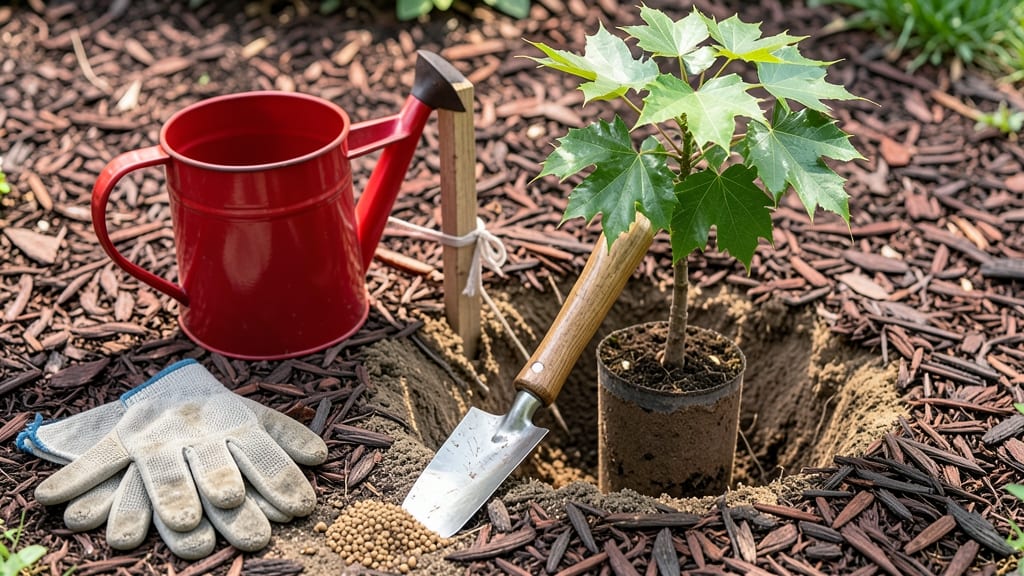
Planting tree seedlings is where deep roots start—do it right, and you’ll have a sturdy, thriving tree in 5-10 years instead of a sad, stunted one. 🌳 I’ve watched seedlings flop over in the wind or dry out because of shallow planting, and the difference between a strong start and a weak one comes down to these three key steps: digging deep, setting the root flare right, and watering like it’s a drought.
The right spot matters just as much as the planting. Trees need 6+ hours of sun (check your yard’s light patterns before you dig), well-draining soil (amend heavy clay with compost), and room to grow—at least 10 feet from sidewalks or structures.
Skip the guesswork: test your soil’s pH and drainage first, or your seedling will struggle from day one. Once planted, water deeply but slowly—no rushing. The soil should settle naturally around the roots, and the top inch should stay damp for the first week or two.
Mulch lightly (2-3 inches) to lock in moisture, but keep it 6 inches away from the trunk to avoid rot. This is where most gardeners mess up: overwatering or smothering the base. Seasonal timing is everything.
Plant bare-root seedlings in early spring or fall (when soil is cool but workable), and container-grown ones anytime the ground isn’t frozen. Give them a head start by staking tall or top-heavy seedlings—just don’t leave the stakes in forever, or the trunk will girdle and weaken over time.
📚 In This Guide
- What you need
- Instructions
- Tips and common mistakes
- Wrapping up and next steps
What you need
- ● Tree seedlings: 1–5 (depending on your planting plan; choose healthy, well-rooted saplings).
- ● Shovel or trowel: 1 medium-sized (for digging holes) or 1 digging bar (for larger trees).
- ● Watering can or hose: 1 with a gentle spray nozzle (or a bucket + watering jug).
- ● Mulch: 2–3 bags (organic options like wood chips, straw, or shredded leaves work best).
- ● Compost or fertilizer: 1 bag (balanced, slow-release formula like 10-10-10 or organic compost).
- ○ Gloves (optional but recommended): 1 pair (to protect hands from dirt and thorns).
- ● Stakes & twine: 1–2 stakes (for young, tall seedlings) + twine to secure.
- ● Pruning shears: 1 pair (to trim dead branches or shape the seedling).
- ● Soil tester kit: 1 (to check pH and nutrient levels before planting).
- ● Tree guard or wire cage: 1 (to protect seedlings from animals or strong winds).
- ● Wheelbarrow: 1 (for hauling mulch, soil, or tools to the planting site).
Step-by-step guide to planting tree seedlings for lasting success
Here's my foolproof method for planting seedlings that grow into strong, healthy trees.
🌱 Step 1: Prepare the Planting Site for Optimal Root Development
Choose a location with 6+ hours of sunlight daily and well-draining soil. Dig a hole twice as wide as the seedling's root ball but only as deep as the root ball itself—planting too deep suffocates the roots. Loosen the sides of the hole with a shovel to encourage root spread into surrounding soil.
For clay-heavy soil, mix in 2-3 inches of compost around the hole's edges. This improves drainage and provides nutrients without overwhelming the young roots. I like to add a handful of bone meal to the bottom of the hole—it boosts phosphorus for strong root growth. Water the hole thoroughly before planting to settle the soil and remove air pockets.
🪴 Step 2: Handle the Seedling Gently and Position Correctly
Remove the seedling from its container and gently loosen any circling roots with your fingers. If the roots are tightly bound, make 2-3 vertical cuts around the root ball to encourage outward growth. Place the seedling in the hole so the top of the root ball sits 1-2 inches above ground level—this prevents stem rot during heavy rains.
Fill the hole with the native soil you removed, tamping down lightly every 2 inches to eliminate air pockets. Avoid compacting too firmly—you want roots to push through easily. Create a 2-inch high berm around the base to catch water during irrigation. Water deeply until moisture reaches 6 inches down, checking with a trowel.
☀️ Step 3: Establish Support and Maintenance Routine
Install a 4-5 foot tall stake next to the seedling, positioning it 3 inches away from the stem. Tie the seedling to the stake using soft fabric strips (never wire)—this prevents stem damage as the tree grows. Mulch the base with 2-3 inches of organic mulch, keeping it 6 inches away from the trunk to prevent rot.
Water 2-3 times weekly for the first month, then taper to once weekly once leaves appear. You'll know watering is adequate when the soil 1 inch below the surface feels slightly moist. Avoid overhead watering after planting—it spreads disease. Instead, water at the base using a soaker hose or drip irrigation for deep, even moisture.
Tips & tricks for planting tree seedlings
Here's what nobody tells you—those little details make all the difference between a thriving tree and one that struggles from the start.
Soil Preparation: When amending clay-heavy soil with 2-3 inches of compost, work it into the sides of the hole—not just the bottom. This creates a nutrient-rich zone where roots will naturally spread outward. I also like to mix in a handful of worm castings with the bone meal at the hole's base—they introduce beneficial microbes that help roots establish faster.
Root Handling: Those 2-3 vertical cuts around tightly bound roots aren't just optional—they're essential for preventing girdling as the tree matures. Use a clean, sharp knife to make clean cuts, and avoid damaging the main root structure. Pro tip: If your seedling has particularly dense roots, soak the root ball in water for 10 minutes before planting to help loosen it gently.
Watering Wisdom: The 6-inch deep watering requirement is non-negotiable, but here's the secret: water slowly over 15-20 minutes to prevent runoff. Use your finger to check moisture at 1 inch down—it should feel like a damp sponge, not a wet towel. Overwatering at planting can suffocate roots just as much as underwatering.
Staking Strategy: Position that 4-5 foot stake on the side where prevailing winds typically come from in your area. For most regions, that's the west or southwest side. Use soft fabric strips (like old T-shirts) rather than wire—they're gentler on growing stems and can be easily adjusted as the tree grows. I've seen too many trees with permanent damage from wire stakes that cut into bark as they thicken.
Pro Tips for Plant Tree Seedlings
- Here's what nobody tells you—those little details make all the difference between a thriving tree and one that struggles from the start.
- Soil Preparation: When amending clay-heavy soil with 2-3 inches of compost, work it into the sides of the hole—not just the bottom.
- Root Handling: Those 2-3 vertical cuts around tightly bound roots aren't just optional—they're essential for preventing girdling as the tree matures.
Frequently asked questions
Got questions about planting tree seedlings? You’re not alone! Here are some of the most common concerns—and their straightforward answers—to help you grow with confidence.
What’s the best time of year to plant tree seedlings?
Plant seedlings in early spring or fall when temperatures are mild (50–70°F). Avoid extreme heat or frost, which can stress young roots. If you must plant in summer, water deeply and mulch to retain moisture. Evergreens and broadleaf trees have slightly different ideal windows—check your local climate zone for specifics!
How often should I water newly planted seedlings?
Water daily for the first 2 weeks, then taper to 2–3 times weekly (depending on weather). The soil should stay moist but not soggy—think "damp sponge," not "mud puddle." Use a drip irrigation system or soaker hose to deliver water slowly at the base. Overwatering can suffocate roots, so always check moisture 1–2 inches below the surface.
Can I plant a tree seedling in a pot instead of the ground?
Yes! If space is limited, use a 5-gallon+ container with drainage holes and well-draining soil. Choose fast-growing species like dwarf fruit trees or ornamental cherries for pots. Repot every 1–2 years and move containers seasonally to mimic outdoor conditions. Just remember: Root-bound trees struggle to thrive long-term, so plan to transplant outdoors within 3–5 years.
What should I do if pests or diseases appear after planting?
Act fast! Inspect leaves/stems for chewed edges (insects) or black spots (fungus). For pests, spray neem oil or insecticidal soap; for disease, prune infected areas and improve airflow. Prevention is key: Mulch to deter weeds, avoid overhead watering, and choose disease-resistant varieties. If problems persist, consult a local nursery for targeted solutions.
How do I protect seedlings from harsh weather?
Use burlap wraps or frost cloth to shield young trees from wind or frost. In summer, provide shade cloth (30–50%) to prevent heat stress. For heavy rain, ensure proper drainage to avoid root rot. Stake tall seedlings if needed, but avoid tying too tightly—roots need room to grow! Monitor weather forecasts and adjust protections as needed.
Still unsure? Drop your question in the comments—we’re happy to help your seedlings (and your green thumb!) thrive!
Wrapping up and next steps
Planting tree seedlings is a rewarding way to contribute to the environment while adding beauty and value to your space. By following these simple steps—preparing the site, planting carefully, and providing ongoing care—you’ll give your young trees the best chance to grow strong and healthy. 🌱✨
Now that you’re ready to take action, why not share your green journey? Tag us in your planting photos or join a local reforestation group to connect with fellow plant enthusiasts. Every seedling makes a difference—let’s grow together!