
Plants
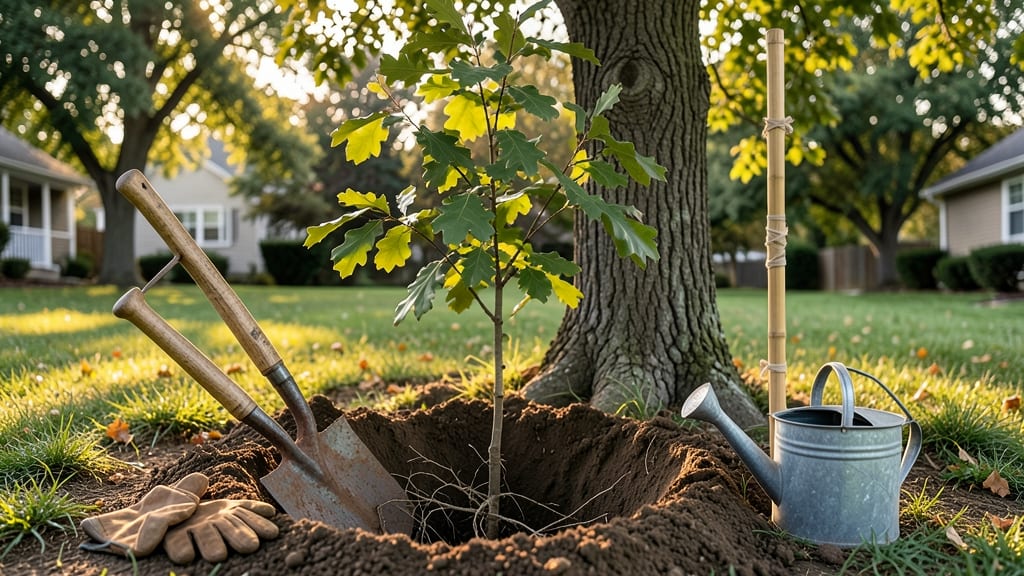
The best time to plant a tree in Texas is during the frost-free window, typically between mid-February and late March in most regions, or October to November for cooler climates like the Panhandle. Avoid extreme heat or cold to ensure root establishment and survival.
Timing matters because Texas's unpredictable weather—from sudden freezes in North Texas to scorching summers—can make or break your tree's survival. 🌳 I've seen firsthand how planting outside these windows often leads to transplant shock, especially for species like live oaks that need consistent moisture.
The key is matching your tree's native growing season with Texas's climate zones, where even a few degrees difference in soil temperature can determine whether roots take hold.
For example, while South Texas's warmer winters allow October-November planting, the Panhandle's colder winters demand waiting until late spring.
Always check your USDA hardiness zone and local frost dates—these are your best guides for avoiding common mistakes like planting too early when frost can still damage tender roots or too late when summer heat dries out young trees.
💡 In This Article
- Texas Tree Planting Seasons: Climate Zones and Frost Risks
- Soil Preparation and Tree Species for Texas Planting Success
Texas tree planting seasons: climate zones and frost risks
Texas's diverse climate creates distinct planting windows based on USDA hardiness zones, which range from Zone 7b in the Panhandle to Zone 10a in South Texas.
The frost-free window—typically mid-February to late March for most regions—aligns with when soil temperatures consistently stay above 55°F, signaling roots can actively grow without frost damage. In cooler zones like North Texas, this window shifts to October-November to avoid winter freezes that can kill young roots.
The science behind this timing involves root zone temperature—roots need 60-70°F soil temps to establish properly.
Below 50°F, root growth halts, and below 32°F, frost can rupture cell membranes, killing the tree. 🌡️ For example, a live oak planted in Zone 8a (Central Texas) during a 40°F snap in February will suffer transplant shock, while the same tree planted in Zone 10a (Houston) in November thrives with mild winter temps.
Local frost dates are your best guide—check the National Weather Service or Texas A&M AgriLife Extension for 32°F frost probabilities. Planting too early risks frost damage, while waiting too late means summer heat dries out young roots before they establish.
For instance, the Panhandle's last frost often occurs around April 15, but planting before March 15 risks cold snaps that can kill tender species like crape myrtles.
Even within Texas, microclimates matter. Urban areas like Dallas (Zone 8a) may have 5°F warmer soil temps than rural areas just 20 miles away due to the "urban heat island" effect. Always verify with a soil thermometer—insert it 6 inches deep for accurate readings.
This precision prevents common mistakes like planting in Zone 9a (San Antonio) during a 28°F January freeze, which happened in 2021 and killed thousands of newly planted trees.
Consider these key factors when choosing your planting window:
- Hardiness Zone: Zones 7-8 (North/Central Texas) plant in spring; Zones 9-10 (South Texas) plant in fall
- Soil Temperature: Wait until soil stays above 55°F for 7+ days
- Tree Species: Native drought-tolerant trees (e.g., cedar elm) handle wider windows than moisture-loving species (e.g., willow oak)
- Water Availability: Summer planting requires deep weekly watering to prevent drought stress
What most people overlook is how rainfall patterns interact with planting times. For example, October-November in Zone 9a brings 30-50% more rainfall than summer months, giving young roots a moisture boost.
Conversely, planting in May-June (common in South Texas) often coincides with 90°F+ temps and drought, forcing daily watering for the first 60 days to prevent wilting.