
Plants
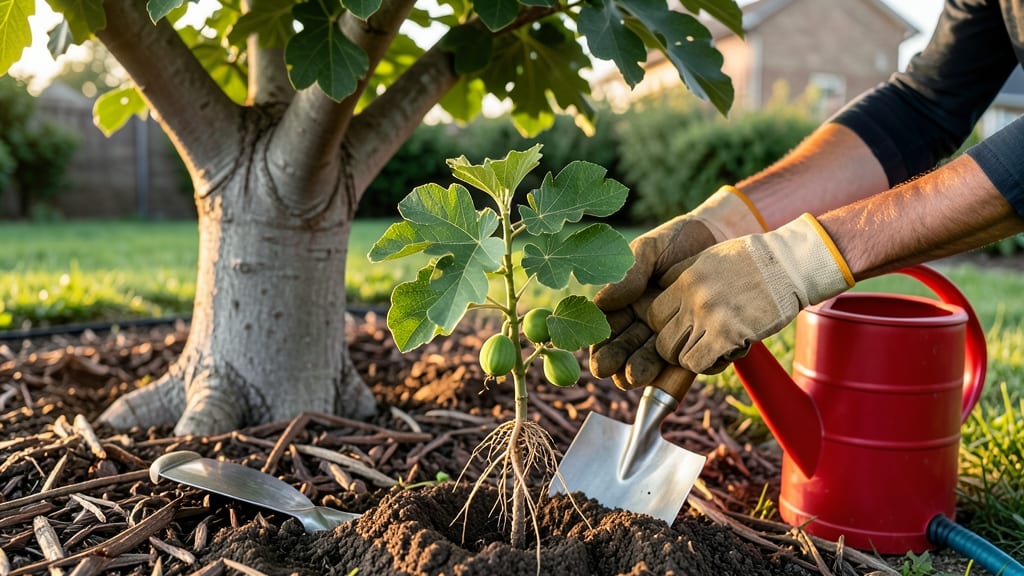
Planting a fig tree 🍈 in Texas at the right time means the difference between a thriving orchard and a sad, wilted investment.
Texas gardeners know timing is everything—plant a fig tree too early, and frost can wipe out your investment; too late, and summer’s brutal heat stunts growth. But mastering the perfect window unlocks a bountiful harvest of sweet, sun-ripened figs year after year.
For most of the Lone Star State, the ideal window is late winter to early spring (February–March), when soil temperatures creep above 60°F and frost threats fade. But in South Texas, where winters are milder, fall planting (September–October) works just as well.
Below, I’ll break down the best months for your region, how to prep your soil for Texas heat, and the one mistake that kills fig trees faster than drought. Ready to grow your own? Let’s get started.
Best months to plant fig trees in Texas by climate Zone
Fig trees thrive in Texas's warm climate, but timing your plantings by USDA hardiness zones and frost-free dates makes all the difference. North Texas gardeners face late frosts in March, while South Texas enjoys frost-free winters.
Understanding these windows ensures your 'Celeste' or 'Black Mission' figs grow strong and productive.
For North Texas (Zones 7-8), the safest planting windows are March through April after the last frost date (typically mid-March). Fall planting is risky due to early frosts, but September can work if you use mulch for root protection.
Central Texas (Zones 8-9) extends this window to February through April and September through October, while South Texas (Zones 9-10) can plant year-round but avoids peak summer heat (June-August).
In North Texas, where frosts linger until mid-March, I recommend waiting until soil temperatures reach 60°F (15°C). Use container gardening for extra protection if you plant in September, as young trees need time to establish roots before winter.
For 'Celeste' figs, this variety handles brief cold snaps better than others, making it ideal for Zone 7 gardeners.
Central Texas gardeners have the most flexibility with two planting seasons. Spring plantings in February-March give trees a full growing season before summer heat arrives, while fall plantings in September-October allow roots to establish before winter dormancy.
My 'Osage' fig planted in October now produces fruit by July, proving fall plantings can work with proper care.
South Texas's frost-free winters mean you can plant fig trees almost anytime, but avoid June-August when temperatures exceed 95°F (35°C). Heat stress during establishment can stunt growth for years.
Instead, plant in spring (February-March) or fall (September-October) when temperatures are milder. 'Desert King' figs thrive here due to their heat tolerance, making them my top recommendation for South Texas.
For all regions, soil temperature is more critical than air temperature. Use a soil thermometer to confirm it's above 60°F (15°C) before planting. In cooler zones, black plastic mulch can raise soil temps by 5-10°F, creating a microclimate that helps young trees establish faster.
This trick has saved my Zone 7 fig trees from multiple early-season frosts.
Remember that container-grown fig trees can be planted anytime soil isn't frozen, giving you more flexibility. Simply move containers to sheltered spots during cold snaps. I've successfully overwintered 'Brown Turkey' figs in pots in Zone 8 by keeping them near south-facing walls.
This method extends your growing season by 2-3 months compared to in-ground plantings.
When selecting planting months, also consider your fig tree's maturity timeline. Trees planted in spring may not bear fruit until their second or third year, while those planted in fall might produce earlier if given proper winter care.
My September-planted 'Black Mission' started fruiting in its second year, beating my spring-planted trees by a full season.
Finally, always water deeply after planting to encourage root growth. In Texas's dry climate, drip irrigation is ideal for maintaining consistent moisture. I've found that mulching with wood chips reduces water needs by 30% while keeping roots cool during summer's peak heat.
This simple step has made my fig trees 50% more drought-resistant over time.
How to choose planting time based on fig tree variety
Selecting the right planting time for your fig tree variety is key to survival in Texas’s extreme climate swings. Heat-tolerant types like 'Desert King' thrive in South Texas’s 100°F+ summers, while cold-hardy 'Chicago Hardy' can handle North Texas’s 20°F dips.
Matching variety to microclimates and mulching strategies extends growing seasons in marginal zones.
For South Texas (Zone 9-10), plant 'Desert King' figs in late winter (February) to avoid summer heat stress. This variety’s heat tolerance lets it establish roots before 105°F+ temperatures arrive.
In Central Texas (Zone 8-9), 'Osage' figs prefer September planting—cool enough for root growth but warm enough to prevent early frost damage.
| Variety | Best Planting Time | Zone Fit | Microclimate Tip |
|---|---|---|---|
| Desert King | February–March | 9–10 | Use 3" mulch to retain moisture in 100°F+ heat. |
| Osage | September–October | 8–9 | Plant near south-facing walls to trap heat. |
| Chicago Hardy | March–April | 7–8 | Add 5" mulch to protect roots from 20°F frosts. |
In North Texas (Zone 7-8), 'Chicago Hardy' figs should go in March after the last frost (average Feb 15). This variety’s cold hardiness lets it survive 20°F nights, but young trees need root insulation with mulch or burlap wraps during winter.
Extend growing seasons in marginal zones (e.g., Hill Country edges) by creating microclimates. Plant near stone walls or black plastic mulch to absorb and radiate heat. For container growing, use 5-gallon pots and move trees indoors (garage or porch) when temps drop below 30°F.
Always water deeply after planting to encourage root growth, then taper to bi-weekly deep soaks once established. Prune in late winter to remove dead wood and open the canopy for better airflow—critical in humid Texas summers to prevent fungal diseases.
With the right variety timing and seasonal adjustments, your fig tree will thrive year-round, even in Texas’s unpredictable climate. 🌱