
Pruning
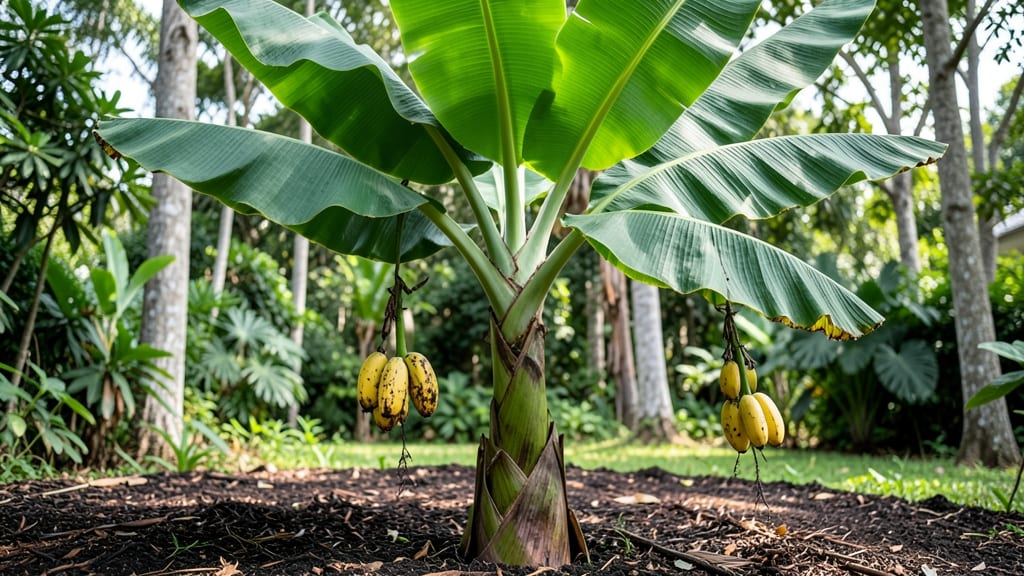
A banana tree is called a Musa plant , specifically belonging to the Musa genus, though it is not a true tree—it’s a large herbaceous plant with a pseudostem. The fruit-bearing variety is most commonly Musa acuminata or hybrids like Musa × paradisiaca for edible bananas.
Botanists classify this plant as Musa because it belongs to the Musa genus, which includes over 70 species. 🌱 The term "tree" is misleading—banana plants are actually giant herbs with a false stem (pseudostem) made of tightly packed leaves.
What we call "banana trees" grow from a rhizome and can reach heights of 15-30 feet, though they don't develop true woody trunks like oak or maple trees.
The most common edible varieties come from Musa acuminata hybrids, which produce the sweet bananas we know, while other species like Musa balbisiana yield cooking bananas or plantains.
Understanding this distinction matters for gardeners and plant enthusiasts. The pseudostem structure explains why these plants grow so quickly—they're essentially layered leaves that store water and nutrients. This also means they're more sensitive to cold than true trees, requiring tropical or subtropical climates to thrive.
If you're growing bananas at home, knowing the specific Musa variety helps determine your plant's care needs, from sunlight requirements to frost tolerance.
💡 In This Article
- Banana Plant Taxonomy: Genus, Species, and Cultivars Explained
- How to Identify and Grow Different Banana Varieties
Banana plant taxonomy: genus, species, and cultivars explained
The Musa genus represents one of the most economically important plant groups globally, with over 70 recognized species. These plants belong to the Musaceae family, which also includes the less common Ensete genus (false banana).
The confusion around the term "tree" stems from their towering height—up to 30 feet—but botanically, they lack true wood and vascular cambium, distinguishing them from trees like oaks or pines. 🌿 Instead, their "trunk" is a pseudostem formed by overlapping leaf sheaths that store water and nutrients, allowing rapid growth rates of 1-2 feet per month under ideal conditions.
The two primary species behind commercial bananas are Musa acuminata (AA genome) and Musa balbisiana (BB genome). Musa acuminata produces the sweet dessert bananas we commonly eat, with cultivars like Cavendish dominating global markets. Meanwhile, Musa balbisiana contributes to plantains and cooking bananas, which are firmer and starchier.
Hybrid varieties like Musa × paradisiaca (AAB genome) combine traits from both species, creating the balanced flavor and texture found in many grocery store bananas. These hybrids often exhibit parthenocarpy—fruit development without fertilization—which explains why seedless bananas are the norm.
What makes banana taxonomy particularly fascinating is the genetic diversity within species. For example, Musa acuminata alone has over 50 wild subspecies, ranging from tiny 1-inch fruits to massive 12-inch specimens.
The Cavendish banana, which makes up 47% of global production, is a clone of a single plant, making it vulnerable to diseases like Panama wilt.
This genetic uniformity highlights why plant breeders are working to develop disease-resistant hybrids that maintain the familiar taste while improving hardiness. 🌱 For gardeners, selecting the right cultivar matters—dessert varieties need consistent warmth, while hardier hybrids like Red Dacca can tolerate slightly cooler climates.
The pseudostem's structure also reveals why these plants have specific care requirements. Unlike true trees, banana plants are monocarpic, meaning they produce fruit once before dying. The energy-intensive flowering process depletes the pseudostem, which then withers away.
This lifecycle explains why commercial growers often remove the flower stalk (a process called dehanding) to redirect energy into fruit production.
Understanding these botanical quirks helps explain why banana plants thrive in tropical climates with 12-15 hours of daylight and why they're sensitive to temperatures below 50°F, which can cause irreversible damage to the pseudostem.
Another key distinction lies in the plant's reproductive strategy. Banana plants reproduce vegetatively through suckers (offshoots from the rhizome) rather than seeds, which is why commercial varieties are propagated clonally. This asexual reproduction maintains consistent traits but also limits genetic diversity.
For home growers, this means you can easily propagate new plants from suckers, though it's important to use certified disease-free material to avoid introducing pathogens like Fusarium wilt.
The ability to grow from small pieces of rhizome also makes bananas accessible for gardeners in warm climates, where they can be grown in containers as small as 15-gallon pots.
When shopping for banana plants, look for labels that specify the genome group (AA, AAB, ABB, etc.), which indicates the species combination. For example, ABB hybrids like Bluggoe produce cooking bananas with thick skins, while AAB hybrids like Lady Finger offer sweeter, smaller fruits.
This level of detail helps explain why some bananas are used for baking (like plantains) while others are best enjoyed fresh.
The next time you peel a banana, remember you're interacting with a plant that's been carefully cultivated over centuries for both its fruit and its versatile pseudostem, which is edible in some cultures when young and tender. 🍌