
Blooming
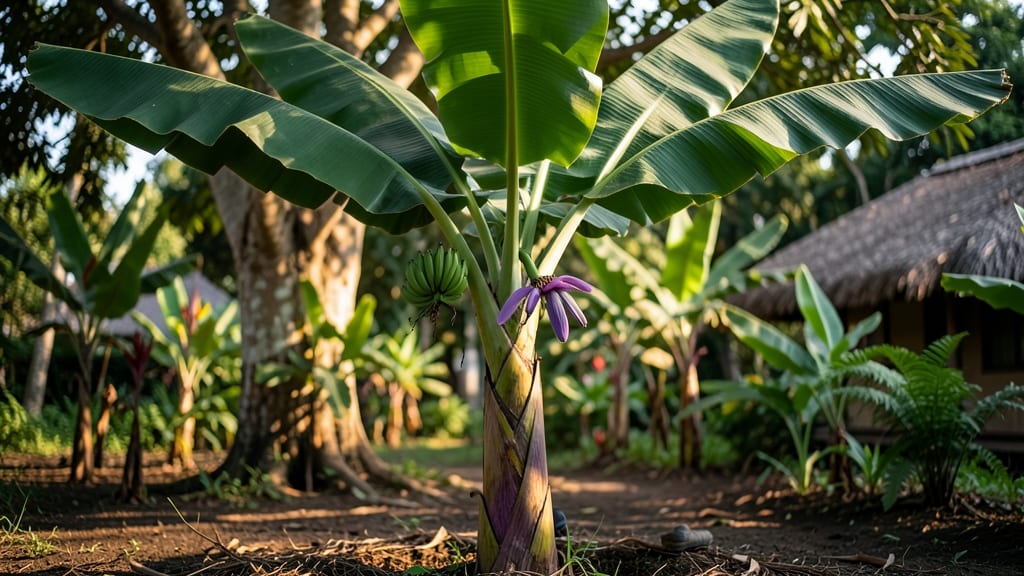
A banana tree 🍌 can fruit in as little as 6 months for dwarf varieties or take up to 2 years for standard types—so patience is key, but not always the only factor.
Waiting for your banana tree to produce fruit can feel like an eternity—especially when tropical sunshine and patience are your only tools. But how long should you wait before expecting those coveted bunches?
The answer depends on the variety, growing conditions, and a few key tricks to speed up the process.
Some varieties, like the fast-growing Lady Finger, may surprise you with fruit in under a year, while others need 12–18 months to mature. The right balance of sunlight, water, and nutrients can shave months off that timeline, turning a "wait-and-see" game into a rewarding harvest.
In this guide, I’ll break down the exact timeline by variety, how to spot readiness, and the simple adjustments that make all the difference between a long wait and a bountiful bunch.
Banana tree fruiting timeline by variety: from planting to harvest
Knowing how long to wait for your banana tree to fruit depends entirely on the variety you're growing. Some varieties like Lady Finger bananas can produce fruit in as little as 9 months, while others, like the towering Red Dacca, may take up to 18 months or longer.
The key difference lies in their maturity rates and growth habits, which we’ll break down for you below.
All banana trees follow a similar growth cycle: from planting to leaf emergence, then to pseudostem development, followed by flowering and finally fruit production. However, the timeline varies dramatically between dwarf varieties (like Dwarf Cavendish) and giant types (like Gros Michel).
Understanding these differences helps you set realistic expectations and adjust your care routine accordingly.
The Dwarf Cavendish is the quickest to fruit, often producing its first bunch within 9–13 months of planting. This makes it a favorite for home gardeners in USDA zones 10–12 who want a faster reward.
Meanwhile, varieties like Gros Michel take nearly 3 years to fruit, which is why they’re more common in large commercial plantations where patience pays off in volume.
If you’re growing Lady Finger bananas, expect a slightly longer wait than Cavendish but still under 15 months. These varieties are prized for their small, sweet fruit and adaptability to container growing, making them perfect for urban gardens.
The Red Dacca, on the other hand, is a slow but rewarding choice, with its striking red skin and large fruit—just be prepared to wait nearly 2 years for your first harvest.
One common misconception is that banana trees fruit annually like many fruit trees. In reality, most varieties produce one main bunch per cycle, followed by a sucker that will eventually replace the mother plant.
This means your first fruit might be a one-time event unless you’re growing in a tropical climate where multiple cycles are possible. Understanding this helps you plan for long-term care and replacement plants.
For container-grown banana trees, fruiting timelines can be delayed by 1–3 months compared to in-ground plants. This is because root space and nutrient availability are limited. To compensate, use a large pot (20+ gallons), enrich the soil with compost and banana-specific fertilizer, and ensure consistent moisture.
These adjustments can help your potted tree reach flowering stage faster.
Temperature also plays a critical role in fruiting speed. Banana trees thrive in 75–85°F conditions and may stall growth if temperatures drop below 60°F or rise above 95°F. In cooler climates, varieties like Blue Java are better suited because they tolerate mild chill better than tropical varieties.
If you’re in USDA zone 9 or below, choose cold-hardy varieties or grow your banana tree in a greenhouse or container that you can move indoors during winter.
Finally, don’t forget that proper care accelerates fruiting. Regular fertilization with potassium-rich feed,
How growing conditions accelerate (or delay) banana tree fruiting
Your banana tree’s fruiting speed isn’t just about luck—it’s a science of temperature, sunlight, and soil health. In ideal conditions, a dwarf Cavendish can fruit in as little as 9–12 months, while standard varieties may take 18–24 months.
But push those conditions too far in either direction, and you’ll face delayed flowering or even no fruit at all. Let’s break down how to optimize each factor for faster, healthier bananas.
The biggest accelerator is consistent warmth. Banana trees thrive in USDA Zones 10–12, where temperatures stay between 75–85°F year-round. Drop below 60°F, and growth stalls completely. Even in warmer climates, cool nights (55°F or lower) trigger dormancy, delaying flowering by months.
If you’re growing in Zone 9 or cooler, use row covers or move potted trees indoors during winter to maintain warmth.
Now, let’s cut to the chase with the critical factors that make or break your banana’s fruiting timeline:
Too little = weak stems, no flowering. Too much (direct afternoon sun) can scorch leaves. Solution: Use 30% shade cloth in peak summer if temps exceed 90°F.
Too acidic (pH <5) locks out nutrients like potassium, critical for flowering. Too alkaline (>7.5) causes magnesium deficiency. Fix it: Add wood ash or sulfur to adjust pH before planting.
Drought stress halts growth; waterlogging rots roots. Rule: Water 1–2 gallons every 2–3 days (daily in 100°F+ heat). Test: Stick your finger 2 inches deep—if dry, water.
Bananas need 3x more potassium than nitrogen for fruiting. Use a 10-10-20 formula every 6 weeks during growing season. Avoid high-nitrogen fertilizers—they promote leaves over fruit.
If your banana tree is taking too long to fruit, start with a soil test—90% of slow growth stems from nutrient imbalances or poor drainage. Amend your soil with compost and sand if it’s heavy clay, and consider mulching with straw to retain moisture and regulate temperature.
For potted trees, repot every 2–3 years to prevent root-bound stress, which directly delays flowering.
One common mistake is over-pruning. Banana trees flower on mature leaves, so never remove more than 10% of the foliage. Instead, focus on supporting the pseudostem—use stakes or cages to prevent it from splitting under fruit weight.
This not only protects your harvest but also speeds up recovery between fruiting cycles. Pro tip: Hand-pollinate flowers with a small brush to ensure fruit set, especially in low-wind environments.
With the right conditions, you can cut fruiting time by 30–50%. Start by mimicking a tropical microclimate: warm soil, consistent moisture, and balanced nutrients. Monitor your tree’s leaf color (yellowing = nutrient deficiency) and growth rate (slow = stress).
When you see those first flower buds emerge, you’ll know you’ve cracked the code! 🍌