
How To
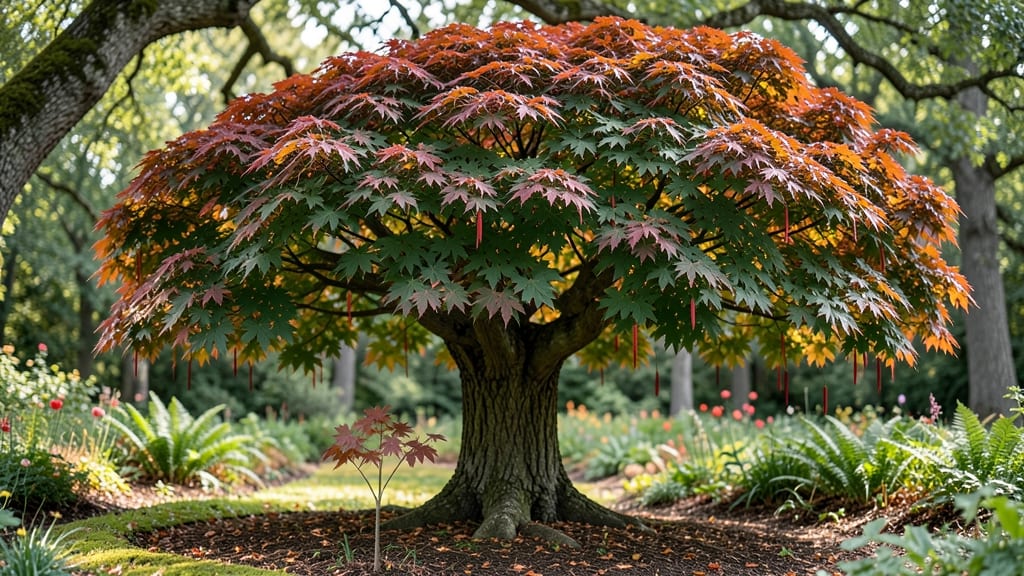
A maple tree can grow how tall does a maple tree grow anywhere from 20 feet to towering 120 feet—depending on the species, your climate, and how much space you’re willing to give it.
Picture this: a sugar maple 🌳 in your front yard, its branches stretching taller than your house by maturity. Or a dwarf variety that stays neatly under 25 feet, perfect for small spaces.
The difference isn’t just in aesthetics—it’s in planning. Plant the wrong type, and you might end up with a tree that outgrows your property lines or requires costly pruning every few years.
Not all maples grow at the same pace, either. Some, like the silver maple, shoot up 3-5 feet per year in ideal conditions, while others, like the Japanese maple, creep along at a more manageable 1-2 feet annually.
Knowing these growth rates—and how factors like soil, sunlight, and pruning shape them—can mean the difference between a stunning centerpiece and a landscaping headache.
Below, I break down the fastest-growing vs. slowest-growing species, how to predict a tree’s future height before planting, and practical tips to keep even the tallest maples in check. Ready to pick the perfect one for your yard?


Maple tree height by species: fastest-growing vs. slowest-growing varieties
Choosing a maple tree for your landscape means balancing beauty with space needs. Some varieties stretch toward the sky like skyscrapers, while others stay compact enough for smaller yards. The sugar maple and red maple are classic giants, but Japanese maples offer delicate, dwarf options.
Your climate and soil also play huge roles in how tall a maple will grow—urban heat islands can stunt growth by 20% compared to rural areas.
Let’s compare 10+ popular maple species by their mature heights, growth rates, and ideal climates. This will help you pick the perfect tree for your property—whether you want shade, fall color, or a low-maintenance specimen. Remember, pruning young trees can influence final height by up to 30% if done correctly.
🌳
| Species | Mature Height (ft) | Growth Rate (ft/year) | Ideal Climate (USDA Zones) | Key Traits |
|---|---|---|---|---|
| Sugar Maple (Acer saccharum) | 75–100 ft | 1–2 ft | 4–8 | Golden fall color; slow-growing; needs well-drained soil |
| Red Maple (Acer rubrum) | 40–60 ft | 2–3 ft | 3–9 | Fastest-growing native; brilliant red fall foliage; tolerates wet soil |
| Silver Maple (Acer saccharinum) | 50–80 ft | 3–4 ft | 3–9 | Fast grower; weak wood; prone to storm damage |
| Japanese Maple (Acer palmatum) | 15–25 ft (dwarf varieties) | 0.5–1 ft | 5–8 | Ornamental; lace-like leaves; slow-growing; loves shade |
| Norway Maple (Acer platanoides) | 50–70 ft | 1.5–2.5 ft | 4–7 | Invasive roots; aggressive spread; glossy leaves |
| Boxelder Maple (Acer negundo) | 30–50 ft | 3–5 ft | 3–9 | Fastest-growing maple; messy seed pods; tolerates urban pollution |
| Autumn Blaze Maple (Acer × freemanii) | 40–50 ft | 2–3 ft | 4–8 | Disease-resistant; vibrant red fall color; compact for its height |
| Paperbark Maple (Acer griseum) | 20–25 ft | 0.5–1 ft | 5–8 | Exfoliating bark; slow-growing; excellent for small yards |
| Snakebark Maple (Acer capillipes) | 25–35 ft | 1–2 ft | 5–8 | Striped bark; slow-growing; great for containers |