
Pruning
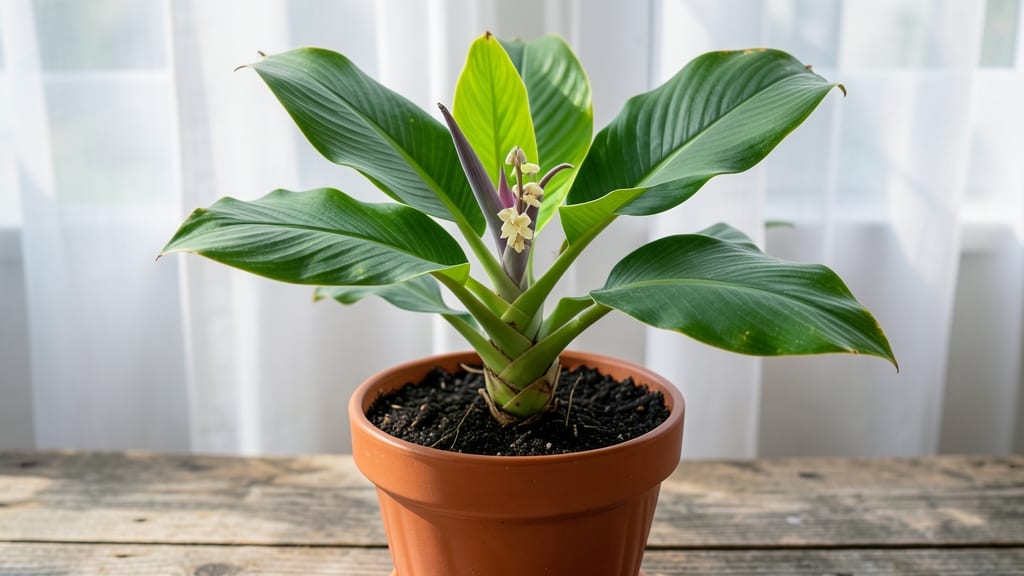
Your dwarf banana tree could reach a height of 8–12 feet—or stay half that size with the right pruning. 🌿 I’ve wrestled with overgrowth in mine, and the difference between a manageable shrub and a jungle comes down to timing and technique.
The key isn’t just cutting branches; it’s understanding how these tropical plants grow and when to intervene.
Most dwarf varieties like ‘Dwarf Cavendish’ or ‘Lady Finger’ naturally grow 6–10 feet, but they send up suckers that can double that height if left unchecked. Pruning isn’t just about height—it’s about directing energy into thicker trunks, more fruit, and bushier foliage.
I’ve found that topping the main stem in early spring (before new growth) keeps them compact while encouraging lateral branches.
By summer, you’ll see the results: a 6-foot-tall (or shorter) tree with a fuller canopy and fewer leggy stems. The trade-off? You’ll sacrifice some fruit production in the first year, but the long-term payoff is a tree that fits your space without dominating it.
Plus, container-grown dwarfs stay even smaller—4–6 feet—if you prune aggressively and use 15–20 gallon pots.
Here’s the catch: dwarf bananas want to grow tall. The real secret is balancing pruning with care—too much cutting weakens the plant, while too little lets it sprawl.
We’ll cover the exact cuts to make and when, so you get the height you want without losing the lush, tropical look you love.
Root Causes of Stunted Growth
Understanding why your dwarf banana tree isn’t reaching its expected height starts with digging deeper—literally. These tropical plants thrive under specific conditions, and when those needs aren’t met, growth stalls or slows dramatically.
Below are the most common culprits behind a dwarf banana tree’s compact (or too compact) stature, explained in clear, actionable terms.
Banana trees are heavy feeders, and their growth hinges on nutrient-rich soil. If your dwarf variety isn’t growing tall, the issue might be lurking underground:
- Lack of Potassium (K): Bananas rely on potassium for robust stem development. Yellowing leaf edges or weak stems are classic signs of deficiency.
Test your soil—ideal levels are 150–250 ppm for potassium. - Nitrogen (N) Imbalance: Too little nitrogen stunts growth entirely, while too much can lead to lush foliage but no height gain.
Aim for a balanced 10-10-10 or 12-12-17 fertilizer ratio. - Compacted or Poor-Draining Soil: Banana roots need aeration and moisture retention without waterlogging. If soil is clay-heavy or lacks organic matter (like compost or coconut coir), roots suffocate, halting upward growth.
💡 Pro Tip: Amend soil with well-rotted manure or banana-specific fertilizer (high in potassium) every 4–6 weeks during the growing season. Mulch with straw or wood chips to retain moisture and regulate temperature.
Dwarf banana trees love sunlight—but not too much of the wrong kind. If your plant is struggling to grow vertically, light (or lack thereof) is often the villain:
- Too Little Sun: Bananas need 6–8 hours of direct sunlight daily to fuel photosynthesis and stem elongation.
Shady spots lead to etoliation—elongated, weak stems that flop instead of standing tall. - Intense Heat Without Shade: While they love sun, afternoon heat waves (especially in zones above 90°F) can scorch leaves, reducing the plant’s ability to photosynthesize efficiently.
A light shade cloth (30–50%) can help in extreme climates. - Indoor Limitations: If growing indoors, grow lights (full-spectrum LEDs) are a must. Place them 6–12 inches above the plant for 12–14 hours/day.
✨ Quick Fix: Rotate your pot quarter-turns weekly to ensure even light exposure. If outdoors, position the tree where it gets morning sun + afternoon shade in hot climates.
Banana trees have thirsty roots but are sensitive to moisture extremes. Overwatering or drought stress can both stunt growth:
- Overwatering: Soggy soil leads to root rot, which cuts off nutrient and water uptake. Signs include yellowing leaves, mushy stems, or a foul smell at the base. - Underwatering: Dry, crumbly soil causes leaf scorch and stunted cell expansion, halting height growth.
Banana trees need 1–2 inches of water weekly (more in heat). - Inconsistent Moisture: Fluctuations stress the plant. Use a moisture meter or the finger test (stick your finger 2 inches into soil—if dry, water).
🔥 Action Step: Water deeply at the base (avoid wetting leaves to prevent fungal issues) and ensure pots have drainage holes. In containers, self-watering systems or drip irrigation can maintain steady moisture.
Dwarf banana trees originate from tropical regions and hate cold snaps. Even slight temperature drops can shock the plant into dormancy or stunted growth:
- Cold Stress: Temperatures below 50°F (10°C) damage leaves and roots, slowing metabolism. Frost kills them instantly. - Heat Stress: While they tolerate heat, prolonged exposure above 95°F (35°C) without shade can cause leaf burn and reduced growth. - Wind Exposure: Strong winds desiccate leaves, reducing photosynthesis.
Use windbreaks or place the tree in a sheltered spot.
🎯 Solution: In cooler climates, grow dwarf bananas in containers and bring them indoors when temps dip below 60°F (15°C). Use row covers or greenhouses for outdoor plants.
If your dwarf banana is potted, root-bound conditions can physically limit its height. Unlike their giant cousins, dwarf varieties still need space to stretch their roots downward before shooting upward.
- Small Pots: Roots that circle the container (root-bound) compete for nutrients and space, stunting vertical growth. A too-small pot (under 18–24 inches in diameter) restricts expansion. - Lack of Depth: Banana roots grow deeply (up to 3 feet in ideal conditions).
Shallow pots limit root penetration, reducing stability and height potential. - No Repotting: Over time, soil depletes nutrients. Repotting every 2–3 years (or when roots emerge from drainage holes) gives the tree a fresh start.
🔧 Fix It: Upgrade to a larger, deeper pot (minimum 20-gallon size) with fresh, well-draining soil. Gently tease out circled roots before repotting to encourage outward growth.
Hidden invaders like nematodes, aphids, or fungal infections sap energy meant for growth. Check for:
- Spider Mites or Scale Insects: These suck sap from leaves, causing yellowing and stunted stems.
Use neem oil or insecticidal soap as a preventative spray. - Fungal Issues (e.g., Sigatoka Leaf Spot): Brown spots on leaves reduce photosynthesis. Remove infected leaves and apply copper fungicide if needed. - Root-Knot Nematodes: Microscopic pests that twist roots, limiting nutrient absorption.
Solarize soil or use marigold companion plants to deter them.
🛡️ Prevention: Inspect leaves weekly for pests. Prune damaged foliage immediately to prevent spread. Rotate crops if growing in the same spot yearly.
Fixing Your Dwarf Banana’s Growth
Dwarf banana trees (Musa spp.) are prized for their compact size, but even the smallest varieties can grow taller than expected if not managed properly. The good news? With the right techniques, you can control their height, encourage bushier growth, and maintain that charming miniaturized look.
Below are practical, step-by-step solutions tailored to the most common causes of unwanted height—plus prevention tips to keep your tree in check for years.
Problem: Waiting until the tree is already too tall (or letting it flower) makes height control harder. Banana trees grow rapidly, and once they start flowering, they’ll focus energy on producing a fruit stalk—often shooting up dramatically.
How to Fix It: ✅ 🔪 Prune Early and Often
- Best time to prune: Early spring or late winter, before new growth starts. This gives the tree time to recover and redirect energy into lateral shoots (which produce more leaves and branches).
- What to cut: Remove any suckers (pups) that are growing taller than 12–18 inches. Use clean, sharp pruners or shears to avoid damaging the main stem.
- How much to trim: Cut suckers back by ⅓ to ½ their height to encourage bushier growth. Avoid cutting into the main trunk unless it’s diseased.
✅ 🌿 Redirect Growth with Sucker Management - If your dwarf banana has multiple suckers, prioritize keeping the lowest, healthiest one as the primary stem.
Remove others at the base to prevent competition. - Pro tip: 💡 If you want a fuller tree, leave 2–3 suckers but prune them aggressively to keep them short.
✅ 🚫 Prevent Flowering (If You Want Compact Growth) - Banana trees flower when they mature, and the flower stalk (pseudostem) can add 3–6 feet of height overnight.
To delay or prevent flowering: - Remove the flower bud as soon as it appears (wear gloves—it’s sticky!). - Reduce nitrogen in fertilizer (too much promotes flowering). Switch to a balanced 10-10-10 or phosphorus-heavy formula (like 5-10-10) to encourage leafy growth over flowering.
Problem: Dwarf bananas in full, hot sun grow taller and leggier as they stretch toward shade. Poor airflow can also weaken the plant, making it more prone to disease and rapid, unchecked growth.
How to Fix It: ✅ 🌳 Provide Partial Shade
- Move your tree to a spot with morning sun and afternoon shade, especially in hot climates. A 30–50% shade cloth works well if you can’t relocate it.
- For container growers: Place the pot in a dappled-light area (under a tree or near a north-facing window).
✅ 💧 Adjust Watering for Compact Growth
- Overwatering leads to weak, stretchy growth. Let the top 1–2 inches of soil dry out between waterings.
- Underwatering stresses the plant, but consistent moisture (not soggy soil) keeps the tree sturdy.
✅ 🌡️ Cool It Down in Summer
- If your climate has scorching summers, mist the leaves occasionally or use a lightweight shade cover to prevent heat stress.
- Pro tip: 🌡️ Mulch the base with 2–3 inches of organic mulch (straw or wood chips) to keep roots cool and retain moisture.
Problem: Fertilizers high in nitrogen (first number in NPK) encourage leafy but leggy growth, making the tree tall and weak. Dwarf bananas need balanced nutrients for compact, sturdy growth.
How to Fix It: ✅ 📊 Switch to a Balanced Fertilizer
- Best options:
- 5-10-10 (moderate phosphorus for root strength)
- 6-6-6 (balanced for overall health)
- Organic options: Fish emulsion, compost tea, or worm castings (lower in nitrogen).
- Avoid: Pure nitrogen fertilizers (like 30-0-0) or lawn fertilizers.
✅ 🍃 Feed in Stages
- Spring (March–April): Light feeding to kickstart growth.
- Summer (June–July): Reduce fertilizer if the tree is flowering or growing too fast.
- Fall/Winter: Stop fertilizing—bananas are dormant in cooler months.
✅ 🥗 Boost Potassium for Stronger Stems
- Potassium (third number in NPK) helps thicken stems and improve disease resistance. Use a banana-specific fertilizer or add wood ash (sparingly) to the soil.
Problem: If your dwarf banana is root-bound or in a too-small pot, it may grow tall and spindly as it searches for space. Bananas need room to spread their roots for compact, bushy growth.
How to Fix It: ✅ 🏺 Upgrade to a Larger Pot
- Minimum pot size: 18–24 inches in diameter (for mature dwarf varieties).
- Drainage is critical: Use a pot with holes and terracotta (which dries faster) to prevent root rot.
✅ 🌱 Refresh the Soil
- Repot every 2–3 years with well-draining mix:
- 60% peat moss or coco coir
- 30% perlite or pumice
- 10% compost or worm castings
- Pro tip: ✨ Add a handful of garden lime (calcium carbonate) to prevent soil acidity, which can stunt growth.
✅ 🌿 Prune Roots if Root-Bound
- If roots are circling the pot, gently tease them apart when repotting. Trim no more than ⅓ of the roots to avoid shocking the plant.
Problem: Aphids, spider mites, or fungal diseases (like sigatoka leaf spot) drain the tree’s energy, leading to weak, stretchy growth. A struggling plant will often grow taller as it tries to reach healthier conditions.
How to Fix It: ✅ 🐜 Treat Pests Immediately
- Aphids/Scale: Spray with neem oil or insecticidal soap (repeat every 5–7 days).
- Spider Mites: Mist the tree daily to increase humidity, then treat with horticultural oil.
- Prevention: 💡 Inspect leaves weekly and remove damaged foliage to prevent spread.
✅ 🌿 Boost Immunity with Fungicides
- Prevent fungal diseases with a copper fungicide spray (like Copper Soap) every 4–6 weeks.
- Improve airflow by pruning crowded leaves or moving the tree to a less humid spot.
✅ 🍄 Remove Infected Leaves
- Burn or discard any yellowing or spotted leaves—never compost them. This stops the spread of disease.
To keep your dwarf banana short, bushy, and healthy, follow this year-round care plan:
| Season | Task | Why It Works |
|---|---|---|
| Spring | Prune suckers, fertilize lightly | Encourages new growth before summer heat. |
| Summer | Monitor for pests, shade if needed | Prevents heat stress and stretching. |
| Fall | Reduce watering, stop fertilizing | Lets the tree rest before winter. |
| Winter | Protect from frost, minimal care | Keeps roots healthy for next year’s growth. |
Final Pro Tip: 🎯 If your dwarf banana still grows too tall, consider dwarf varieties like ‘Dwarf Cavendish’ or ‘Lady Finger’—they’re bred to stay under 6 feet even with minimal pruning!
Frequently asked questions
How tall will my dwarf banana tree grow without pruning?
Most dwarf banana varieties like ‘Dwarf Cavendish’ or ‘Lady Finger’ naturally reach 6–10 feet tall when left unpruned. Without pruning, they’ll focus energy on vertical growth, producing a single tall stem with fewer lateral branches. The key difference from full-size bananas is their thicker trunks and bushier canopies at this height.
Can I keep a dwarf banana tree in a container and still control its height?
Container-grown dwarf bananas typically stay 4–6 feet tall with proper care. Use a 20-gallon pot minimum and prune suckers aggressively. The confined root space naturally limits vertical growth while encouraging bushier foliage. Just ensure the pot has drainage holes and you repot every 2–3 years.
Will pruning my dwarf banana tree reduce fruit production?
Temporary yes, but long-term no. Heavy pruning in the first year may reduce fruit, but it encourages more suckers (pups) that can bear fruit. The trade-off is a shorter, bushier tree with multiple fruiting stems. For best results, prune lightly in spring and avoid cutting into the main trunk unless necessary.
What's the best time of year to prune for height control?
Early spring (before new growth) is ideal. This gives the tree time to recover and redirect energy into lateral branches. Avoid pruning in late summer or fall when the plant is preparing for dormancy. For container plants, you can do light pruning year-round to maintain shape.
How do I know if my dwarf banana is getting too much sun and growing too tall?
Watch for leggy stems and yellowing leaves—classic signs of stretching toward shade. If your tree develops weak, elongated leaves (etoliation) and grows taller than expected, it’s getting too much direct sun. Move it to partial shade (morning sun + afternoon shade) and consider a 30–50% shade cloth in hot climates.