
Pruning
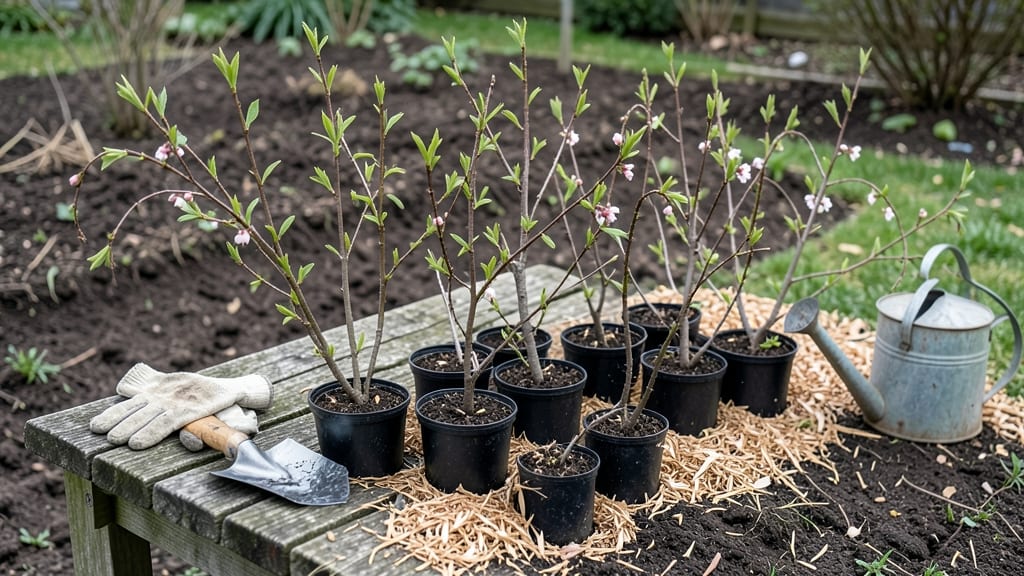
Weeping cherry tree seedlings need their first pruning within weeks of planting to shape those iconic cascading branches. ✨ I’ve watched mine go from awkward sticks to elegant, weeping forms—all by following one simple rule: cut back the strongest upward-growing shoots by one-third right away.
The rest is about patience and letting nature do the work.
Start with full sun and well-draining soil—these trees hate soggy roots. Plant in early spring after the last frost, spacing seedlings 15-20 feet apart so their canopies mature without crowding.
The first year is about establishing roots, not flowers, so skip heavy fertilizing. Just keep the soil moist (not soggy) and mulch to protect those delicate roots.
By summer, you’ll see new growth—this is where the magic happens. Prune again in late spring to remove any shoots growing straight up or outward, always cutting just above a bud that faces where you want growth to go.
Within 2-3 years, you’ll have that classic weeping shape, with branches arching gracefully toward the ground.
Common mistakes? Over-pruning or waiting too long to shape them. And watch for powdery mildew—spray with neem oil if you see white fuzz on leaves. With consistent care, your weeping cherry will become the showstopper of your landscape, its blossoms and foliage creating a living waterfall of color.
📚 In This Guide
- What you need
- Instructions
- Tips and common mistakes
- Wrapping up and next steps
What you need
- ● Weeping cherry tree seedlings (1–3, depending on desired size and spacing)
- ● Pruning shears (sharp, bypass-style, diameter capacity: ¼–½ inch)
- ● Hand pruners (for smaller branches, diameter capacity: up to ⅜ inch)
- ○ Loppers (optional, for thicker branches, diameter capacity: up to 2 inches)
- ● Disinfectant (70% isopropyl alcohol or pruning sealant) (to prevent disease spread)
- ● Garden gloves (cut-resistant, for protection)
- ○ Small pruning saw (optional, for stubborn branches)
- ● Ladder or step stool (if seedlings are tall or hard to reach)
- ○ Pruning paint or wound dressing (optional, for sealing larger cuts)
- ● Trash bag or bucket (for collecting clippings)
- ○ Notebook & pencil (optional, for tracking pruning notes)
- ● Watering can or hose (to hydrate seedlings post-pruning)
- ● Choose a calm, dry day (avoid pruning in wet or windy conditions)
- ● Ensure seedlings are healthy and pest-free before pruning
- ● Research your local climate and cherry tree variety (some prefer dormant-season pruning!)
Instructions for pruning weeping cherry tree seedlings
Here's how to shape your seedlings into elegant, balanced specimens—without sacrificing their natural beauty.
✂️ Step 1: Identify the Central Leader and Main Branches
Start by examining your 4 weeping cherry seedlings for their central leader—the strongest, upright stem growing from the base. This will become your tree's backbone. Look for 3-4 well-spaced primary branches emerging below the leader; these should form the tree's main scaffold. Use your fingers to gently trace each branch's origin point on the trunk—this helps visualize how they'll develop.
Real talk: If a seedling has only one weak branch, don't force it. These trees naturally grow with a single strong leader and cascading limbs. Mark the central leader with a small piece of tape if needed—you'll be making 20-30% of your cuts here, so precision matters.
🌿 Step 2: Prune to Encourage a Natural Weeping Form
Make your first cuts to open the canopy and encourage that signature weeping habit. Remove any suckers (shoots growing from the base) immediately—they compete with your main structure. For the central leader, trim back the top by 1/3 to stimulate lateral branching. You'll see new buds forming below the cut; these will develop into secondary branches that cascade gracefully.
For the primary branches, shorten each by 1/2 to encourage bushier growth. Cut just above an outward-facing bud (about 1/8 inch above) to direct energy outward. Avoid cutting flush with the trunk—this creates wounds that take years to heal. Watch for new growth within 4-6 weeks—this confirms you've stimulated the right response.
✂️ Step 3: Thin Out Crossing or Rubbing Branches
Now focus on selective thinning to prevent branch crowding. Remove any branches growing directly toward another branch or rubbing against it—these will create weak points where bark tears. Use sharp pruners to make clean cuts at the branch collar (the swollen area where the branch meets the trunk). You'll know you're doing it right when the cut surface looks smooth, not jagged.
Here's the thing—weeping cherries develop their signature shape from horizontal branches, so avoid heavy pruning on limbs that already hang naturally. Instead, focus on lightly trimming the tips of these branches by 1-2 inches to encourage more delicate, cascading growth. You'll see the difference in 2-3 growing seasons as the tree matures into its elegant form.
☀️ Step 4: Post-Pruning Care for Healthy Regrowth
After pruning, water deeply to help the tree recover—aim for 1-2 gallons per seedling spread over the root zone. Apply a balanced fertilizer (10-10-10) to support new growth, but hold off until you see new leaf buds swell in spring. Avoid heavy fertilizing immediately after pruning; the tree needs to focus on healing cuts first.
Keep your seedlings in partial shade for the first 2 weeks post-pruning to reduce stress. You'll notice fresh, vibrant leaves emerging from the cut areas—this is your signal that the tree is responding well. If you see yellowing leaves or oozing sap at the pruning sites, the cuts were too severe or made at the wrong angle. Adjust your technique for the next round.
⏰ Step 5: Schedule Annual Maintenance Pruning
Plan to prune your weeping cherries annually in late winter or early spring, just as buds begin to swell. This timing ensures you're shaping the tree before new growth starts. Each year, focus on removing no more than 20% of the tree's foliage—this prevents shock and maintains vigor. You'll gradually refine the weeping form by lightly trimming the tips of horizontal branches and thinning interior growth to improve airflow.
Over time, you'll develop a rhythm with these trees. I like to step back every few years and assess the overall shape—sometimes the most beautiful weeping forms come from doing less, letting nature guide the cascading limbs. The goal isn't perfection; it's creating a tree that looks effortlessly graceful with minimal intervention.
Tips & tricks for pruning weeping cherry seedlings
These subtle adjustments will help you shape your seedlings into stunning, naturally elegant trees without stressing the plants.
Precision Cutting Technique: When making cuts in Step 2 and Step 3, use sharp, clean pruners to avoid tearing the bark. The goal is to make cuts that heal quickly—aim for a smooth surface that angles slightly away from the branch collar. I've found that using a small piece of masking tape around the trunk before pruning helps me visualize exactly where to cut, especially when dealing with the 20-30% reduction on the central leader. This visual guide prevents accidental over-cutting that can weaken the tree's structure.
Seasonal Timing Insight: The instructions mention late winter/early spring pruning, but there's a nuance here: if your climate experiences mild winters, you can prune as late as early spring when buds begin to swell. This timing ensures you're not removing growth that would contribute to the tree's energy reserves. For the 4-6 week growth response mentioned in Step 2, I've noticed that trees pruned in early spring often show new growth slightly faster than those pruned in late winter, especially in warmer regions.
Visual Growth Assessment: After your initial pruning, watch for these visual cues: healthy new growth should appear vibrant green and firm, not yellow or wilted. The 2-3 growing seasons mentioned in Step 3 for seeing results actually starts counting from the first signs of new growth after pruning. I've learned to take progress photos every season—comparing them helps me track how the weeping form develops over time. The key is patience; these trees grow slowly but reward careful shaping with stunning cascading branches.
Pro Tips for Weeping Cherry Tree Seedlings
- These subtle adjustments will help you shape your seedlings into stunning, naturally elegant trees without stressing the plants.
- Precision Cutting Technique: When making cuts in Step 2 and Step 3, use sharp, clean pruners to avoid tearing the bark.
- Seasonal Timing Insight: The instructions mention late winter/early spring pruning, but there's a nuance here: if your climate experiences mild winters, you can prune as late as early spring when buds begin to swell.
Frequently asked questions
Got questions about growing and shaping weeping cherry tree seedlings?
Here are answers to the most common ones to help you nurture your tree with confidence!
When is the best time to plant weeping cherry tree seedlings?
The ideal time to plant weeping cherry seedlings is in early spring (after the last frost) or early fall, when temperatures are mild. This gives roots time to establish before extreme weather. Avoid planting in summer heat or winter frost, as young seedlings are vulnerable to stress.
How often should I prune new growth on weeping cherry seedlings?
Prune young seedlings lightly in early spring (before buds swell) to shape the canopy and remove dead/diseased branches. Avoid heavy pruning—focus on selective trimming (10-15% of growth per year) to encourage graceful, weeping branches. Over-pruning can stress the tree.
Can I grow a weeping cherry tree from a seedling bought at a nursery?
Yes! Nursery seedlings are grafted to ensure the weeping habit and disease resistance. However, if you’re growing from seed, the tree may not develop the classic weeping shape—it could take years (or never) to form. For guaranteed results, stick with grafted seedlings.
Why are my weeping cherry seedlings’ leaves turning yellow or dropping?
Yellowing leaves (chlorosis) often signal overwatering, nutrient deficiency (iron/manganese), or fungal issues. Check soil drainage, adjust watering, and fertilize with a balanced, acidic formula (pH 5.5–6.5). If spots appear, treat with a copper fungicide for early intervention.
How long does it take for a weeping cherry seedling to mature?
Weeping cherries grow slowly—expect 10–15 years for full maturity (20–30 ft tall). Patience is key! Prune lightly in youth to encourage strong structure, and avoid heavy cuts that delay flowering. With care, you’ll enjoy stunning spring blossoms for decades.
Wrapping up and next steps
Growing weeping cherry tree seedlings into stunning, graceful specimens is all about patience, care, and the right pruning techniques.
By following the steps outlined—from selecting the right tools to mastering the art of shaping—you’ll nurture a tree that becomes a breathtaking focal point in your garden. Your efforts will soon bloom into beauty!
Ready to take the next step? Start small:
- 🌱 Observe your seedling’s natural growth patterns before making cuts.
- 📅 Schedule regular pruning sessions during dormancy or early spring.
- 🎨 Experiment with shapes—practice on a few branches first!