
Pests and Diseases
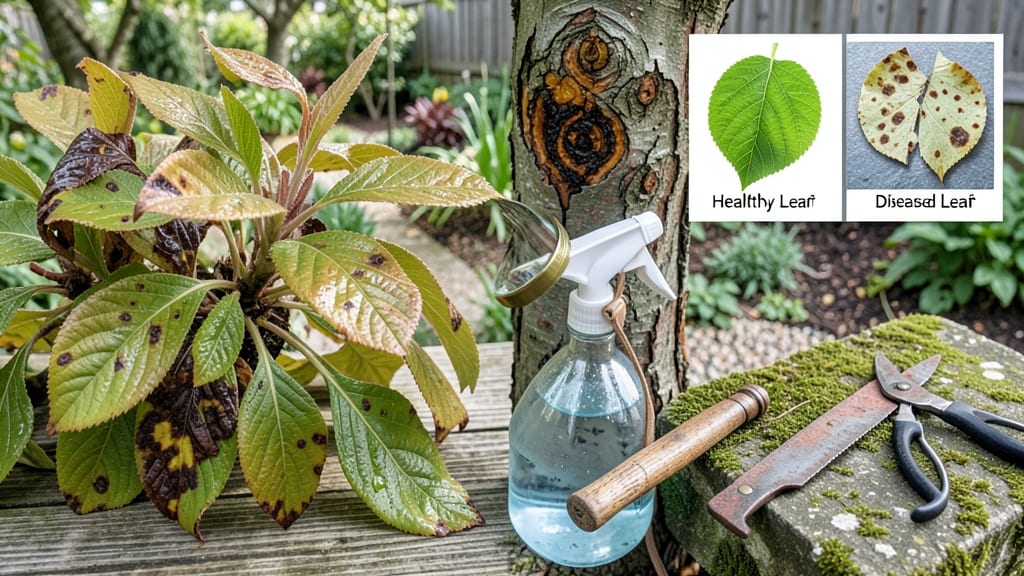
Your weeping cherry tree’s disease could be bacterial canker, powdery mildew, or a fungal infection—and catching it early means saving those stunning spring blooms. ✨ I’ve nursed back multiple trees from blackened cankers and fuzzy white growth by following a simple but critical routine: pruning infected branches, applying the right treatments, and preventing future outbreaks.
The worst part? Many symptoms look like normal stress—wilting leaves, brown spots, or slow growth—until the damage spreads. But here’s the good news: most weeping cherry diseases respond well to organic sprays, proper pruning, and a little vigilance.
Think of it like a checkup for your tree: catch the problem early, and you’ll keep it thriving for decades.
By the end of this guide, you’ll know exactly how to diagnose the issue (yes, even without a microscope), treat it effectively, and protect your tree from future infections. No more guessing—just healthy blooms and strong branches year after year.
Whether you’re dealing with a young sapling or a mature tree, these steps work for all weeping cherry varieties. Let’s get your tree back to its best—and keep it that way.
Root Causes Behind Tree Decline
Weeping cherry trees—known for their stunning cascading blooms—can fall victim to disease due to a mix of biological, environmental, and cultural factors. Understanding why these issues arise is the first step toward prevention and treatment.
Below, we break down the key culprits behind weeping cherry tree decline, from fungal invaders to improper care habits.
Fungi are the most common cause of weeping cherry tree disease, thriving in moist, humid conditions. These pathogens exploit weak spots in the tree’s defenses, leading to leaf spots, cankers, or even systemic infections.
- Black Knot Disease (Apiosporina morbosa)
- How it spreads: Fungal spores overwinter in infected twigs or fallen leaves, then splash onto healthy trees during rain or irrigation.
- Why it takes hold: Cool, wet springs (ideal for spore germination) combined with poor air circulation (e.g., dense foliage or overcrowded plantings) create perfect conditions.
- Actionable insight: Prune infected branches before spores mature (remove and destroy them—don’t compost!). Space trees for airflow and avoid overhead watering.
- Powdery Mildew (Podosphaera spp.)
- How it spreads: Fungal spores land on leaves, forming a white, powdery coating that blocks sunlight and stunts growth.
- Why it thrives: High humidity (60%+), warm nights (60–80°F), and dense canopies trap moisture, fueling rapid spread.
- Actionable insight: Apply neem oil or sulfur-based fungicides during bud break. Thin out branches to improve sunlight penetration.
- Canker Diseases (e.g., Leucostoma or Botryosphaeria)
- How it spreads: Wounds (from pruning, storms, or insect damage) provide entry points for fungal spores, leading to sunken, oozing lesions.
- Why it persists: Weakened trees (due to stress, drought, or poor nutrition) can’t resist infection, and cankers spread inward, girdling branches.
- Actionable insight: Sterilize pruning tools with rubbing alcohol between cuts. Seal wounds with pruning sealant and water deeply during dry spells.
Insects don’t directly cause disease, but their feeding habits create entry points for pathogens or sap-sucking stress that makes trees vulnerable.
- Japanese Beetles & Cherry Borers
- How they harm: Adult beetles skeletonize leaves, while larvae burrow into bark, disrupting nutrient flow.
- Why it matters: Defoliation reduces the tree’s energy reserves, while borer tunnels invite fungal infections like cankers.
- Actionable insight: Handpick beetles early in the day (they’re sluggish then) or use milky spore for long-term control. Treat borer infestations with soil drenches of imidacloprid.
- Scale Insects & Aphids
- How they harm: These sap-suckers excrete honeydew, a sticky residue that fosters sooty mold (a secondary fungal growth).
- Why it spreads: Honeydew traps moisture, creating a damp environment perfect for fungal spores.
- Actionable insight: Blast off pests with a strong water spray or apply horticultural oil in dormant season to smother eggs.
Disease often strikes when trees are already struggling due to external factors. Identifying these triggers can help you adjust care routines.
- Improper Watering
- Why it’s risky: Overwatering leads to root rot (Phytophthora fungi), while drought stress weakens the tree’s immune response.
- Actionable insight: Water deeply but infrequently (1–2 inches per week). Use mulch to retain moisture and improve soil structure.
- Poor Soil Conditions
- Why it matters: Compacted, nutrient-poor, or overly alkaline soil (pH >7.5) limits root growth, making trees susceptible to disease.
- Actionable insight: Test soil pH and amend with sulfur (to lower pH) or lime (to raise it). Add compost to improve drainage and microbial activity.
- Physical Damage
- Why it’s dangerous: Cuts, scrapes, or even lawnmower wounds create entry points for pathogens.
- Actionable insight: Protect young trees with tree guards and avoid compacting soil around the trunk.
Even well-meaning care can backfire if not executed correctly. These common practices invite trouble:
- Over-Pruning or Improper Timing
- Why it fails: Pruning during active growth (spring/summer) stresses the tree, while late-season cuts leave wounds exposed to winter pathogens.
- Actionable insight: Prune in late winter/early spring (dormant season) and avoid removing more than 25% of foliage at once.
- Ignoring Sanitation
- Why it spreads: Leaving fallen leaves, mummified fruit, or infected debris near the tree provides a reservoir for spores.
- Actionable insight: Rake up debris promptly and dispose of it in the trash (not compost). Clean tools with bleach solution (1 part bleach to 9 parts water).
- Planting in High-Risk Zones
- Why it’s risky: Low-lying areas with poor drainage or shade from buildings/walls trap moisture, promoting fungal growth.
- Actionable insight: Choose well-draining sites with at least 6 hours of sunlight. Elevate soil with compost if natural drainage is poor.
Pro Tip: 💡 Keep a tree health journal to track symptoms, treatments, and environmental conditions. Patterns (like disease flaring after heavy rain) can reveal root causes faster than guesswork!
How to Treat and Prevent Tree Ailments
Reviving a struggling weeping cherry tree starts with identifying the root cause—whether it’s fungal infections, bacterial blights, or environmental stressors—and responding with targeted care. Below, we break down practical fixes for common issues, paired with preventive strategies to keep your tree thriving.
Think of this as your step-by-step repair manual for a healthier, happier tree.
Fungal diseases like powdery mildew, canker, or leaf spot thrive in damp conditions. Here’s how to tackle them:
🔥 Remove Infected Areas
- Step 1: Use sterilized pruning shears (wipe with rubbing alcohol or bleach solution) to cut out dead, discolored, or spotted branches—at least 6 inches below the damage to prevent spread.
- Step 2: Dispose of clippings in a sealed trash bag (do not compost).
Fungal spores can linger and reinfect the tree. - Pro Tip: 💡 Prune during dry, sunny days to allow wounds to heal faster.
🍳 Apply Fungicides
- Organic Option: Mix 1 tbsp baking soda + 1 tsp dish soap + 1 gallon water in a spray bottle. Apply every 7–10 days until symptoms fade.
- Chemical Option: Use copper fungicide or neem oil spray (follow label instructions).
Reapply after rain. - ⚠️ Warning: Avoid fungicides with phosphorous acid—they can harm beneficial insects.
🌡️ Improve Airflow and Drainage
- Thin the canopy (remove overcrowded branches) to reduce humidity.
- Mulch properly: Use 2–4 inches of organic mulch (wood chips, bark) but keep it 6 inches away from the trunk to prevent moisture buildup.
- Water at the base (not overhead) to keep leaves dry.
Bacterial diseases (like bacterial leaf spot or canker) spread through wounds and rain splashes. Act fast:
👨🍳 Sterilize Tools and Wounds
- Step 1: Prune infected branches immediately—bacteria spread aggressively.
Seal cuts with pruning sealant (optional but helpful). - Step 2: Disinfect tools between cuts with 10% bleach solution (1 part bleach to 9 parts water). - Pro Tip: 🌡️ Avoid pruning when the tree is wet—bacteria thrive in moisture.
🥘 Use Copper-Based Bactericides
- Spray copper hydroxide (e.g., Kocide 3000) every 2–3 weeks during the growing season.
- Alternative: Hydrogen peroxide spray (3% solution) can help reduce bacterial load (test on a small area first).
🔪 Remove and Destroy Infected Debris
- Bag and trash all pruned material—do not leave it on the ground.
- Burn debris (if local laws allow) or send it to a landfill (not compost).
Poor soil, over/under-watering, or pests weaken trees, making them susceptible to disease. Fix these basics:
💡 Test and Amend Soil
- pH Check: Weeping cherry trees prefer slightly acidic soil (pH 5.5–6.5).
Test with a soil kit and amend with sulfur (to lower pH) or lime (to raise pH) as needed. - Drainage Fix: If soil is compacted, add compost or sand to improve aeration.
🍎 Water Wisely
- Deep Watering: Water 1–2 times per week (1–2 inches per session) at the base, not the leaves.
- Avoid Overhead Watering: Use drip irrigation or a soaker hose to prevent fungal growth.
- 🎯 Pro Tip: Mulch heavily in summer to retain moisture and regulate soil temperature.
🛡️ Pest Control
- Spray with neem oil (mix 2 tbsp per gallon of water) to deter aphids, scale, or mites—common pests that stress trees.
- Introduce beneficial insects like ladybugs or lacewings for natural pest management.
Once your tree recovers, keep it strong with these habits:
| Prevention Step | How to Do It | Best Time |
|---|---|---|
| Prune strategically | Remove dead wood and crossing branches | Late winter/early spring |
| Monitor regularly | Check for spots, wilting, or ooze weekly | Growing season (spring–fall) |
| Fertilize properly | Use balanced fertilizer (10-10-10) in early spring | Before bud break |
| Avoid wounding | Use sharp tools and sterilize cuts | Anytime you prune |
| Plant companions | Add drought-tolerant ground covers (e.g., creeping thyme) to reduce soil-borne diseases | Early spring or fall |
Final Thought: 🌟 A healthy weeping cherry tree is resilient—but it needs consistent care. Start with the fixes above, then stay vigilant with prevention.
With patience and the right approach, your tree can bounce back stronger than ever, ready to dazzle with pink blooms and lush foliage for years to come.
Frequently asked questions
What are the most common signs my weeping cherry tree has a disease?
Look for blackened cankers on branches, white powdery coatings on leaves (powdery mildew), or oozing sores that smell foul (bacterial canker). Yellowing leaves, leaf spots, or sudden wilting are also red flags. Check the undersides of leaves too—some fungal infections start there.
Can I save my weeping cherry tree if it already has black knots?
Yes, but act fast! Prune infected branches 6 inches below the visible knot using sterilized tools, then dispose of them in sealed bags. Apply copper fungicide every 2-3 weeks during growing season. Severe cases may require professional help to prevent spread to healthy branches.
Is powdery mildew contagious to other plants in my garden?
Yes, powdery mildew spores spread easily through wind and water. Isolate infected weeping cherry trees and treat nearby plants with neem oil or baking soda spray (1 tbsp baking soda + 1 tsp soap per gallon of water). Remove all infected leaves immediately to prevent garden-wide outbreaks.
How often should I inspect my weeping cherry tree for diseases?
Check your tree weekly during growing season (spring-fall) and monthly in winter. Focus on new growth areas where diseases often appear first. Early detection gives you the best chance to treat issues before they spread. Keep a simple journal noting any changes in leaf color or branch condition.
Will pruning my weeping cherry tree help prevent diseases?
Proper pruning improves airflow (reducing humidity) and removes dead/diseased wood before spores spread. Prune in late winter when the tree is dormant, using clean, sharp tools. Always sterilize blades between cuts with rubbing alcohol to prevent cross-contamination.