
Pruning
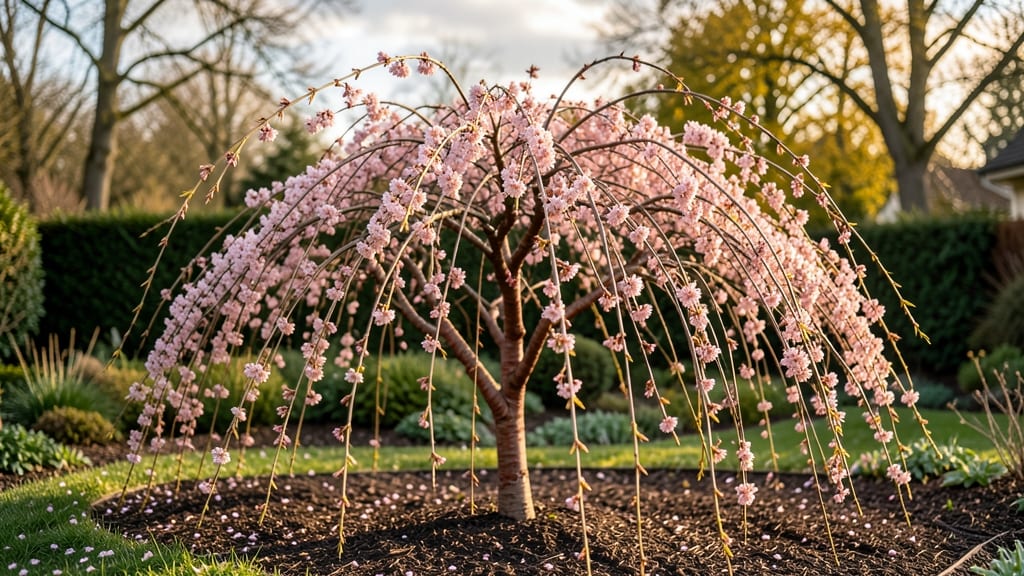
Ohio’s weeping cherry trees (Prunus serrulata 'Pendula') transform spring into a dreamy pink canopy—but only if you prune them right. 🌸 I’ve watched my own tree go from leggy and sparse to a lush, cascading masterpiece by following these Ohio-specific techniques for year-round beauty.
The key starts with late winter pruning (after the worst cold snaps but before buds swell), when you shape the tree to encourage dense branching.
Ohio’s humid summers mean you’ll also need to thin out crowded areas to prevent fungal diseases like powdery mildew—something I learned the hard way after my first summer of sticky leaves. Focus on removing dead, crossing, or weak branches while keeping the natural weeping shape.
By summer’s end, you’ll see vibrant new growth with healthier blooms next spring, plus those iconic pink flower clusters that last weeks longer than unpruned trees. The secret is balancing structure and airflow—too aggressive, and you lose next year’s flowers; too gentle, and the tree gets woody and sparse.
For Ohio gardeners, timing is everything: avoid pruning in fall (invites borers) and never cut into old wood after summer (weakens winter hardiness). Local nurseries like Ohio Prairie Nursery stock disease-resistant cultivars perfect for our climate—worth the extra cost for fewer headaches.
📚 In This Guide
- What you need
- Instructions
- Tips and common mistakes
- Wrapping up and next steps
What you need
- ● Pruning shears: Bypass pruners (sharp, clean, and disinfected with 70% isopropyl alcohol). Size: 6–8 inches for small branches.
- ● Loppers: For branches ½–1.5 inches thick. Quantity: 1 pair.
- ● Pruning saw: For branches 2+ inches thick. Type: Curved blade for smooth cuts.
- ● Gloves: Heavy-duty, cut-resistant (e.g., mechanics’ or pruning gloves).
- ● Disinfectant: 70% isopropyl alcohol or bleach solution (1 part bleach : 9 parts water) to sterilize tools.
- ○ Sealing wax or pruning paint: Optional but recommended for cuts larger than ½ inch to prevent disease.
- ● Ladder or step stool: Sturdy, non-slip (height depends on tree size—8+ feet for mature weeping cherries).
- ● Heavy-duty trash bags: For collecting pruned debris (2–3 bags, depending on tree size).
- ● Safety gear: Safety glasses (to shield from debris).
- ● Long sleeves/pants (to protect from thorns or sap).
- ● Hand pruners (felco): For precision cuts on tiny branches (e.g., shaping delicate weeping limbs).
- ● Pole saw: If your tree has high branches (extendable, 6–10 feet).
- ● Tree wound dressing: Natural options like beeswax or commercial sealants for large cuts.
- ● Notebook & pen: To sketch a pruning plan before you start.
- ● Hose or water spray bottle: To clean tools mid-pruning and rinse sap off cuts.
- ● Weather check: Prune on a dry, calm day (avoid rain for 24 hours before/after).
- ● Tree health assessment: Inspect for diseases (e.g., bacterial canker) or pests before pruning.
- ● Safety brief: Ensure no power lines are near overhanging branches!
- ● Tool sharpening: Hone blades before starting to avoid crushing branches.
Step-by-step guide to pruning weeping cherry trees in Ohio
Ohio’s weeping cherry trees thrive with strategic pruning—here’s how to keep them healthy and stunning year-round.
✂️ Step 1: Prune in Late Winter or Early Spring
Timing matters most for weeping cherries. I always prune between late February and early March when the tree is still dormant but just before buds swell. This prevents stress during the critical spring growth phase. Avoid pruning in fall—it invites disease and weakens the tree’s winter resilience.
Use sharp bypass pruners to make clean cuts at a 45-degree angle just above a bud or branch collar. Never leave stubs—this ensures proper healing and prevents rot. I mark each cut with a white spray paint dot to track progress and avoid over-pruning.
☀️ Step 2: Remove Dead, Diseased, or Crossing Branches
Start by inspecting the canopy for dead wood (no green beneath the bark) or diseased branches (blackened spots, oozing sap). Remove these first—they drain energy from healthy growth. Next, cut out branches that cross or rub against others, as these wounds invite pests and disease.
Weeping cherries have graceful, arching branches, so I prioritize maintaining their natural shape. If a branch grows straight up instead of cascading, trim it back to encourage the tree’s signature weeping form. Thin out crowded areas to improve airflow—this is key for preventing fungal issues common in Ohio’s humid summers.
🌿 Step 3: Lightly Thin the Canopy for Airflow
Weeping cherries need 10-20% of their canopy thinned to promote airflow and sunlight penetration. Focus on the outer branches first, removing smaller limbs that block light from reaching the center. This prevents dense shading, which weakens the tree and reduces flowering.
I use a ratio method: for every 3 branches growing in the same direction, keep the strongest and remove the other two. This maintains the tree’s elegant silhouette while ensuring all parts get adequate light. Avoid heavy pruning—weeping cherries respond poorly to aggressive cuts.
⏰ Step 4: Shape and Maintain Year-Round
After the main pruning, step back and assess the tree’s form. Weeping cherries should have a balanced, layered look with no bare spots. If needed, lightly trim long branches to encourage bushier growth. I avoid heavy shaping—these trees are prized for their natural elegance.
Throughout the year, remove sucker growth (shoots at the base) and water sprouts (fast-growing vertical shoots). These compete with the main branches for nutrients. A quick check every 4-6 weeks keeps the tree tidy and healthy. Mulch with 2-3 inches of organic material (like shredded bark) to retain moisture and protect roots.
💧 Step 5: Post-Pruning Care for Ohio’s Climate
Water deeply once a week for the first month after pruning to help the tree recover. Ohio’s clay soil can dry out quickly, so I monitor the top 2 inches of soil—if it’s dry, it’s time to water. Avoid overhead sprinkling, which can spread fungal spores.
Apply a balanced, slow-release fertilizer in early spring to support new growth. I use a 10-10-10 formula at half strength to avoid overfeeding. Weeping cherries are low-maintenance but appreciate a little extra care during Ohio’s unpredictable springs and summers.
Tips & tricks for pruning weeping cherry trees in Ohio
Perfecting your weeping cherry tree's pruning takes a few key techniques to maintain its signature beauty and health.
Timing Precision: The late February to early March window is non-negotiable for Ohio's climate. This dormant period ensures the tree isn't stressed by spring growth while still allowing you to see dead branches clearly against the winter sky. If you miss this window, wait until late winter when buds begin to swell—never prune in fall, as this invites fungal infections that thrive in Ohio's damp autumns.
The 45-Degree Cut Technique: That precise angle above the branch collar isn't just aesthetic—it's essential for proper healing. Use your bypass pruners to make clean cuts that follow the natural branch contour. If you're unsure where the collar is, look for the slight swelling at the base of the branch where it meets the trunk. The white spray paint trick works wonders for visual tracking, especially when dealing with multiple branches.
Canopy Thinning Strategy: The 10-20% thinning guideline might seem vague, but here's how to apply it: For every cluster of three branches growing in the same direction, remove the two weakest. This maintains the tree's elegant silhouette while ensuring sunlight reaches all parts of the canopy. Focus on outer branches first—they cast the longest shadows that block inner growth. Remember, weeping cherries respond poorly to heavy pruning, so think "light editing" rather than "haircut."
Ohio-Specific Disease Prevention: After pruning, sterilize your tools with rubbing alcohol between cuts to prevent spreading any potential pathogens. Ohio's humid summers create perfect conditions for fungal diseases like powdery mildew and black knot. The mulch layer you'll add should be 2-3 inches thick but kept 6 inches away from the trunk to prevent moisture buildup that encourages rot. Consider adding a layer of arborist wood chips for additional fungal resistance.
Pro Tips for Weeping Cherry Tree Ohio
- Perfecting your weeping cherry tree's pruning takes a few key techniques to maintain its signature beauty and health.
- Timing Precision: The late February to early March window is non-negotiable for Ohio's climate. This dormant period e...
- The 45-Degree Cut Technique: That precise angle above the branch collar isn't just aesthetic—it's essential for prope...
Frequently asked questions
Got questions about growing and maintaining a weeping cherry tree in Ohio? You’re not alone! Here are some of the most common concerns—and their answers—to help you keep your tree thriving year-round.
When is the best time to prune a weeping cherry tree in Ohio?
Prune your weeping cherry tree late winter or early spring (February–March in Ohio) while it’s still dormant but before buds swell. Avoid pruning in fall or summer, as it can stress the tree or invite pests. Pro tip: If you must prune in summer, do it early (June) and remove no more than 25% of the foliage to minimize shock.
How much can I trim off without harming the tree?
For healthy growth, limit pruning to 15–25% of the tree’s canopy per year. Over-pruning weakens the structure and reduces flowering. Focus on removing dead, diseased, or crossing branches first, then shape lightly. Warning: Avoid "topping" (cutting back to a stub)—this encourages weak growth and spoils the weeping form.
Why aren’t my weeping cherry tree’s flowers as vibrant as they used to be?
Dull flowers often signal over-fertilization, poor drainage, or lack of sunlight. Try these fixes:
- Test your soil (Ohio’s clay soil may need amendments like compost).
- Move mulch 3–4 inches away from the trunk to prevent rot.
- Ensure it gets 6+ hours of sun daily—partial shade reduces blooms.
- Fertilize lightly in early spring with a balanced 10-10-10 formula.
Are there Ohio-friendly alternatives if my weeping cherry struggles?
Yes! If you love the weeping shape but want lower-maintenance options, consider:
- Kousa Dogwood (Cornus kousa): Disease-resistant, fragrant white flowers, and vibrant fall color.
- Japanese Maple (Acer palmatum): Drought-tolerant with stunning foliage (e.g., ‘Bloodgood’ or ‘Emperor I’).
- Serviceberry (Amelanchier): Edible berries, spring blooms, and brilliant autumn leaves.
How do I protect my weeping cherry tree from Ohio winters?
Weeping cherries are hardy to Zone 5, but young trees or extreme winters (like Ohio’s polar vortices) may need help:
- Wrap the trunk with tree guard to prevent sunscald and rodent damage.
- Avoid heavy snow buildup—gently brush off branches to prevent breakage.
- Water deeply in late fall (before ground freezes) to reduce winter desiccation.
- Mulch 3–4 inches deep (keep it loose) to insulate roots.
Wrapping up and next steps
The weeping cherry tree in Ohio is a stunning native beauty that rewards your care with vibrant blooms and year-round color—whether it’s delicate spring flowers or fiery autumn foliage. By mastering proper pruning techniques and seasonal maintenance, you’ll keep your tree thriving for decades.
Now that you’re armed with the right tools, timing, and tips, it’s time to roll up your sleeves and transform your landscape!
🌿 Next steps:
- Schedule your first pruning session this spring to encourage healthy growth.
- Join local gardening groups (like Ohio Native Plant Society) for hands-on learning.
- Snap a photo of your tree’s progress and tag us—we’d love to see your weeping cherry masterpiece!